






 Portuguese
  Spanish




Do You Know If The 3-Cylinder Engine Of Your Car Is Really Reliable? Find Out The Models That Cause The Most Headaches For Brazilian Drivers – And What Is The Exception That Delivers Performance And Durability.
The Popularization Of 3-Cylinder Engines In Brazil Brought Advances In Efficiency And Consumption, But Also Revealed Recurring Defects That Can Cost The Driver Dearly. Knowing How To Identify The Weaknesses Of Each Model And Perform Preventive Maintenance Is Essential To Avoid Headaches – Especially When It Comes To Oil Consumption, Oil-Soaked Belt, And Excessive Vibration.
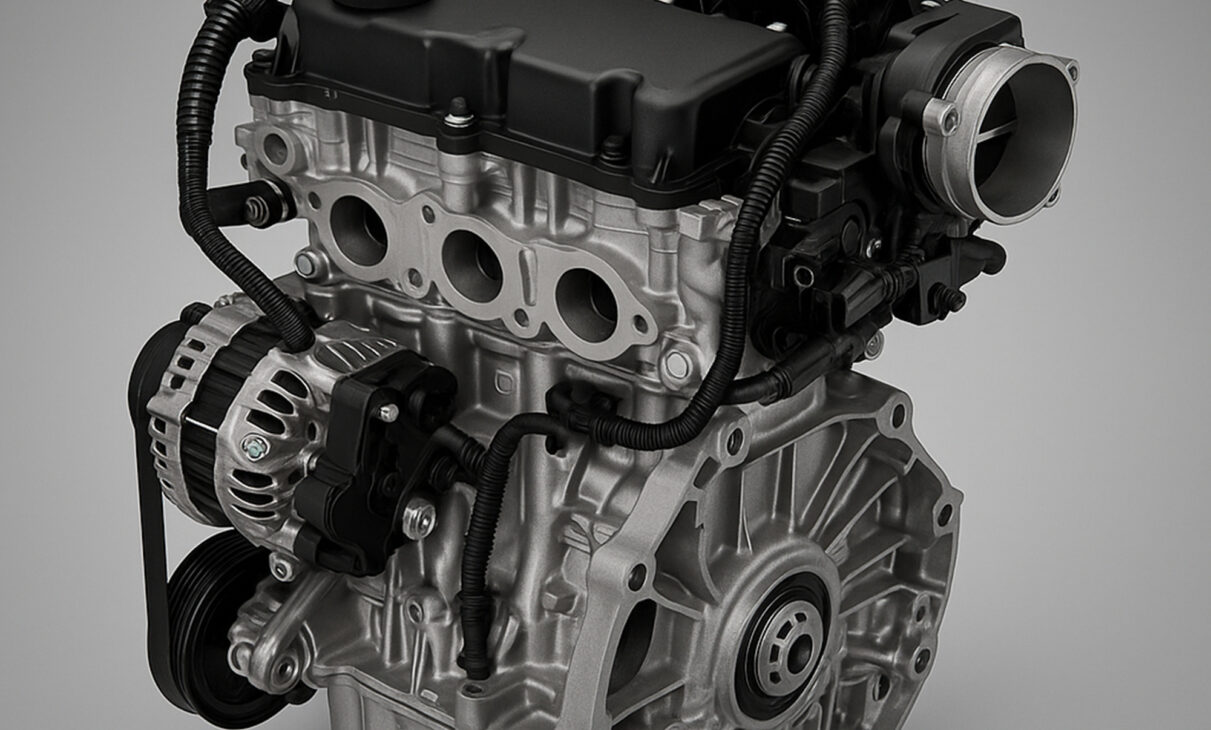
1. Renault SCe 1.0: An Engine That Causes More Problems Than Solutions
The SCe 1.0 From Renault, Present In Models Like Kwid And Sandero, Tops The Negative List. Despite Using A Timing Chain, It Suffers From Premature Wear On The Camshaft Collar, Leading To Axial Play, Strident Noises, And Difficult-To-Diagnose Failures.
Main Defects:
-
Discover the 2021 Fiat Cronos 1.3: Affordable Maintenance, Reliable Mechanics, and Fuel Efficiency of Up to 15.6 km/l

-
Cummins Unveils Hydrogen-Powered X15H Engine with Over 800 km Range and 15-Minute Refueling, Challenging Electric Truck Dominance

-
Chevrolet Onix 2026 Priced at R$ 86,790 with Discounts, Underpricing Citroën C3; Features 1.0 Engine, 6 Airbags, 8″ MyLink, Wi-Fi, and OnStar

-
Fiat Mobi Price Nears $18,000 in Brazil: Entry-Level Hatch with 1.0 Firefly Engine, Manual Transmission, and Stability Control Sees $400 Increase.


- Premature Wear On The Camshaft
- Oil Leaks From The Valve Cover
- Excessive Oil Consumption
- Frequent Ignition Coil Failures
- Intense Vibration Felt In The Body
Alert: It Is Common For The Engine To Consume Oil Even In New Cars, Being “Normalized” By The Manufacturers.
2. Peugeot Puretech: The Clock Pump Of The Oil-Soaked Belt
The Puretech 1.2 Engine From PSA (Peugeot And Citroën) Is Known For Its Economy, But Accumulates Serious Complaints Related To The Oil-Soaked Timing Belt, Which Deteriorates And Can Destroy The Engine.
Recurring Defects:
- Belt That Disintegrates With Low Mileage
- Oil Contamination From Belt Particles
- High Maintenance Complexity
- Need For Specific Tools For Proper Maintenance
- An Error In Replacing The Belt Can Throw The Engine Out Of Time And Require Complete Rework.
3. GM 1.0 Turbo/Naturally Aspirated: Serious Problems Even With Correct Oil
Found In Various Chevrolet Models, This 3-Cylinder Engine Suffers From The Same Issues As The Puretech: Oil-Soaked Belt Prematurely Dissolving And Problems With The Vacuum Pump.
Common Symptoms:
- Belt Disintegrates Prematurely (Even With Proper Maintenance)
- Oil Pickup Clogging
- Brake Pedal Stiffening (Vacuum Pump Failure)
- Abnormal Noises From The Engine
- One Of The 3-Cylinder Engines With The Highest Repair Costs When Internal Failures Occur.
4. Ford 1.0 3 Cylinders (1st Generation): Shaking That Startles
The “Trimilique Engine” From Ford Is Criticized For Extreme Vibration, Which Can Even Dislodge The Battery Pole. Used In Models Like Ka And EcoSport, It Had Its Reputation Tarnished Right At Launch.
Negative Points:
- Excessive Vibration Affecting The Transmission And Wiring
- Ignition Coil And Throttle Body Failures
- Belt Also Dissolves With Incorrect Oil Use
- The First Generation Was Marked By Startling Customers Right Out Of The Dealership Due To Its Vibration.
5. Fiat Firefly 1.0/1.3: Synchronization Problems And Water Pump
Despite Using A Timing Chain (Which Prevents Belt Dissolution), The Firefly Has Its Share Of Headaches: It Easily Jumps Timing If Turned Backward, Causing A Fault Code And Irregular Operation.
Typical Defects:
- Valve Cover Diaphragm Springs A Leak And Causes Failures
- Vibration Destroys Expensive Engine Mounts (Up To R$ 3,000!)
- Water And Oil Mixture Due To Water Pump Failure
- High Oil Consumption
- A Technical Detail: The Engine Can Go Out Of Time Even Without Disassembly – Just Turn It The Wrong Way.
The Best 3-Cylinder Engine Is The EA211 From Volkswagen
Unlike The Ones Mentioned Above, The EA211 From Volkswagen (Found In Polo, Virtus, And T-Cross) Is Praised For Its Reliability, Performance, And Durability. Whether Naturally Aspirated Or Turbo (TSI), It Is Considered One Of The Most Robust Engines On The Market Today.
Positive Points:
- External Belt, Easy To Change
- Low Rate Of Serious Failures
- Works Well With Basic Maintenance
- Direct Injection In TSI Requires Only Periodic Cleaning Of The Valves
And You, What Do You Think Of These Engines?







Se esqueceu de mencionar o motor 3 cilindros kappa da Hyundai, o aspirado é muito bom, só há ressalvas no motor turbo(2016 -2018) que tem falhas recorrentes na bomba de vácuo gerando ruídos e falhas de funcionamento e no TGDI(2019 em diante) que exige cuidados com qualidade do combustível utilizado por conta da injeção direta e recorrentes reclamações de proprietários sobre perda de potência.