






 Portuguese
  Spanish
  2 min of reading
  1 comment


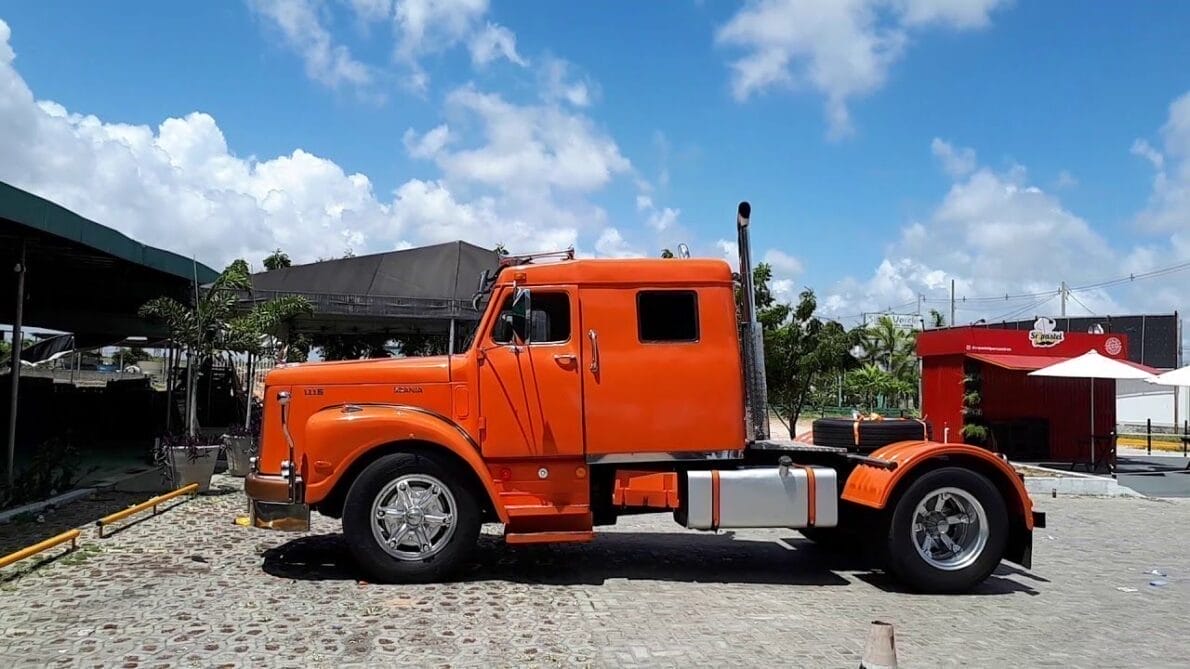

Scania, A Swedish Brand Present On Our Roads Since The 1950s, Launched Several Iconic Models. Today, We Talk About The L Series, Commonly Known As Scania Jacaré, Which Helped To Consolidate The Brand In Brazil.
The Scania Jacaré line Arrived In Brazil Officially In 1957 With The L75 Model. This Truck, With Its D10 Engine Of 165 Horsepower And 63 Kgfm Of Torque, Stood Out For Its Direct Acting Injection Pump, Unlike Its Competitors At The Time. This Innovation Helped Scania Gain Ground In A Market Dominated By Mercedes And Fenemê.
After The L75, Scania Launched The L76 In 1963, Which Came With A More Powerful Engine, The D11, With 195 Horsepower And 76 Kgfm Of Torque. This Model Also Featured A Major Evolution In The Transmission, Increasing From Five To Ten Gears. In 1964, The Models LS 6×2 And LT 6×4 Were Introduced, Further Increasing The Line’s Versatility.
In 1967, The Arrival Of Turbo Engines Increased The Power Of Scania Jacaré Trucks To 275 Horsepower And 108 Kgfm Of Torque


This Made Them The Most Powerful At The Time. These Engines Allowed The Trucks To Tow Three-Axle Trailers, Outperforming Many Rivals, Including Those From Mercedes. The L110 Was Launched In 1969, Followed By The L100 In 1971, A Cheaper Version That Did Not Succeed. In 1975, The L101 And L111 Models Emerged, With Even More Powerful Engines.
-
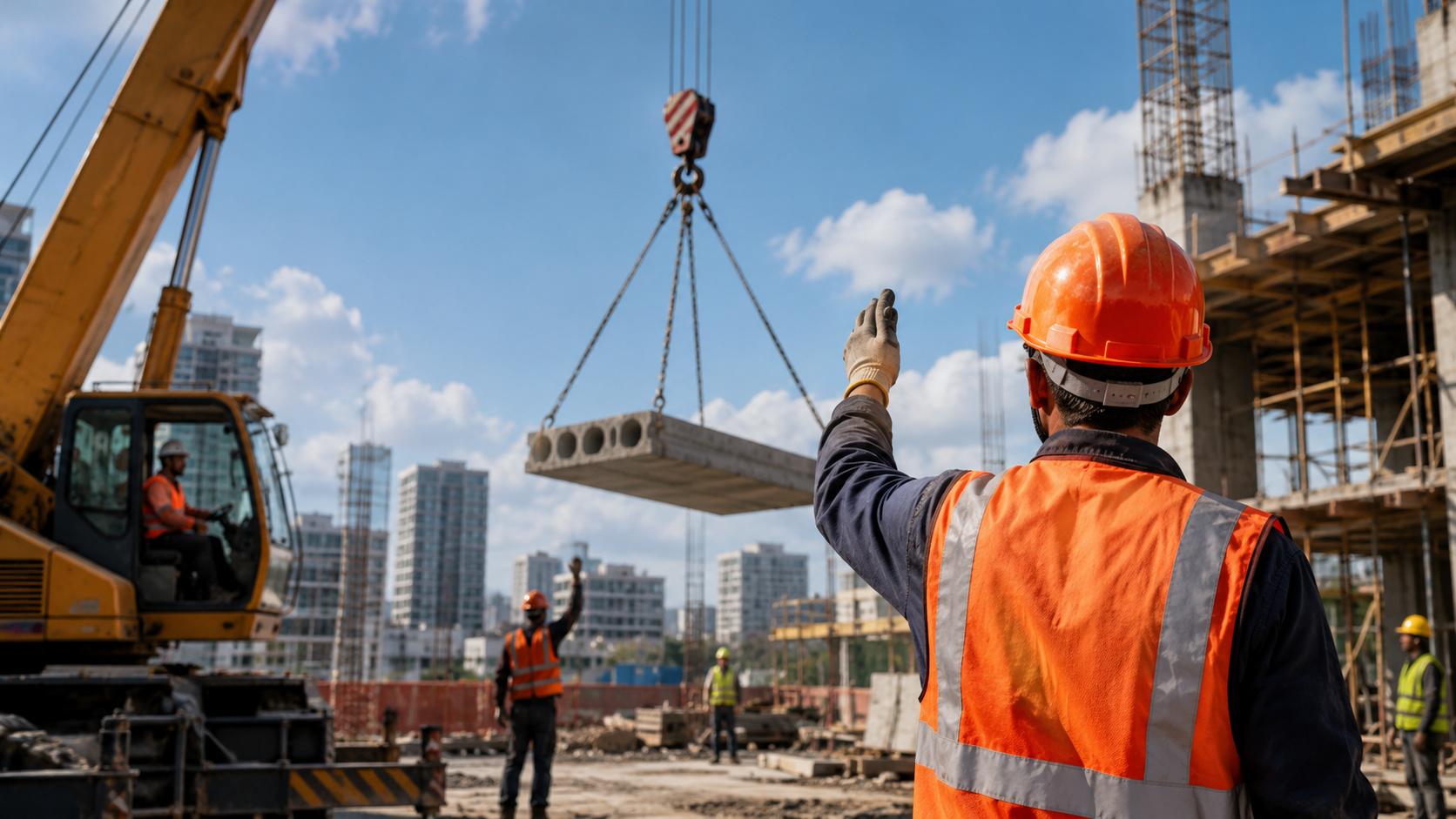
Why can the crane operator only obey the correct signalman on the construction site: among dozens of workers, a hand raised by the wrong person can confuse the maneuver and turn a load of tons into an immediate risk.

-
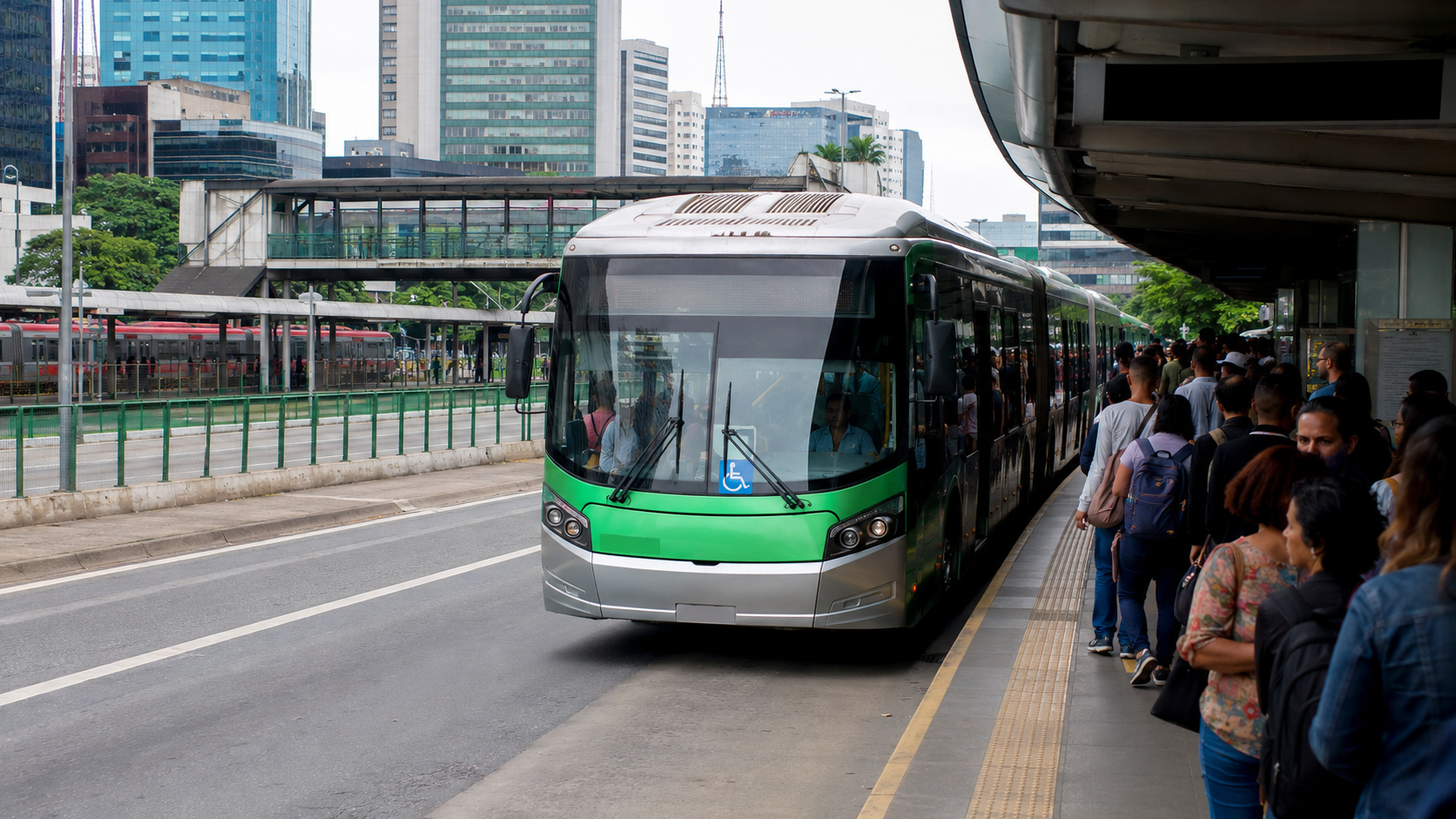
What changes with the new public transportation rules that can reduce pressure on fares and pave the way for zero fare in Brazil?
-
Driver who “holds” the left lane can receive a hefty fine and 4 points on their driver’s license even if they think they are going at the correct speed for the road.
-
São Paulo Government puts R$ 343 million on the table and releases 31 km of duplication, 9.84 km of third lanes, 4 reinforced viaducts, and 8 grade-separated returns.



The Production Of The Jacaré Series Continued Until 1981
When Scania Launched Its Second Series Of Trucks. Even Decades After Its Launch, Many Trucks From The Scania Jacaré Series Can Still Be Found On Brazilian Roads, Testament To Their Durability And Importance In Road History.
For Many, The Best Model Of The Series Was The L111, The Most Complete. The L100, On The Other Hand, Is Viewed As The Least Successful. Regardless Of Opinions, It Is Undeniable That The Scania Jacaré Played A Crucial Role In Scania’s History And In Brazil’s Road Transport, Challenging Big Names Like Mercedes And Leaving A Lasting Legacy.








Só pra corrigir,a caixa de 10 marchas veio só em 1972.