Portuguese
  Spanish


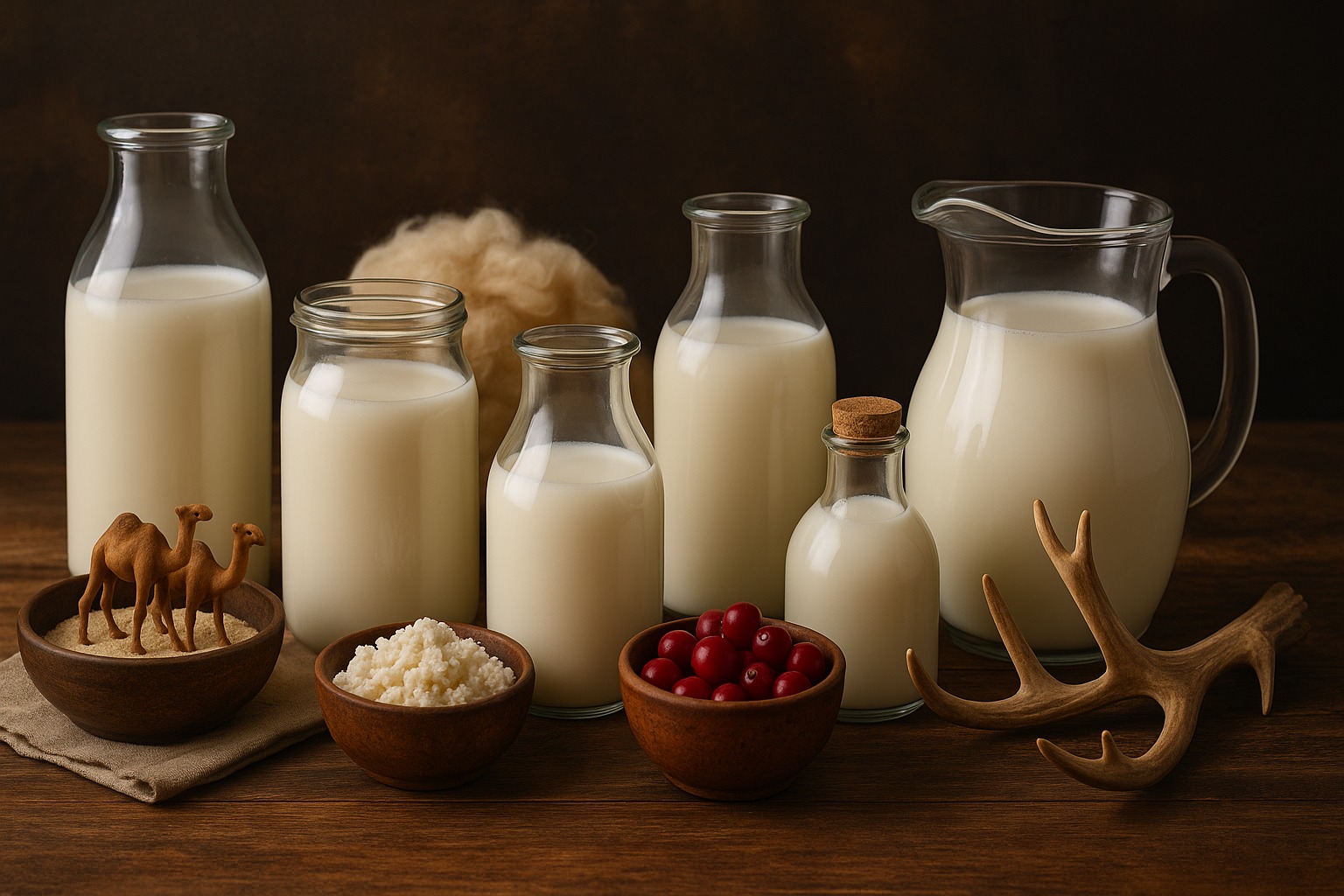


Meet The Rarest And Most Expensive Milk On The Planet, Valuable Products Due To Low Supply, Strong Regional Traditions, And Special Uses Ranging From Luxury Cheeses To Exclusive Chocolates, Attracting Select Niche Consumers
Cow’s milk is widely consumed around the world because it combines familiar taste, convenience, and essential nutrients. It takes a daily place in the diet of billions of people, thus becoming one of the most popular products on the shelves.
In addition, it offers calcium, proteins, and essential vitamins. Despite this, other types of milk attract attention in various countries.
Many are rare, have high prices, and possess cultural or nutritional characteristics that differentiate them from the common.
-
Entrepreneur Turns Rio Cemetery Canteen into a Successful Snack Chain Generating $4.9 Million Annually and Expanding to Metro Stations

-
Rare fox feared “extinct” found alive on Caribbean island after over two decades without official sightings

-
21-Year-Old Brazilian Student Turns Homemade Popsicle Hobby into $100,000-a-Month Business

-
Australia Dumps Hundreds of Thousands of Tons of Gravel into Rivers to Restore Natural Barriers and Reverse 150 Years of Erosion





These alternatives do not arise by chance. They are part of the lives of specific groups and carry valued properties.
Some are similar to human breast milk, while others serve as the base for exclusive foods, such as special chocolates or extremely expensive cheeses.
What Makes These Milks So Valuable
The high price has simple explanations. Production is often difficult, limited, and frequently reliant on animals that do not produce large volumes.
Thus, low supply increases the value. Additionally, niche consumers seek nutritional benefits or distinct flavors, which reinforces demand and keeps these products in the premium market.
Camel Milk
Camel milk is traditional in the Middle East and North Africa. It has gained traction in other regions because it offers iron, calcium, and vitamins B and C in good quantities.
It also has less fat and cholesterol than cow’s milk. According to data from Compre Rural, in Europe, a liter can reach US$ 13.
In Australia, it reaches US$ 15, a price close to R$ 65, making it about 12 times more expensive than regular milk.
Companies like Al Nassma from Dubai use this milk to create gourmet chocolates. This increases the product’s presence and reinforces its image of exclusivity.
Donkey Milk
Donkey milk serves as the base for Pule cheese, considered the most expensive in the world. It is produced in Serbia and can cost up to R$ 15,000 per kilogram.
This high price is linked to the low production of donkeys and the large quantity of milk required to produce the cheese.
In Brazil, investors are already observing opportunities and showing interest in exploring this international market.
Alpaca Milk
Alpaca milk appears as a nutritious alternative. It concentrates proteins, vitamins, and minerals, which raises its value.
Prices vary between R$ 44 and R$ 66 per liter. In gallons, the price can reach R$ 334. Although it is still a novelty for many consumers, the product is already circulating in specialized markets.
Reindeer Milk
Reindeer milk is consumed by communities in northern Eurasia. It stands out for its high fat content and distinct flavor.
Although it has less reach in global trade, it represents an important source of nutrition in these regions.
According to data from Compre Rural, a package of 420 g of powdered reindeer milk can reach around R$ 485.46.
Moose Milk
Moose milk is rare because production occurs only from May to September. Milking happens for about two hours a day, so its supply is extremely limited. This natural scarcity explains the high value in the market.
Although there is no reliable information about the price at which a liter of moose milk is typically sold, it is known that the cheese is among the most expensive, costing up to US$ 500 per pound.
The Relevance Of Exotic Milks
These examples show how cultural, nutritional, and productive factors directly influence the price.
Each type of milk brings its own characteristics and highlights that, beyond cow’s milk, there is a universe of options marked by exclusivity and high added value.
With information from Compre Rural.