Portuguese
  Spanish


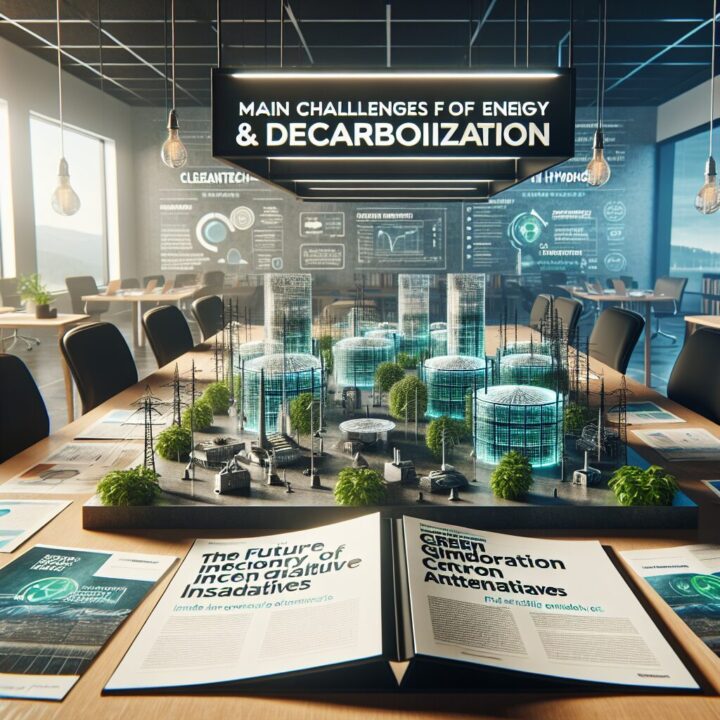

AEVO Launches Report on Decarbonization and Innovation with Focus, Highlighting the Emerging Role of Green Hydrogen and Challenges Faced by Brazilian Cleantechs.
Experts from large national companies highlight the main obstacles faced in the decarbonization of the sector. AEVO, a company recognized for its leadership in innovation management and strategy, has just launched the report ‘The Future of Energy & Decarbonization’, emphasizing the challenges and opportunities for the adoption of sustainable technologies in Brazil.
The report underscores the need to modernize infrastructures to facilitate carbon emission reduction and points the way to carbon neutrality. In this way, the energy transition advances as one of the essential pillars for a greener future. This document offers a comprehensive view of the role of Brazilian cleantechs and the importance of Green Hydrogen as a sustainable alternative.
A detailed study maps out the main challenges and opportunities related to decarbonization in Brazilian industries. The report is the result of interviews with 12 experts from large companies such as ArcelorMittal, Thyssenkrupp, Volkswagen Brazil, Raízen, Grupo Aço Cearense, Copa Energia, and Niterra. These professionals shared their insights on barriers and solutions for a more sustainable future.
-
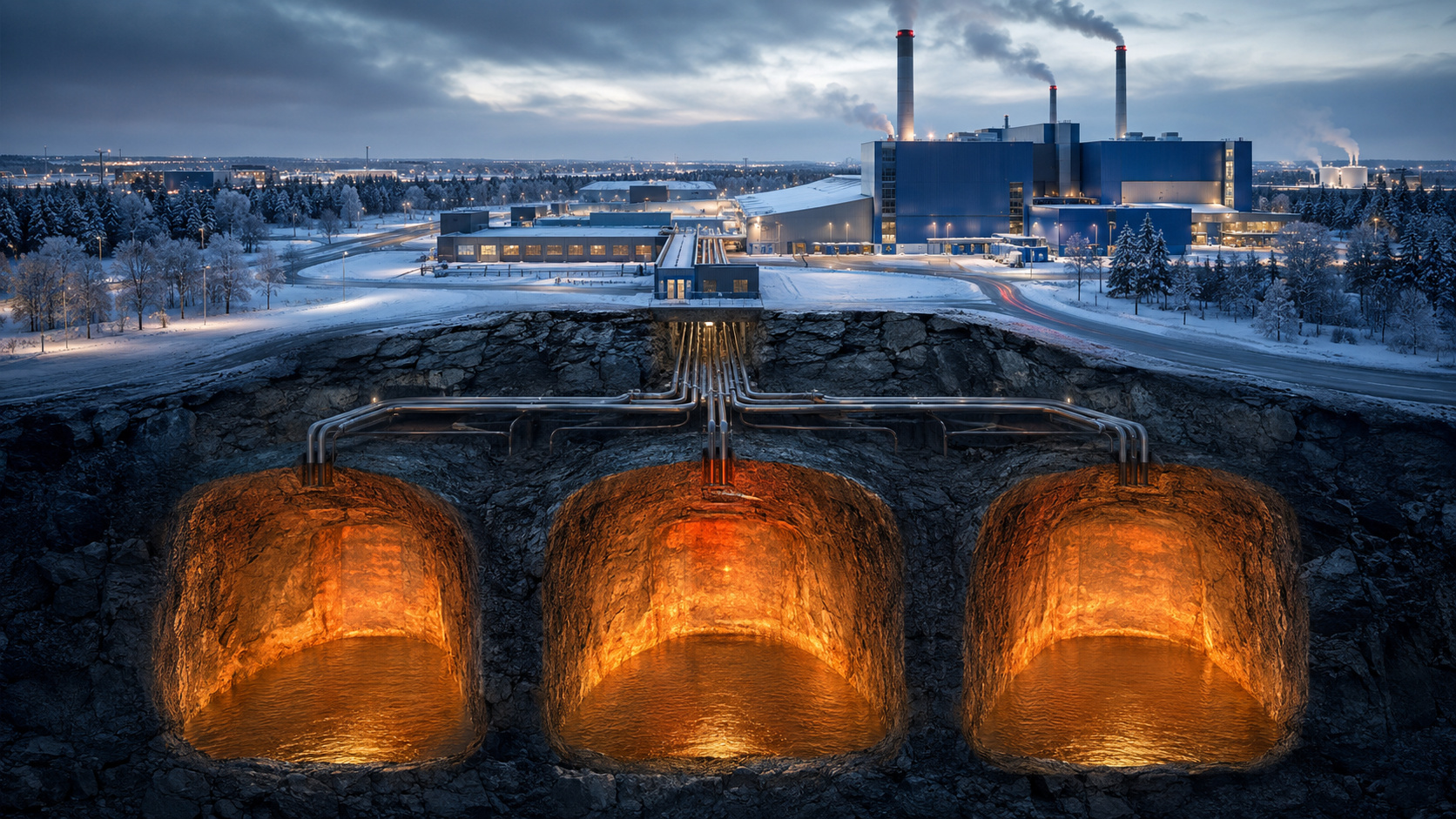
California Project Aims to Store Heat Underground in Former Oil Reservoir to Generate 100 kW of Electricity for Over 12 Hours

-
French Port Harnesses Industrial Waste Heat to Power Up to 30,000 Homes
-
Belgian Port to Install Shore Power for Cruise Ships by 2027, Cutting Dock Emissions by Up to 5% and Meeting EU Regulations
-
Canadian Project Converts Hot Water from Mature Oil Fields into Electricity, Repurposing Existing Wells and Infrastructure




Importance of Carbon Emission Reduction
The impacts of the climate crisis are felt globally, affecting both the production chain of companies and various ecosystems. The implementation of urgent measures to reduce these impacts is essential. We want to promote discussions and share practices that can be adopted by other companies, says Luis Felipe Carvalho, CEO of AEVO.
The report highlights that one of the major challenges mentioned by experts is the difficulty of investing in innovation with focus on the decarbonization agenda. The high cost of investments leads companies to seek collaborative partnerships to share resources and technical knowledge. In the energy sector, the low level of maturity of cleantechs in Brazil is an additional challenge, hindering the energy transition.
Energy Transition and Necessary Investments
This situation is exacerbated by global economic instability, which hampers risk appetite, making it crucial for investments to be more targeted and strategic. The study also highlights the emerging role of Green Hydrogen as a promising solution for decarbonization. Raízen is already developing a renewable hydrogen project, which includes the installation of a vehicle refueling station on the USP campus in São Paulo.
Green Hydrogen, or H2V, is generated through the electrolysis of water, using electricity from renewable sources such as solar, wind, or hydropower. The document emphasizes Brazil’s potential to become a leader in this area due to its favorable conditions for producing this fuel. In the automotive sector, balancing development and implementation of new technologies with economic viability is crucial.
Cleantechs and Economic Challenges
Volkswagen, for example, has a hub focused on decarbonization, dedicated to developing projects and technologies that emit low CO2. This department is aligned with the company’s goal of achieving carbon neutrality by 2050, considering both products and processes.
One of the main conclusions from the survey conducted by AEVO is the essential role of innovation in identifying and validating new technological solutions for decarbonization. The interviewed experts emphasized that innovation must be driven primarily to accelerate change, whether internally through intrapreneurship programs, or externally through partnerships.
Innovation with Focus and Carbon Neutrality
The report ‘The Future of Energy & Decarbonization’ not only explores the general trends of the energy transition, but also addresses specific case studies, showing how these initiatives are being implemented. According to Luis Felipe Carvalho, the main objective of the report is to inspire other companies to adopt sustainable practices and collaborate for a future with lower carbon emissions.
He emphasizes the importance of sharing effective actions with the market to shape the future, believing that this will create a movement encouraging more companies to adopt sustainable behavior models. The complete study is available at
About AEVO and Its Activities
AEVO is a company specialized in innovation management and strategy, helping to break down barriers that impede daily innovation in companies. AEVO offers consulting and software that enable Idea Programs, Open Innovation, and the management of these initiatives, as well as managing strategy with OKRs in organizations. In 2023, the company was among the highlights of the Ranking 100 Open Startups, in the TOP 3 of the TOP Open Scale-Ups category, which recognizes technology companies with a high degree of maturity. More details at: https://aevo.com.br/.
Source: AEVO Press