






 Portuguese
  Spanish
  3 min of reading
  0 comments


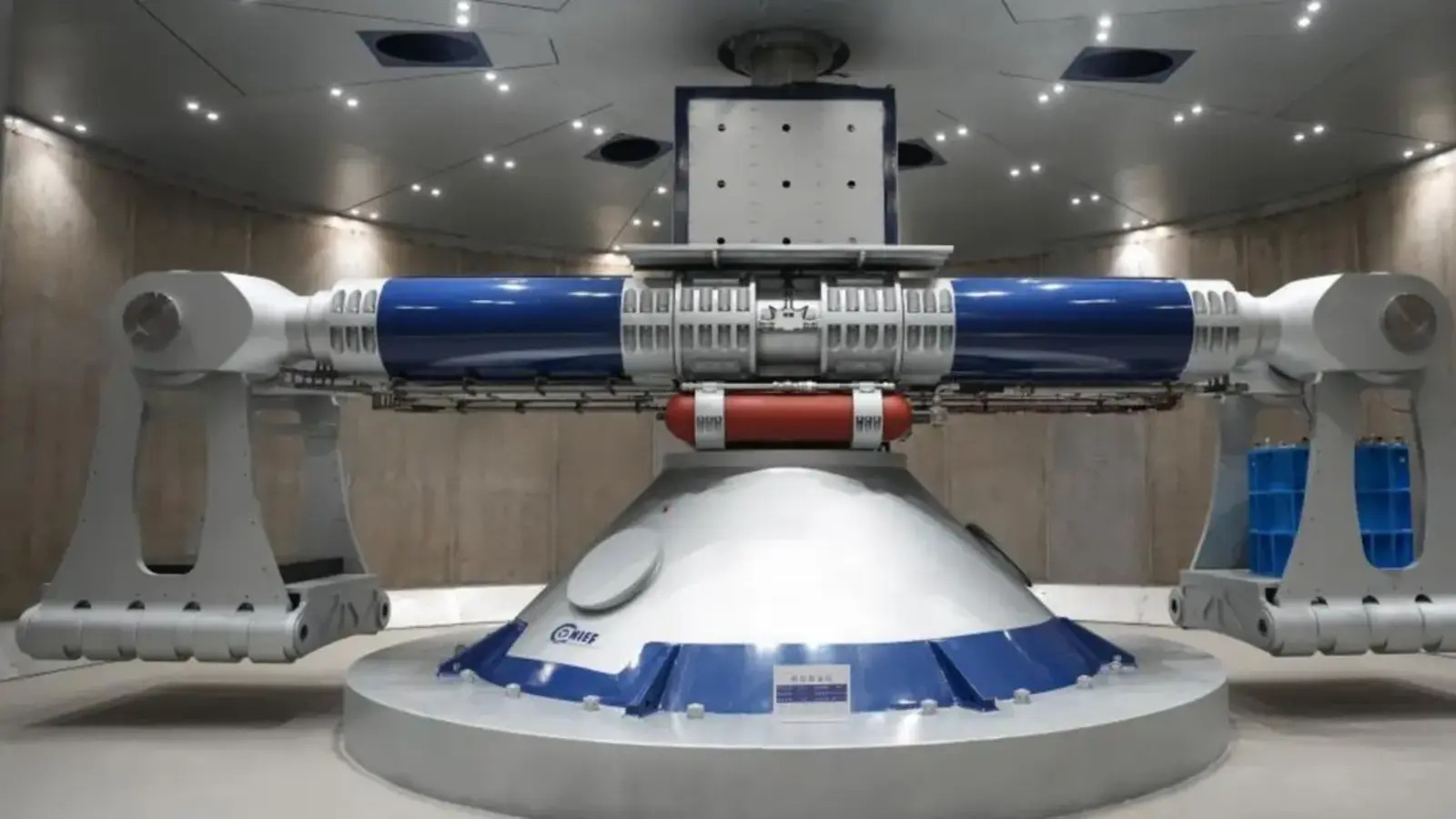
Installed at Zhejiang University in Hangzhou, the CHIEF1900 centrifuge generates up to 1,900 G-tons and allows simulation of earthquakes, storms, climate changes, and extreme pressures on structures, materials, and biological organisms
China has introduced the CHIEF1900 hypergravity machine, installed at the Interdisciplinary and Centrifugal Hypergravity Experiment Center, under Zhejiang University in Hangzhou. With the capacity to generate up to 1,900 G-tons, the centrifuge allows simulation of extreme conditions to study natural disasters, climate changes, materials, and biological organisms. The installation is located 50 feet, or 15 meters, deep to protect it from external vibrations.

Hypergravity machine expands tests in extreme conditions
The CHIEF1900 operates through massive arms that spin at high speed and generate centrifugal force. This movement pushes objects outward and creates hypergravity environments, with levels far above the Earth’s normal gravity.
According to Dan Wilson, associate director of the Geotechnical Modeling Center at the University of California, Davis, the centrifuge can generate gravity levels hundreds of times greater than Earth’s gravity.
-
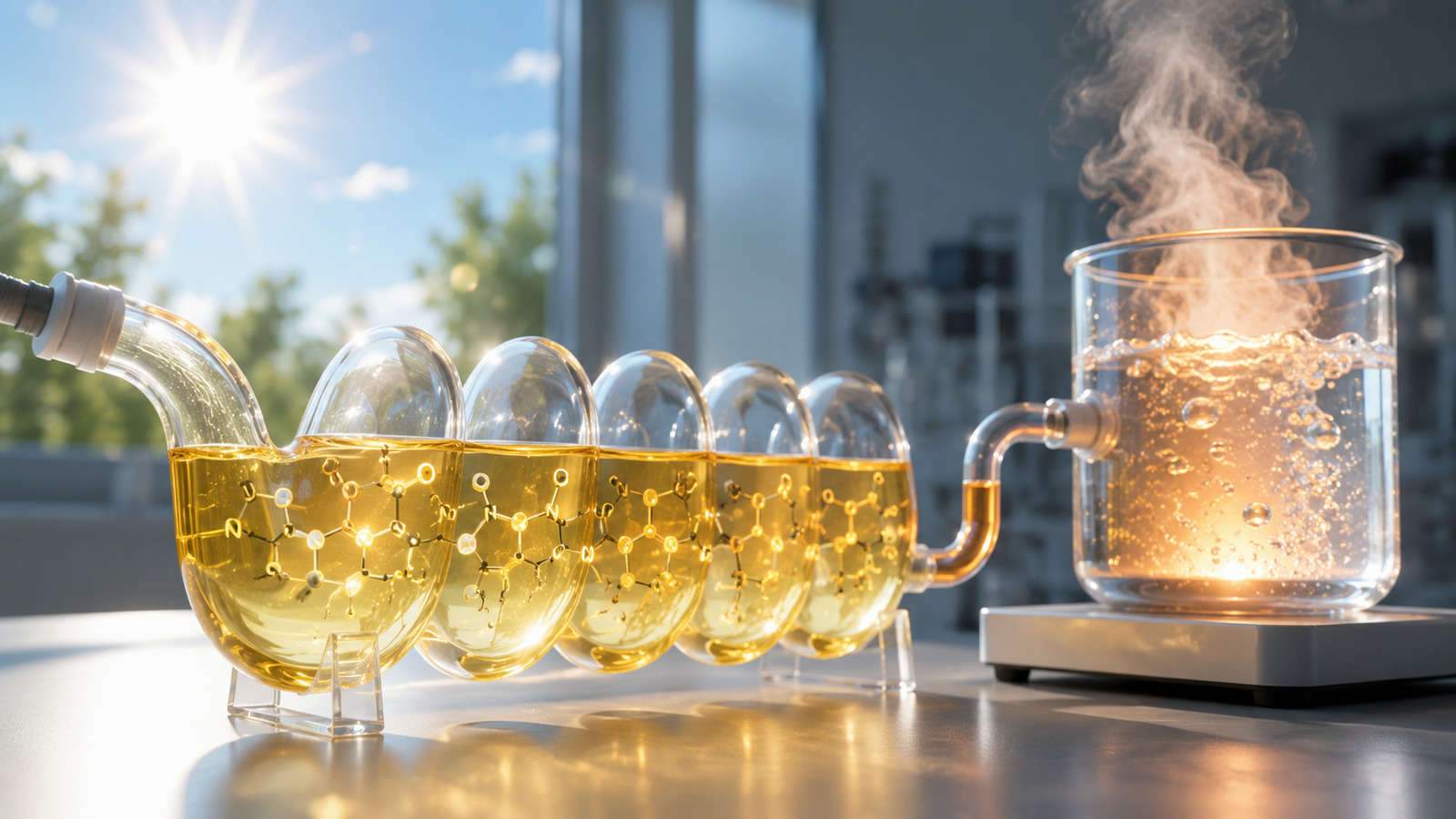
Scientists claim to have created a way to “store solar energy” in a liquid molecule and release that heat when needed.

-
NASA is advised to create a biocontainment facility on the Moon to prevent samples from Mars, the Moon, or other places in space from arriving directly on Earth with possible dangerous contaminants.

-
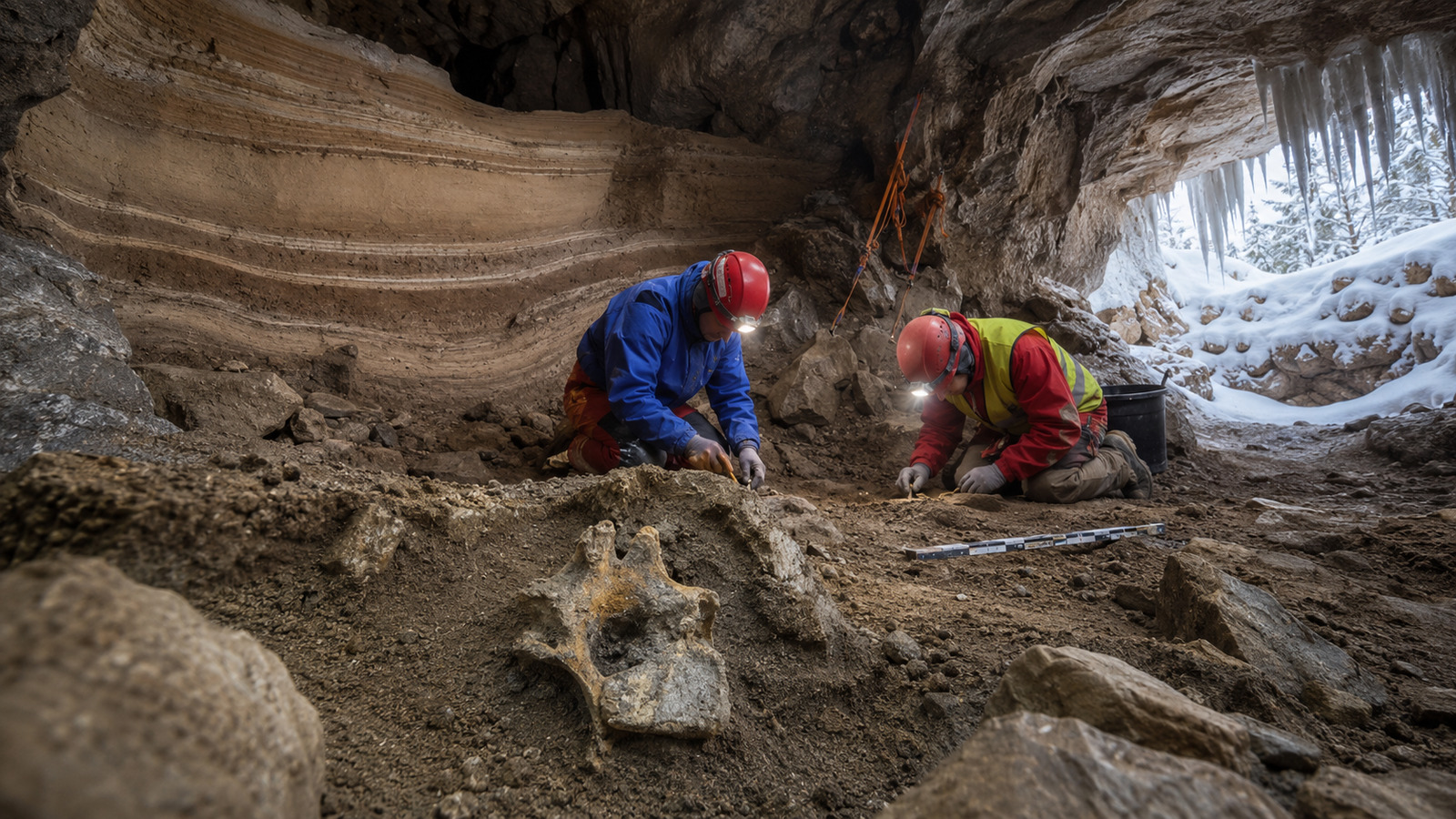
Scientists open lost cave in Norway and encounter a forgotten Arctic world with 46 species that existed 75,000 years ago.
-
Scientists were looking for a black hole in a galaxy 11 billion light-years away, but ALMA revealed a “factory” of neutrinos hidden by dust and powered by intense star formation.



The hypergravity machine allows reproduction of pressures associated with larger planets, Earth’s depths, ocean floor, and outer space. The difference compared to previous models is the scale, which enables more ambitious experiments.
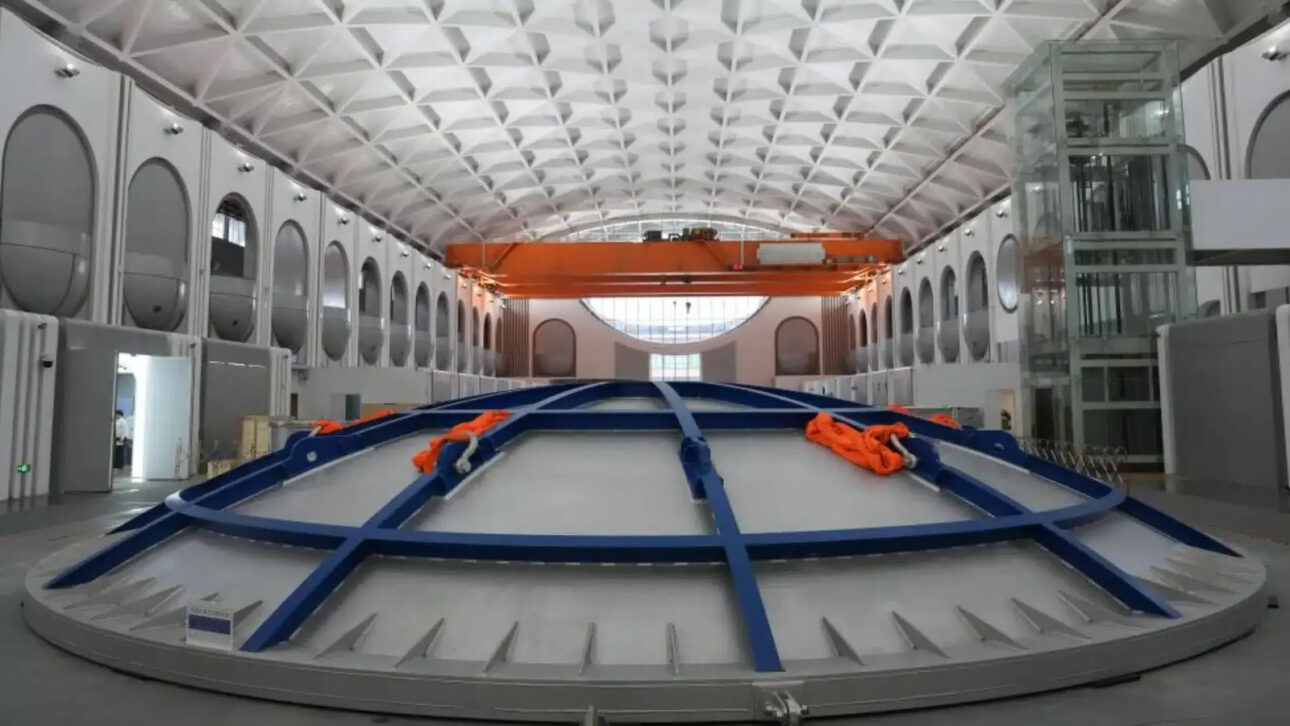
Hypergravity machine can accelerate studies on natural disasters
One of the intended uses for the CHIEF1900 is in the simulation of earthquakes, storms, debris flows, wildfires, and effects associated with climate change. The idea is to subject scaled-down models of structures and environments to extreme forces.
Bridges, dams, and other infrastructures can be tested in controlled scenarios. This helps researchers observe potential damages in conditions that represent real situations, but without relying on the occurrence of these events in nature.
The centrifuge also allows for the compression of time in environmental processes. Changes that would normally take years to monitor can be simulated in shorter periods, with control over the conditions applied in the experiment.
“The expansion of capabilities will also help us build social resilience to climate-affected processes, such as debris flows and wildfires, creating new opportunities across a wide range of scientific issues,” stated Wilson.
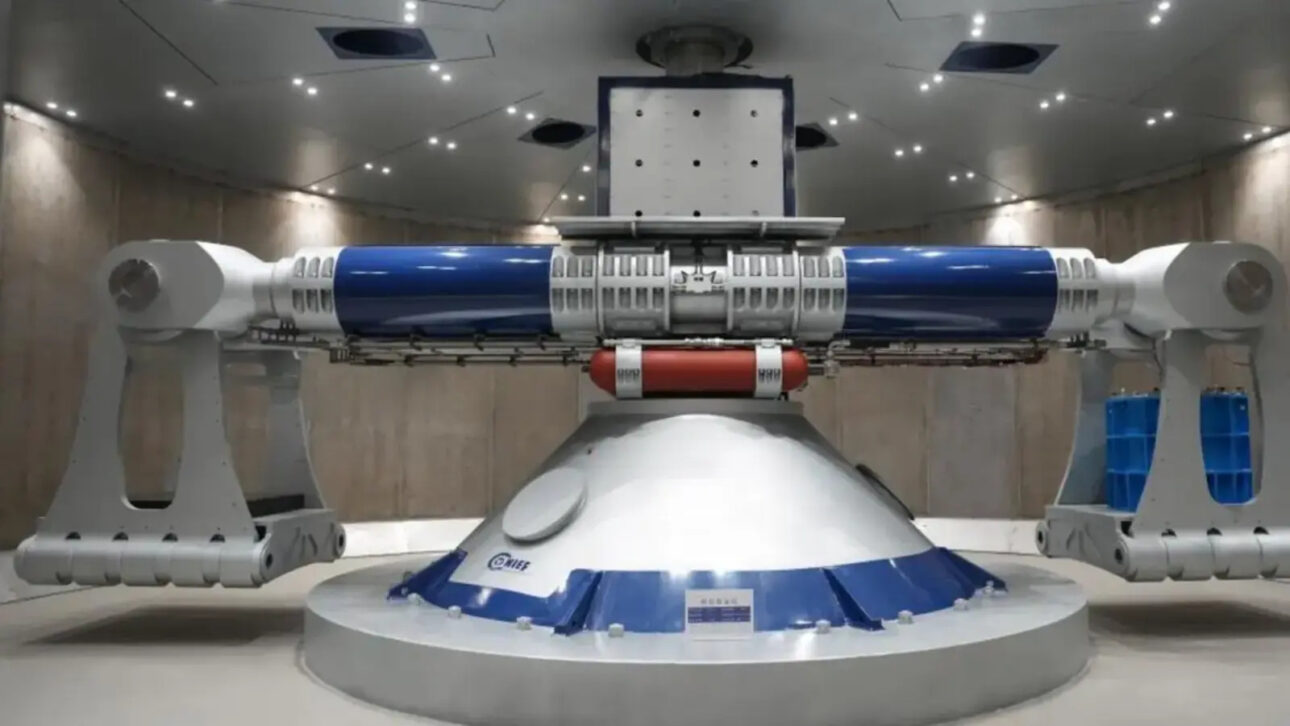
CHIEF1900 also targets materials, deep ocean, and space
The hypergravity machine will also be used in materials engineering research. By subjecting materials to extreme gravitational conditions, scientists can assess stress responses, durability, and performance in hostile environments.
This type of testing can aid in the development of materials for aerospace technology, deep-water exploration, drilling, mining, and the construction of deep underground spaces.
The CHIEF1900 can simulate pressures and gravity found at the ocean floor or deep within the Earth’s crust.
With this, researchers can evaluate how advanced alloys and other materials behave before being applied in extreme situations.
Control of forces is a central part of the research
Popular Mechanics explains that the arms of the centrifuge spin at very high speeds to create the forces necessary for the experiments.
These forces can be carefully controlled to avoid damage caused by unwanted resonances.
This precision is important because the machine will be used for both structures and materials as well as biological organisms.
The CHIEF1900 opens up space to observe reactions under intense stress, on a scale previously limited by smaller equipment.
This article was prepared based on information from Popular Mechanics and the material provided about the CHIEF1900, with data, numbers, and statements preserved as per the consulted material.






Be the first to react!