Portuguese
  Spanish


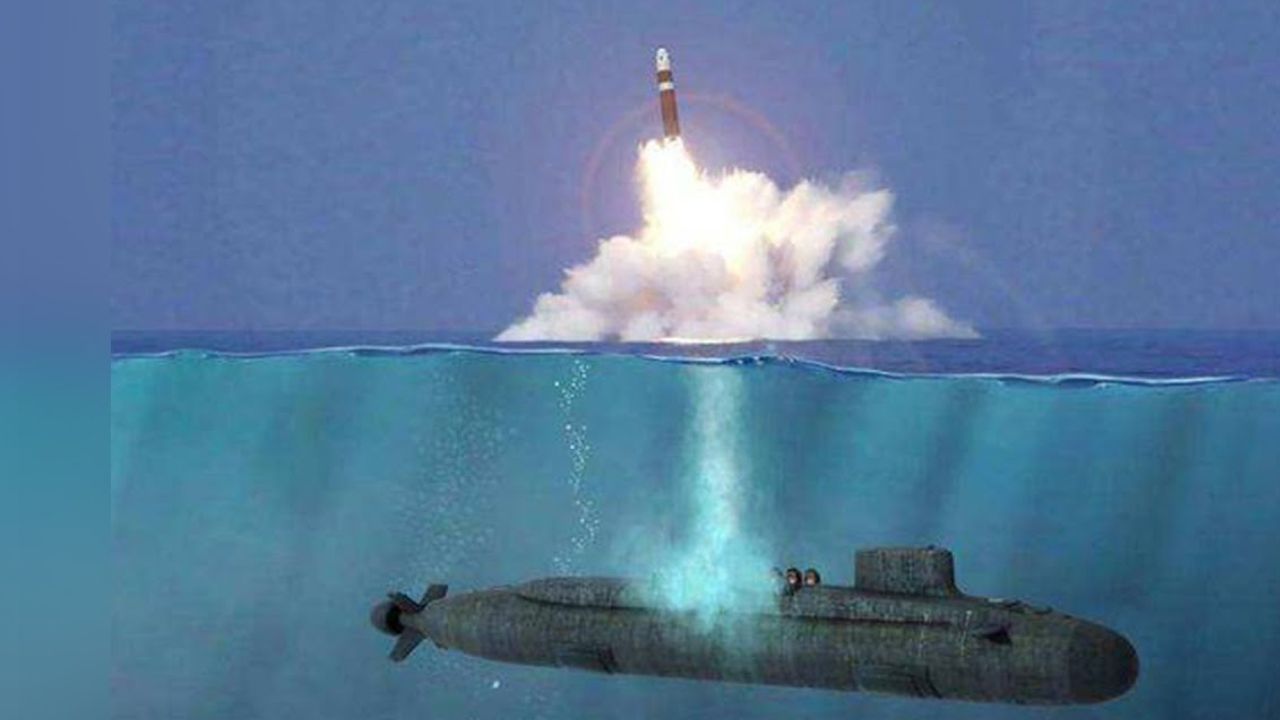


In Recent Years, The Military Technological Race Has Intensified, And A New Player Has Strongly Entered The Naval Warfare Arena. A Report From The China State Shipbuilding Corporation Revealed That Beijing May Be Developing A Submarine With Hypersonic Missiles, A Weapon Capable Of Radically Changing The Balance Of Power In The Indo-Pacific. But What Does This Mean For The Future Of Military Tensions In The Region?
The Indo-Pacific Has Become One Of The Most Militarized Regions On The Planet. With The Growing Presence Of The United States And Its Allies, China Has Been Seeking To Strengthen Its Strategic Position, And The Development Of A Submarine With Hypersonic Missiles Seems To Be Its Latest Response.
This Submarine Would Be An Asset In Chinese Naval Deterrence, As It Could Operate Stealthily, Launch Attacks At Extreme Speeds, And Even Carry Nuclear Warheads. Its Main Objective? To Balance The Game Against Western Military Presence In The So-Called “First Island Chain,” Which Stretches From Japan To The Philippines.
What Do We Know About The Chinese Submarine?

Although Beijing Has Not Officially Confirmed Its Existence, The Report From The China State Shipbuilding Corporation Reveals Impressive Details About The Vessel.
-
The U.S. Navy Conducts Submarine Tests in Idaho Lake to Detect Underwater Noises Hidden by the Ocean

-
Nuclear Submarine USS Alexandria Retired After 35 Years, Having Completed Over 1 Million Miles in Missions

-
MODEC Introduces New Hull Design for FPSO Gato do Mato to Produce Up to 120,000 Barrels of Oil Per Day in Brazil’s Pre-Salt Region
-
This Massive 12-Meter, 21-Ton Underwater Drone Can Operate Autonomously for Up to Five Days


The Submarine, Captured By Satellite Images In Wuhan, Features A Vertical Launch System (VLS) For Ballistic And Cruise Missiles, As Well As An X-Shaped Tail Fin, Which Enhances Its Maneuverability And Stability In Deep Waters.
But The Big Differentiator Lies In The Hypersonic Missiles. Unlike Conventional Missiles, They Can Reach Speeds Exceeding Mach 5, Making Interception Almost Impossible. This Gives The Chinese Submarine An Nearly Invulnerable Attack Capability, Able To Strike Strategic Targets Even Before They Are Detected.
Military Strategy And Global Impact
The Presence Of This Submarine In The Chinese Arsenal Could Change The Balance Of Power In The Pacific. The United States Has Been Reinforcing Its Containment Strategy, But China Now Poses A Threat That Could Bypass These Defense Barriers.
Whether Operating Alone Or In Small Groups, This Submarine Could Force Adversaries To Spread Their Forces, Increasing The Difficulty Of Defense Against Potential Attacks. Its Ability To Operate In The Disputed South China Sea Puts Maritime Trade Routes On High Alert.
The Response Of The United States And Allies
The U.S., Already Concerned With The Growing Chinese Military Expansion, Has Been Reinforcing Its Presence In The Region. In April 2024, They Installed Typhon Missile Launchers On Luzon Island In The Philippines. These Systems Are Capable Of Hitting Targets In China, Russia, And North Korea, Increasing Pressure On Beijing.
The Chinese Response Was Immediate: They Classified The Launchers As A Strategic Threat And Called For Their Removal. However, The U.S. Is Considering Moving These Systems To Other Countries, Such As Japan, Germany, And Denmark, Expanding Their Containment Network Against China.
In Light Of This Scenario, The Arms Race In The Pacific Intensifies. China Is Betting On Stealth Technology And Hypersonic Missiles, While The U.S. Reinforces Its Defense And Presence In Allied Territories.