






 Portuguese
  Spanish


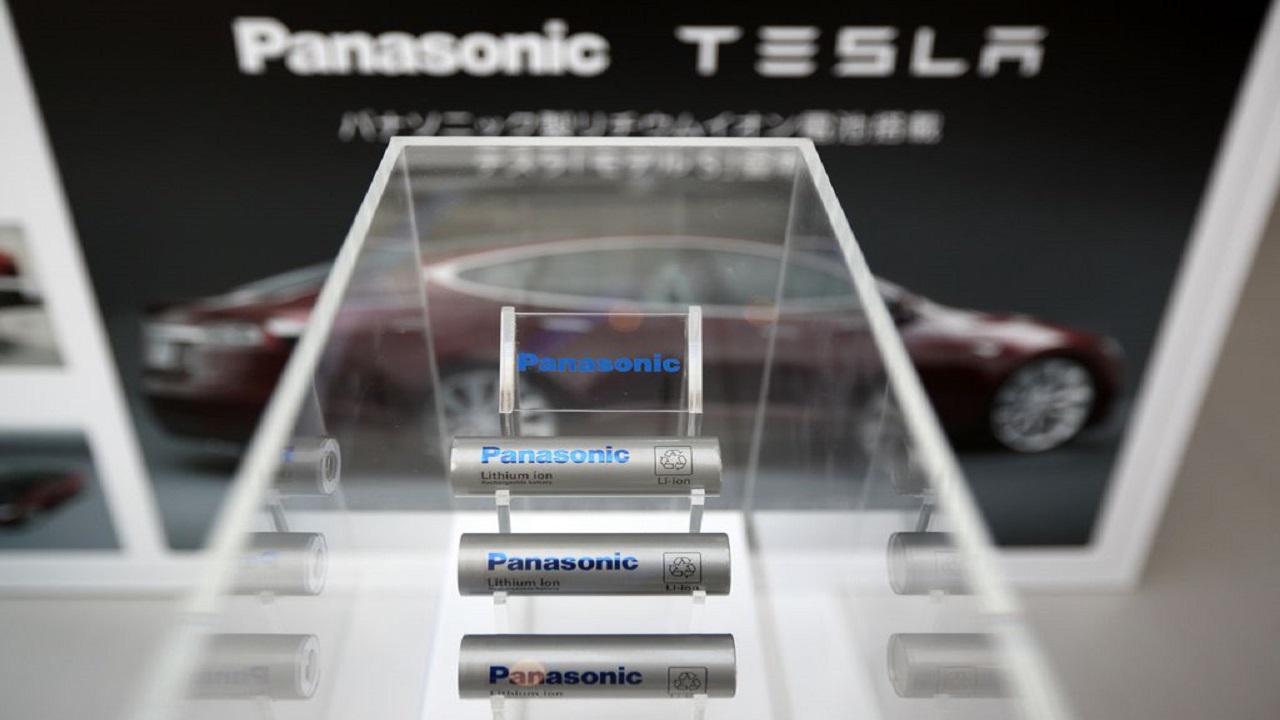

Panasonic is Developing a New Battery for Electric Cars Called 4680, Which Promises Greater Cost-Effectiveness and Range in Tesla Standard.
Panasonic introduced a project for its new lithium-ion battery for electric cars. The cylindrical battery is a new type of battery that the company has been developing since Tesla announced the new standard in September 2020. The prototype is named 4680 (46 mm in diameter and 80 mm in height).
Read Other Related News
Tesla Is Also Working on Developing Its Own Batteries for Electric Cars
With enhanced details of the original 4680 and lower production costs, Panasonic would like to enter a new phase of its electric vehicle battery business and has already shown interest in investing in the project.
According to reports, Panasonic did not reveal the battery formula, nor when and where mass production of the new Tesla standard batteries will occur. Tesla is also working hard with its battery technology internally and recently stated that it is currently manufacturing a significant number of batteries for testing purposes, which is an obvious stage beyond electric car battery prototypes.
-
Thinking of Installing LED Headlights? Why Replacing Halogen Bulbs is Still Banned, the Glare Risks Authorities Worry About, and How a New Proposal Could Allow Certified, Safe Installations

-
2027 Toyota Corolla Cross Unveiled: New Design, Enhanced Fuel Efficiency, Reduced Maintenance Costs, Advanced Technology, Connected Services, and Up to 10-Year Warranty

-
Fiat Cronos Precision 2018: Affordable Sedan with Spacious Trunk and Reliable Maintenance
-
Volkswagen to Cut Production by 1 Million Cars by 2030, Reducing Jobs and Platforms, Focusing on More Profitable Models




As far as is known, at least some other manufacturers are also focusing on the 4680 model, hoping to receive a large order from Tesla in the future. However, Panasonic’s project may be ahead of its rivals, at least for now.
Panasonic Will Not Manufacture Lithium-Iron Batteries
According to Kazuo Tadanobu, the executive responsible for the battery department at the Japanese company, they developed this due to strong demand from the other party and also because they agree that this type of technology could lead to even stronger partnerships.
As a clarification, Panasonic stated that it will not manufacture lithium-iron batteries, which are often seen as a more affordable option for electric cars, with better cost-effectiveness and lower range or energy storage systems.
Kazuo claims that Panasonic did not plan to make lithium iron phosphate batteries for the more affordable car models. Tesla uses the LFP standard; the company has transitioned its entire vehicle line to LFP, and according to data from The Verge, even Apple is looking for a lithium iron battery supplier for its electric cars.
Volkswagen and CBMM Make Progress on Producing the First Niobium-Powered Vehicle
Last month, Volkswagen struck a deal with CBMM to advance the production of the first vehicle powered by niobium batteries. The agreement stipulates that CBMM will supply the products to the automaker for them to be manufactured alongside the factory’s models in Resende.
With the tests, the projection is that the niobium battery will be fully ready for sale in 2023. Ford and BMW, which have a joint venture, are investing in solid-state batteries, with the first production scheduled to start early next year.
This type of battery is gaining fame and is seen as the future for hybrid and electric cars, potentially serving as a possible substitute for lithium-ion batteries.


