Portuguese
  Spanish


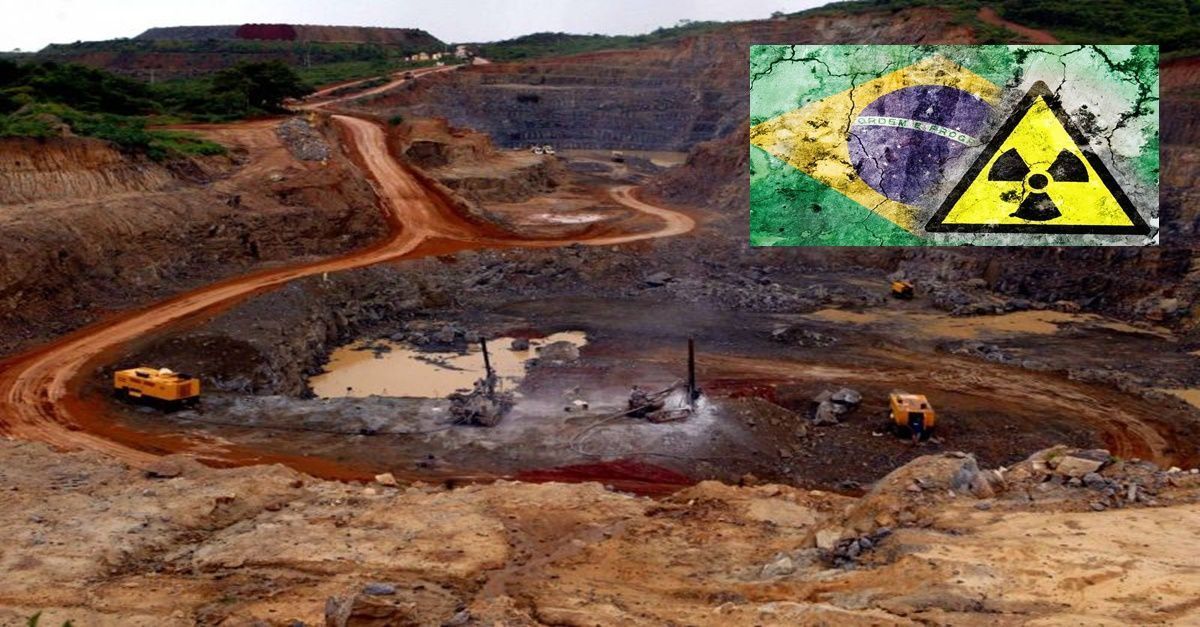

According to the Ministry of Mines and Energy (MME), the goal of the changes is to attract private investors for uranium mining, which will be used as fuel in nuclear energy in Brazil
Nuclear Energy – The Government plans to change the legislation for uranium extraction, and Brazil is expected to produce 2.4 thousand tons per year of the mineral starting in 2030, said the advisor to the Ministry of Mines and Energy (MME), Admiral Ney Zanella dos Santos. The government’s plans also include opening up the uranium exploration sector to the private sector, breaking the state monopoly.
Read Also
- Government Authorizes the Resumption of Construction of the Angra 3 Nuclear Power Plant in Rio de Janeiro
- Nuclear Plant: Angra 1 and 2 Could Halt Due to Fuel Shortage, Causing a Cost of R$ 1.4 Billion on the Electricity Bill
- Government Decides to Resume Uranium Mining to Expand Nuclear Program in Brazil
The information presented an overview of the current situation regarding nuclear energy in Brazil, and according to the Head of the Special Advisory for Strategic Management, the goal of the changes is to attract private investors for uranium mining, which will be used as fuel.
Zanella also highlighted yesterday (9/9) in the webinar “The Use of Nuclear Energy in Brazil and the World” – A preparatory event for the NT2E – Nuclear Trade and Technology Exchange, which will be held in 2021, the plans for the Brazilian energy matrix and the challenges for nuclear energy in Brazil over the next 30 years.
-
Brazil to Issue “Panda Bonds” in China, Aiming to Raise Up to 5 Billion Yuan at Lower Interest Rates Than Dollar Debt
-
NATO Faces Internal Tensions as U.S. Pushes for Increased Defense Spending, Targeting 5% of GDP by 2035, with Warnings for Countries Near 2% Level

-
Brazil to Introduce B16 Diesel with Increased Soybean Oil Content for Trucks by 2026
-
Brazil’s July Bolsa Família Payments May Include Extra $150 and $50 for Families with Children, Pregnant Women, and Updated CadÚnico Registration


The event also featured the participation of the Director General of the International Atomic Energy Agency, Rafael Mariano Grossi, who spoke about the current landscape of the nuclear sectors worldwide and highlighted Brazil as an example of “technological sophistication in this scenario” as stated by Rafael during the webinar.
National Nuclear Energy Authority
The creation of the “National Nuclear Energy Authority” was highlighted in the webinar, with new paths for nuclear policy in Brazil presented by the Ministry of Mines and Energy.
There is no timeline for the establishment yet, but the institution will be a regulatory agency linked to the Ministry and responsible for the certification and licensing of projects.
The government’s plans also include opening up the uranium exploration sector to the private sector, breaking the state monopoly. The Nuclear Industries of Brazil (INB), which is responsible for national production, has a production capacity of 400 tons per year. The INB intends to open new mines as well as adopt more modern processing methods.
Still trying to advance with nuclear energy, the Brazilian government plans to start operations at the Angra 3 plant starting in 2026. For now, the construction is halted.