Portuguese
  Spanish




The New Biofuel Created By Scientists Using Plants Is Capable Of Competing With Fossil Fuels And Being More Attractive In Terms Of Prices For The Consumer
Scientists claim to have found a more economical and efficient way to produce what they call the biofuel of the future, using plants as raw material and lowering the final price for the consumer. The process of converting sugar into alcohol needs to present itself more effectively, says the professor and one of the scientists, Venkat Gopalan, from the Ohio State University. This efficiency of the biofuel, produced from plants, is important to compete with fossil fuels, regarding energy efficiency the biofuel is presented as viable and competitive. However, in terms of economic efficiency, it presents a high cost in relation to its production and therefore is currently less competitive.
Read Also
In general, scientists have discovered a simpler and more economical method of creating cofactors, causing the carbon in plant cells to be transformed into energy. These cofactors in their smallest forms make up the fundamental part of the transformation of plant sugar into methanol or ethanol for biofuels.
Understand The Process And Creation Of The New Biofuel Of The Future
Scientists developed an electrode with overlapping layers of copper and nickel, cheaper and more accessible elements, with the aim of making the process more economically viable. This electrode enabled the reconstitution, from oxidized forms, of the coenzymes NADPH and NADH.
-
Fired during apartheid and with a little borrowed money, an electrician started with a borrowed truck and transformed electrical services into a group connected to energy, real estate, and infrastructure in South Africa.

-
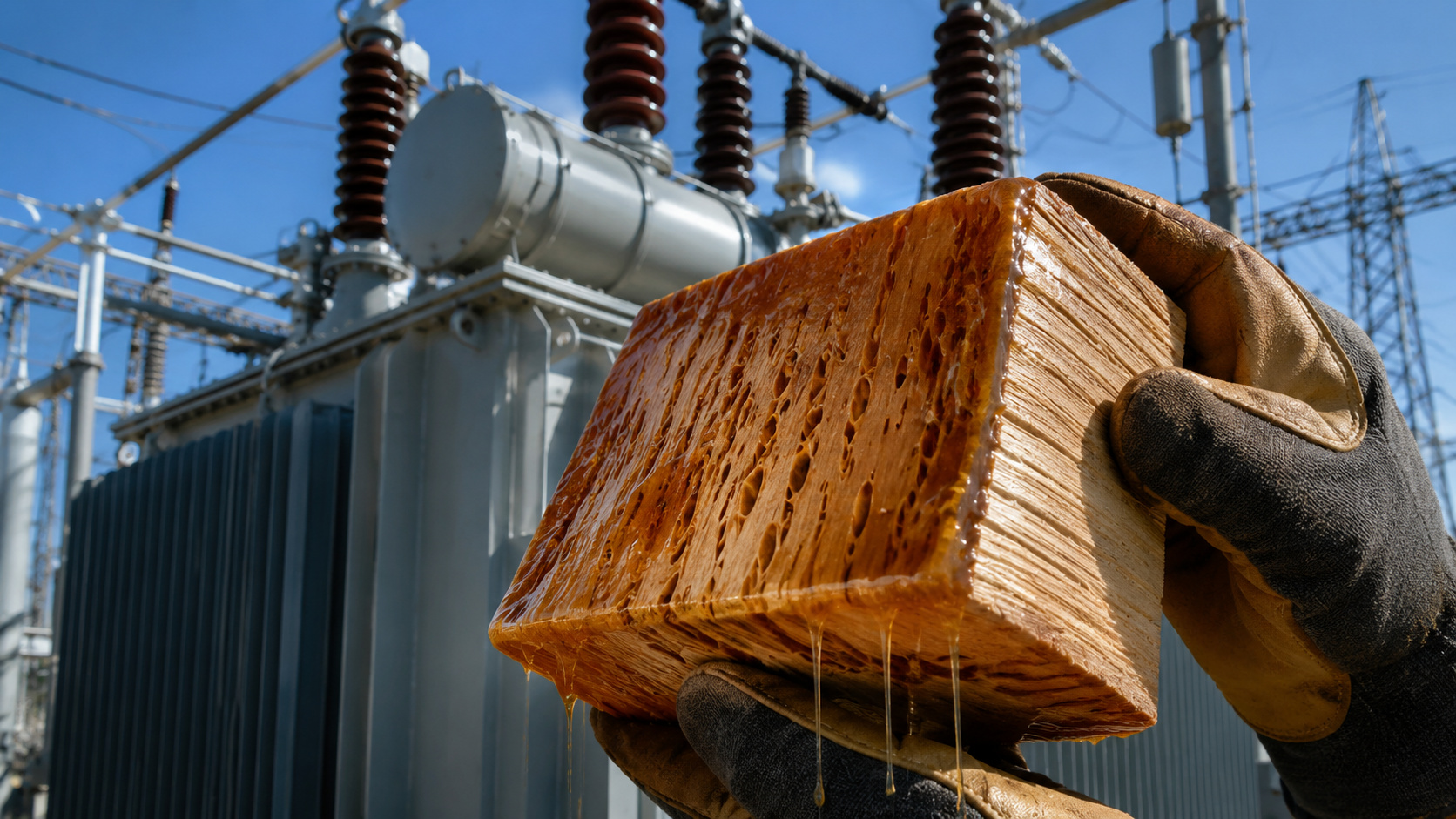
Wood has ceased to be just a construction material in Yale research and has become insulation for electrical transformers that face intense heat, aging, and increasing pressure from the renewable energy-powered grid.
-
More than 1,000 residents of a remote island in Kiribati now have clean water and electricity with solar systems operated by the community itself.
-
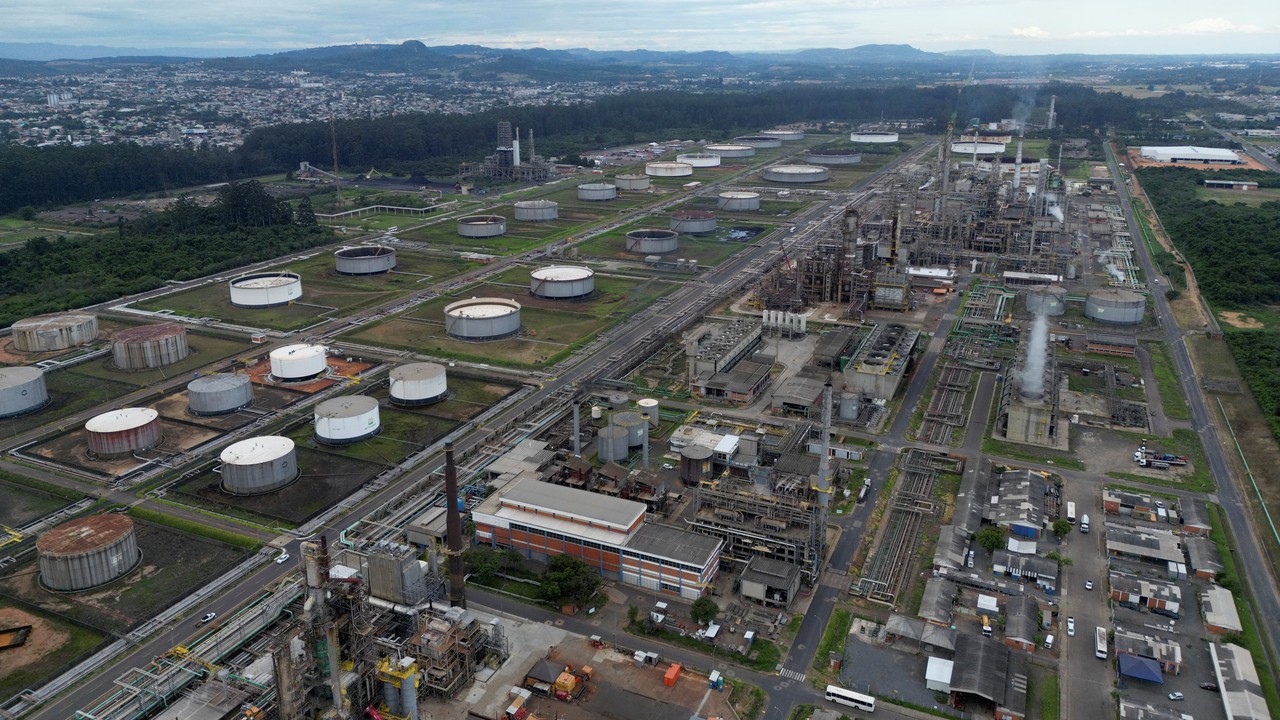
With a record production of nearly 3 million barrels per day, Petrobras resumes importing diesel in July, highlighting the bottleneck in Brazilian refining.



The scientists used plants as a cofactor in the production of an alcohol from another molecule to make it clear that they built an electrode that can assist in the conversion of biomass into biofuels with plants and also claim that the end consumer will pay less.
Since NADH and NADPH act as the basis for various energy transformation processes within cells, this discovery can be utilized for other purposes such as, for example, in the metabolic slowdown of cancer cells, providing advantages in some cancer treatments.
Importance Of Biodiesel As A Transport Fuel
The scarcity of known oil reserves will make renewable energy resources more attractive. The most viable way to meet this growing demand is by utilizing alternative fuels, such as the biofuel of the future, considering the consumer.
Biofuel is defined as the monoalkyl esters of vegetable oils or animal fats. Biodiesel is the best candidate for diesel fuels in diesel engines. The greatest advantage that biofuel has over gasoline and petroleum diesel is its compatibility with the environment. Biodiesel burns similarly to petroleum diesel, as it relates to regulated pollutants.
Another significant economic advantage of plant-based protein production over microorganism-based production is in scaling protein expression, which ultimately benefits the consumer.
Considering that scaling microbial systems involves high purchasing and maintenance costs for large fermenters and related equipment, scaling plant-based protein products would require only planting more seeds and harvesting a larger area (Gray et al, 2008). Genetically modified plants expressing cellulase may therefore offer significant capital cost savings compared to more traditional cellulase production via cellulolytic fungi or bacteria (Gray et al, 2008).
Advantages Of Using Biofuel For The Consumer
Biofuels represent an alternative energy source for reducing global warming and also in relation to the possible depletion of oil reserves.
Among the main advantages of using biofuel are the low CO2 emissions into the atmosphere and the reduction of global warming and the greenhouse effect. With a production that is 90% lower compared to other energy sources, sugarcane is among the examples of reducing CO2 emissions in the atmosphere.