Portuguese
  Spanish


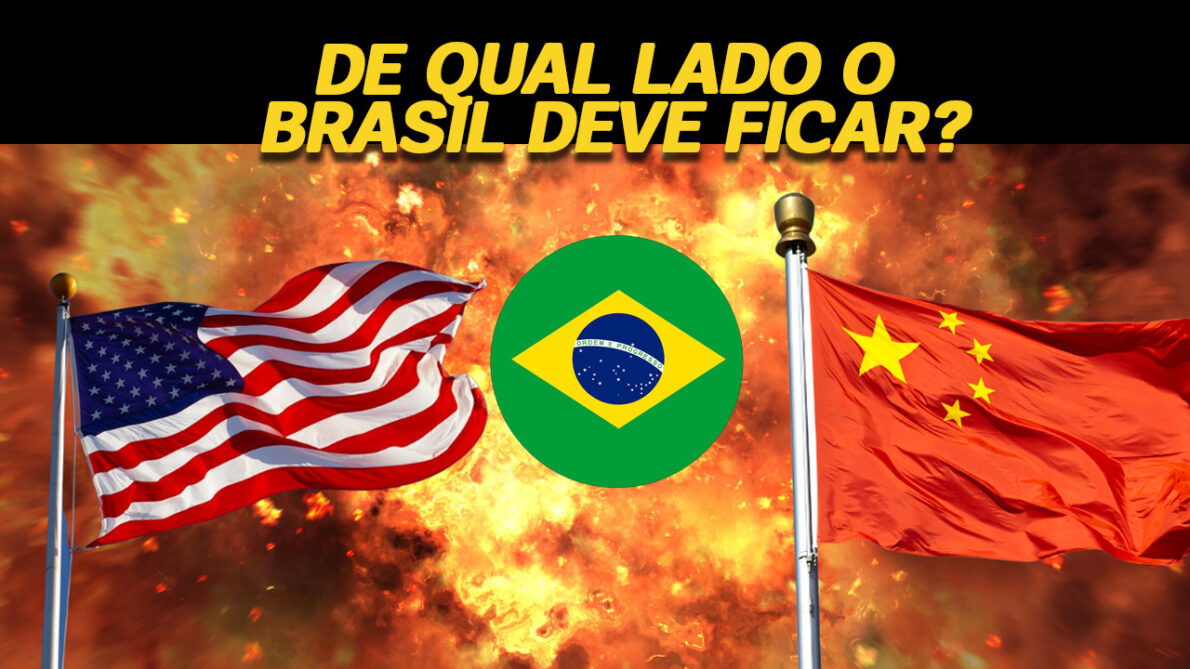

US-Led Coalition Challenges China’s Dominance Over The Critical Minerals Market. Brazil, With Its Reserves, Will Have To Decide Where It Stands In This Dispute That Could Redefine The Future Of The Tech Industries.
A new front in the economic battle is being drawn on the global stage, this time over China’s dominance in the critical minerals market.
These materials, essential for the production of everything from electric vehicle batteries to advanced weaponry, are at the center of a dispute that promises to change the future of tech industries.
According to experts, the US and its Western allies are uniting in a bold strategy to reduce dependence on China.
-
Imported Electric and Hybrid Cars in Brazil Face 35% Tax Increase, Raising Prices Starting July 1st

-
Rio de Janeiro Buses Stop Accepting Cash: How to Pay and Maintain Fare Integration

-
Toll Fees in São Paulo’s Countryside Drop by Up to 50% Starting Today
-
Petrobras Invests $2.3 Billion in Brazilian Coastal Shipyards, Creating Over 5,000 Jobs and Revitalizing the Naval Industry



In an effort to weaken the control of the Asian giant, a financial and diplomatic operation is being created, involving 14 countries and the European Commission, focused on ensuring access to these essential resources.
But the big question looming in the air is: which side will Brazil take in this dispute?
US and Allies Initiative
Next Monday (23), during an event in New York, the Minerals Security Partnership (MSP) is expected to announce a decisive move against Chinese dominance.
According to information published by the coalition, the goal is to strengthen cooperation among Western nations, encouraging the private sector to invest in critical mineral mining projects in strategic regions.
Among the highlighted projects is a large investment in Tanzanian nickel, supported by the mining company BHP.
According to an official statement from the MSP, this initiative aims to promote information sharing and ensure co-financing for projects that help diversify the mineral market.
The event will feature representatives from major companies, such as BlackRock, Goldman Sachs, and Rio Tinto, who have already expressed interest in being part of this global effort.
Challenges in the Western Response
The global situation demands a quick response.
According to Jose Fernandez, US Under Secretary of State for Economic Growth, there are about 30 mining projects under review, all focused on essential minerals for high-tech production.
The idea is simple: reduce Western dependence on China and strengthen the supply chain for essential products like electric vehicles and military equipment.
Currently, Chinese companies control 90% of the rare earth processing market, as well as a significant portion of cobalt, nickel, and lithium, minerals used in batteries and tech products.
According to Fernandez, China’s strategy is clear: dominate the market and eliminate competition through practices such as oversupply and predatory pricing.
Critical Minerals as Strategic Weapons
The conflict between the US and China transcends traditional trade. The rivalry involves advanced technologies, from semiconductors to munitions, where rare minerals play a crucial role.
According to the CEO of the US International Finance Corporation, Scott Nathan, the goal is to ensure that the private sector has the necessary tools to compete fairly with Chinese giants.
The race for these minerals has become a strategic game.
Western companies face enormous challenges, such as a lack of subsidies and high production costs, compared to Chinese models that benefit from state funding and more flexible environmental practices.
Brazil, Is It Time to Pick a Side?
In light of this global dispute, it is clear that the coming years will be decisive.
Brazil, with its mineral wealth and strategic geopolitical position, will have to carefully choose which side it wants to be on in this new global economic order. The future of high-tech industries may depend on it.
And what about you? Should Brazil strengthen its ties with China or align with Western nations in this dispute over critical minerals? Leave your opinion in the comments!