Portuguese
  Spanish


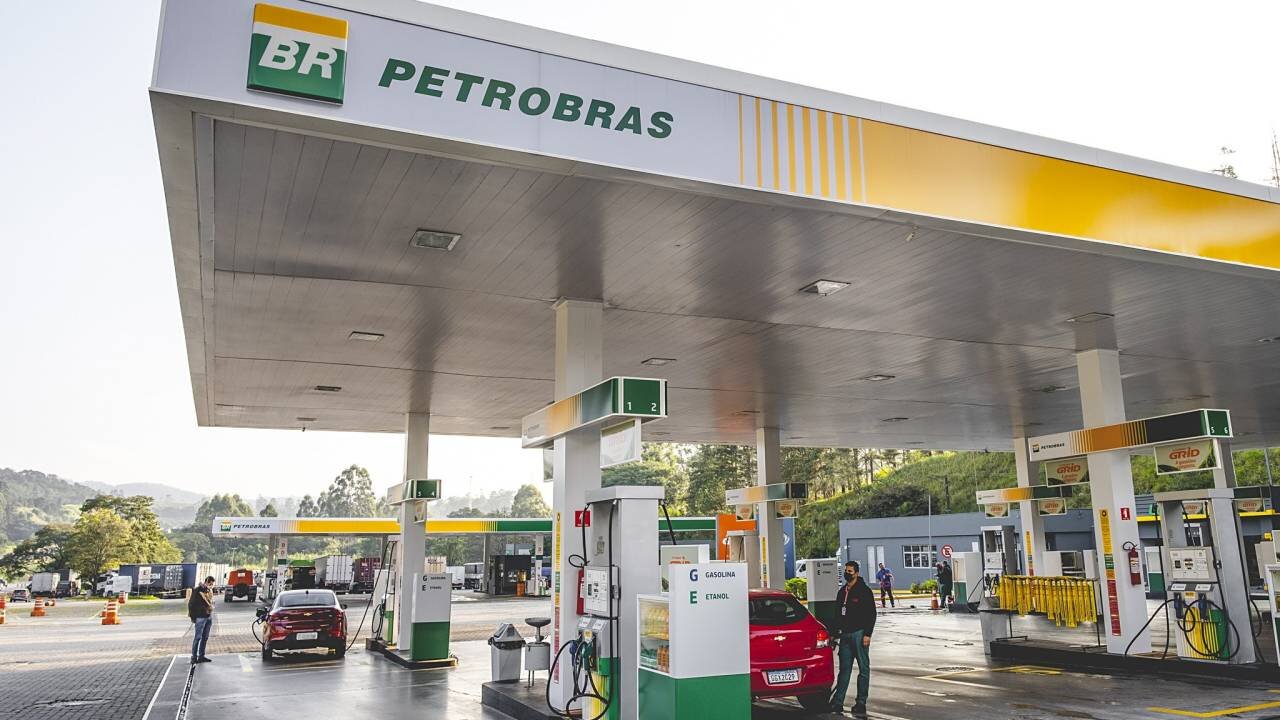

The Increase In Fuel Prices At Brazilian Refineries Is Due To The Rise In The Price Of Oil On The International Market. Petrobras Has Not Yet Projected The Impacts At The Gasoline Pumps Regarding The Prices Charged For The Products.
The National Fuel Market Is Experiencing Another Moment Of Instability At The Beginning Of 2023. For This Wednesday (01/25), The State-Owned Company Petrobras Will Increase The Price Of Gasoline At Brazilian Refineries By 23 Cents Or 7.46%. This Is The First Time The Company Has Made A Price Increase Since June 2022. Problems In The International Market Currently Reflect The Need For Adjustments In The Prices Charged By The State Company, According To The Company’s Justification.
Petrobras Will Charge 7.46% More For The Price Of Gasoline At Brazilian Fuel Refineries Starting This Wednesday
After Several Months Of Declining Fuel Prices In The National Market, Petrobras Announced An Increase In The Price Of Gasoline At The Refineries.
The Product Will Increase From R$ 3.08 To R$ 3.31, A Significant Increase Of 7.46% Compared To The Prices Previously Charged.
-
He Left Construction, Partnered with His Wife, and Turned a Homemade Gelato Hobby into Brazil’s Largest Chain with 240 Stores and $100 Million Annually

-
Brazil Faces Caregiver Shortage Despite Having 34.1 Million Elderly, Highlighting a Major Challenge for Families
-
Brazil’s Assaí Generates $4 Billion in Quarterly Revenue, Profits $16.7 Million, Highlighting High Tax Burden

-
Former Marketing Agency Owner Thrives on Foraging for 250 Days, Sampling Over 170 Plants, and Says He No Longer Remembers Supermarkets


The Last Adjustment Made To The Price Of Gasoline Was In December 2022, When The State Company Reduced The Price Of The Liter By 6.1% At Brazilian Refineries.
Now, The Company Is Raising Prices Of The Product In The National Market After More Than 6 Months Since The Last Increase, Which Occurred In June 2022. At That Time, The Oil Company Increased Prices By 5.18%.
“This Increase Follows The Evolution Of Reference Prices And Is Consistent With Petrobras’ Pricing Practice, Which Aims To Balance Its Prices With The Market, But Without Passing On The Short-Term Volatility Of Quotes And Exchange Rates To Internal Prices,” The Company Highlighted In A Statement.
Currently, The Company Adopts A Pricing Policy Known As The Import Parity Policy (PPI) For Fuel Prices In Brazil.
It Considers The Exchange Rate And The Prices Charged For Oil Barrels In The International Market, Significantly Impacting Brazil With The Volatility Of The Sector In Other Countries.
According To A Report By The Brazilian Association Of Fuel Importers (Abicom) Released On Tuesday, Gasoline Is Currently 14% Underpriced. Thus, Petrobras Had To Make Price Adjustments To Ensure Parity According To The Pricing Policy.
The Pricing Policy Adopted By The State-Owned Company In The National Fuel Market Is Criticized By Both The Bolsonaro Government And The Current Lula Government
Despite The Evident Political Ideological Differences, The Current Lula Government And Former President Jair Bolsonaro Converge In Their Criticism Of The Current Pricing Policy Adopted By Petrobras In Brazil.
Due To The Rise In Oil Prices Abroad, Caused By The Conflicts Between Russia And Ukraine, The Former President Renamed The Commander Of The State Company Twice In 2022.
He Aimed To Address The High Prices Charged For Gasoline And Other Fuels In Brazil.
This Year, Oil Prices Have Accelerated, Although At A Slower Rate Than In 2022. On January 6, The Price Of Oil Closed At 77 Dollars.
Even With The Slowing Increase In Prices, The Current Government Is Also Opposed To The Pricing Policy Adopted By Petrobras.
The Candidate For The Future Presidency Of The State Company, Jean Paul Prates, Has Already Publicly Stated That He Will Seek To Change The Pricing Policy.
Thus, He Will Be Able To Avoid An Increase Like The One Implemented By Petrobras In The Price Of Gasoline This Week, Minimizing Impacts On The Fuel Market.