





 Portuguese
  English
  Spanish
  4 min of reading
  0 comments


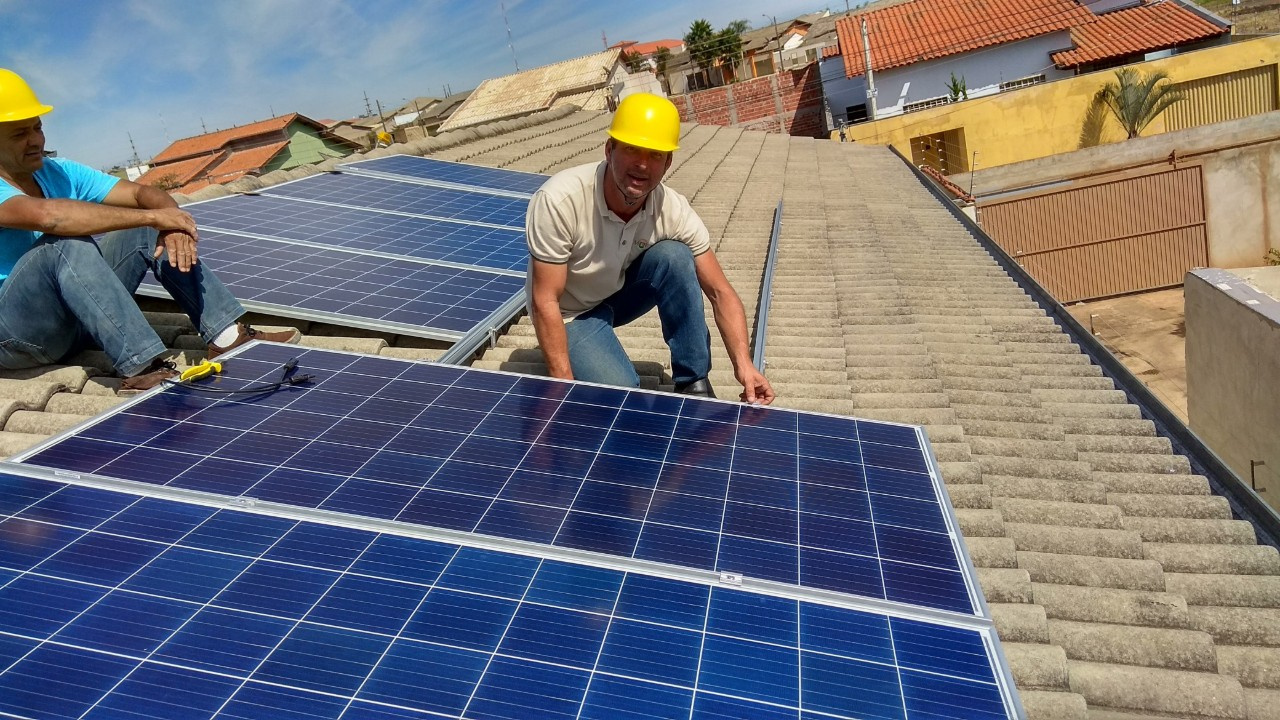
Expansion of Solar Energy in Brazil Accelerates Job Creation, Attracts Billion-Dollar Investments, and Strengthens the Economy with Direct Impact on Various Productive Sectors.
Solar energy has been consolidating as one of the main forces of transformation in the Brazilian electric sector. In addition to increasing the share of renewable sources in the energy matrix, the advancement of photovoltaic technology has directly affected the labor market. Recent data indicates that, by 2030, the number of jobs linked to solar energy could grow by up to 157%, reflecting the rapid expansion of the sector throughout the country.
The expectation is that solar energy will represent about 33% of the national energy matrix by the end of the decade. This movement is driven mainly by the reduction of installation costs, the maturation of the production chain, and greater access to credit lines for residential consumers, businesses, industries, and rural producers.
Technological Advancement and Investments Sustain Sector Growth
Since the beginning of the last decade, the solar energy sector has been responsible for creating more than 1 million direct jobs in Brazil. When considering indirect positions, this number is even more significant. In 2012, for example, the total number of jobs generated reached 1.4 million. The projection for 2030 points to 3.6 million job positions, consolidating solar energy as one of the largest vectors of income generation in the country.
-
Africa has about 500,000 cell towers and most still burn diesel to operate, while companies rush to cover antennas with solar energy and avoid signal blackouts.

-
Farmers swapped diesel for solar panels in Pakistan, powered irrigation pumps almost cost-free, expanded rice fields, and now groundwater has become a red alert in the countryside.
-
NGO opens slots for free solar energy course exclusively for women in São Gonçalo
-
How much does it cost to install solar energy at home in 2026? This method of generating energy attracts attention for allowing a reduction in electricity expenses and an estimated financial return between four and seven years, with residential systems costing between R$ 15,000 and R$ 28,000.



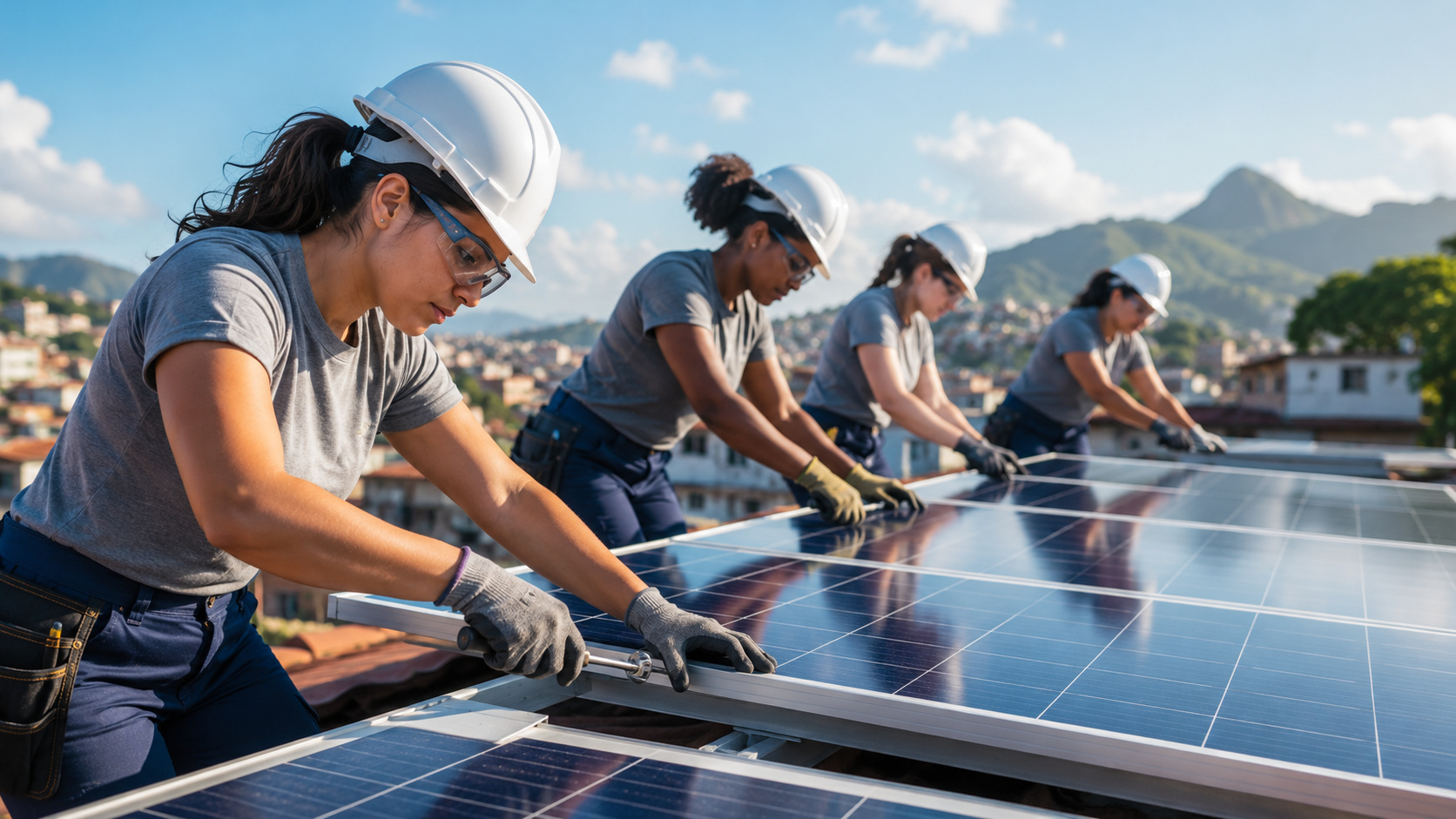

This advancement is directly associated with the volume of investments made. According to data from the Brazilian Association of Photovoltaic Solar Energy (Absolar), since 2012, the sector has accumulated R$ 279.7 billion in new investments. As a result, there was a collection of R$ 87.3 billion in taxes, in addition to the installation of 62.3 gigawatts of solar capacity across the country.
Solar Energy Combines Sustainability and Positive Economic Impact
Besides the economic impact, the expansion of solar energy also brings relevant environmental benefits. According to Absolar, about 50 million tons of carbon dioxide have been prevented from being emitted into the atmosphere due to the replacement of fossil sources by photovoltaic generation. This data reinforces the strategic role of solar energy in the sustainability agenda and in meeting the climate goals set by Brazil.
For Anderson Oliveira, CEO of EcoPower Electric Energy Group, solar energy is aligned with global awareness. “Solar energy aligns with a global awareness: sustainability,” he states. According to him, the savings generated on electricity bills allow families and businesses to redirect resources to other sectors of the economy, such as business expansion, technological innovation, and consumption of services.
Companies Reflect Accelerated Growth of the Solar Market
The growth of the sector can also be observed in the trajectory of companies specializing in solar energy. EcoPower, for example, reached 85 thousand approved projects in December. The company operates in an increasingly competitive market, but one that continues to expand, driven by the demand for more efficient and sustainable energy solutions.
According to Anderson Oliveira, the company’s development is linked to the way it relates to clients. “Treating them by name, treating them the way we would like to be treated. With the same respect and attention that each project needs,” he emphasizes. This operating model accompanies the professionalization of the sector and the expansion of service offerings related to solar energy.
Decentralization and Capillary Structure Strengthen Job Creation
Founded in 2013, EcoPower started its activities with just two partners. Currently, the company has over 400 internal employees at its headquarters located in Barretos, in the interior of São Paulo. In addition, it maintains a network of more than 350 franchisees distributed across all Brazilian states, which expands the reach of solar energy and contributes to job creation outside major urban centers.
The operational structure also includes its own fleet of about 200 vehicles, highlighting how the solar energy chain impacts different economic segments, from technical services to logistics and business management.
Outlooks Indicate Maintenance of Growth Rate
With the combination of technological advancement, greater production scale, and increasing environmental awareness, solar energy continues to be one of the most dynamic sectors of the Brazilian economy. The data on job creation, investments, and emissions reduction reinforce the perception that photovoltaic energy will continue to play a central role in the economic development and energy transition of the country in the coming years.



-

1 person reacted to this.