






 Portuguese
  Spanish
  3 min of reading
  0 comments


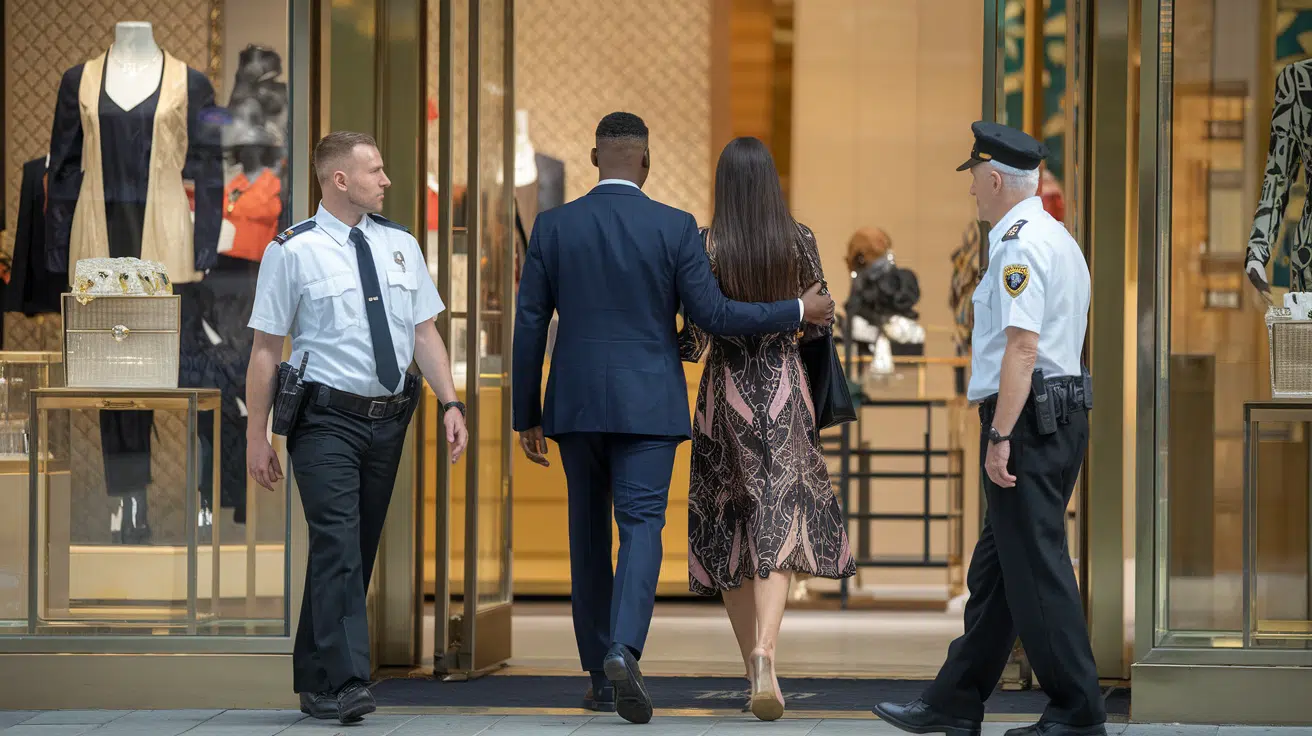
Racism in Luxury Stores: Study Shows That 18% of Black Consumers Have Been Followed or Searched, and 52% Abandoned Purchases Due to Discrimination Situations
An investigation conducted by L’Oréal in partnership with Estúdio Nina revealed alarming data about the racism faced by Black customers from classes A and B in luxury establishments in Brazil. The study highlighted that 90% of these consumers have experienced discrimination in these spaces, exposing the barriers faced even by those with high purchasing power.
Racism in Numbers: From Exclusion to Embarrassment
The research surveyed 350 Black consumers nationwide, revealing that seven in ten respondents feel constant discomfort in luxury retail spaces. Furthermore, 18% reported being followed or subjected to bag searches. These data reflect a pattern of racism ranging from subtle attitudes, such as suspicious glances, to openly discriminatory practices, such as the sealing of personal belongings.
Ana Carla Carneiro, co-founder of Estúdio Nina, explained that the main goal of the survey was to understand how racism manifests in the luxury beauty market. According to her, brands need to go beyond creating specific products for Black consumers and seek to implement profound changes in their communication and service strategies.
-
Two young inventors create a terracotta brick that uses water, air, and solar energy to cool cities, and the idea points to buildings that stop worsening urban heat.

-
Without power for millions, Madagascar receives a proposal for a floating hydroelectric plant inspired by the baobab that promises clean energy, greenhouses, and tourism, but still needs to be realized.
-
China has a giant rice terrace carved over 1,300 years in the mountains, with up to 3,000 terraces, 82 villages, and 445 km of canals, but the ancestral work that overcame droughts now faces growing tourism, landslides, and rural abandonment.

-
The largest Gothic church in Northern Europe began in 1248 to house the relics of the Three Wise Men, remained unfinished for centuries, and was only completed 632 years later, with steel, steam, and a German national campaign that turned the delay into a historical symbol.


“Black and White Codes”: An Ignored Bilingual Audience
According to the study, Black consumers represent 37% of classes A and B in Brazil. Despite this, many reported abandoning purchases due to negative experiences in stores. Among the participants, 52% walked away from purchases after encountering racism, while 54% avoided returning to the establishments. Another 29% opted to shop online to avoid embarrassment.
Ana Carla emphasized the economic potential of this audience, which she described as “culturally bilingual.” Black consumers are fluent in the dominant white cultural codes present in luxury environments, as well as in the Black codes that connect them to their roots. However, brands are not prepared to serve this audience inclusively. “What if stores also learned to navigate between these universes?”, questioned the expert, highlighting that this could expand the reach and relevance of companies.
Discrimination Devices: When Luxury Excludes
The survey identified 21 devices of racism present in the luxury market, revealing a pattern of exclusion that directly impacts the experience of Black consumers. Among the respondents, 56% stated that they felt they did not belong in the environment, while 58% reported that product prices were quoted even before they asked. Additionally, 57% perceived that their payment capability was questioned by staff.
Another concerning piece of data is excessive surveillance: 74% of participants reported feeling invasively monitored. There was also a recorded sentiment of inferiority, with 47% of respondents reporting that they had been treated like staff rather than customers.
One consumer summarized their experience by saying: “Even meeting all the requirements of a standard customer, such as wearing expensive clothes, using luxury perfumes, and having the latest smartphone, there are always looks that question my presence.”
The Future of Luxury: Exclusivity Without Exclusion
Eduardo Paiva, Director of Diversity, Equity, and Inclusion at L’Oréal Brazil, highlighted the importance of recognizing the impact of racism in the sector and promoting effective changes. According to him, the path to a more inclusive market lies in education and understanding the dynamics of exclusion.
“The luxury of the future needs to be exclusive, but never exclusive,” Paiva stated, reinforcing that only joint efforts between brands, sellers, and consumers can transform the shopping environment into truly welcoming spaces.
A Market That Needs to Evolve
The results of the survey “Racism in the Luxury Beauty Retail” reveal that the exclusion of Black consumers in high-end stores is not just a matter of prejudice, but also a strategic error. By neglecting an audience with high purchasing power and cultural wealth, these brands miss the opportunity to tap into a market that could significantly boost their sales and enhance their reputation.
Transforming the sector requires more than advertising campaigns: it demands a genuine commitment to inclusion. Recognizing and valuing Black consumers is not only an ethical issue, but also a business opportunity that can redefine standards of exclusivity in the luxury market.


Be the first to react!