






 Portuguese
  Spanish


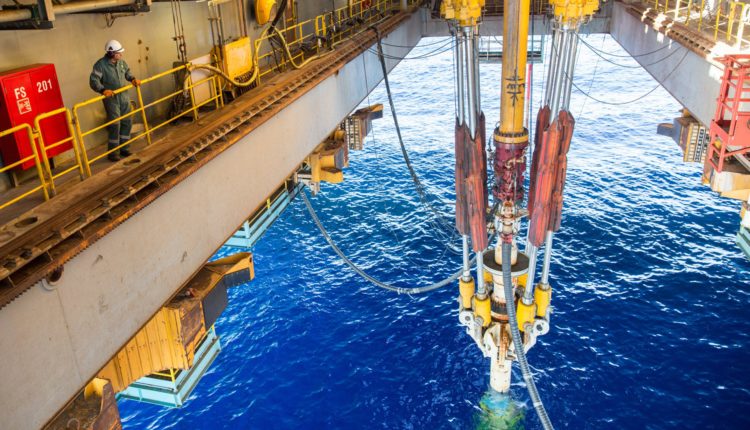

About 40 Billion Liters of “Oil Water” Are Generated Daily. It Would Be Possible to Generate 8 Billion Liters of Methanol and 50 Million Liters of Ethanol.
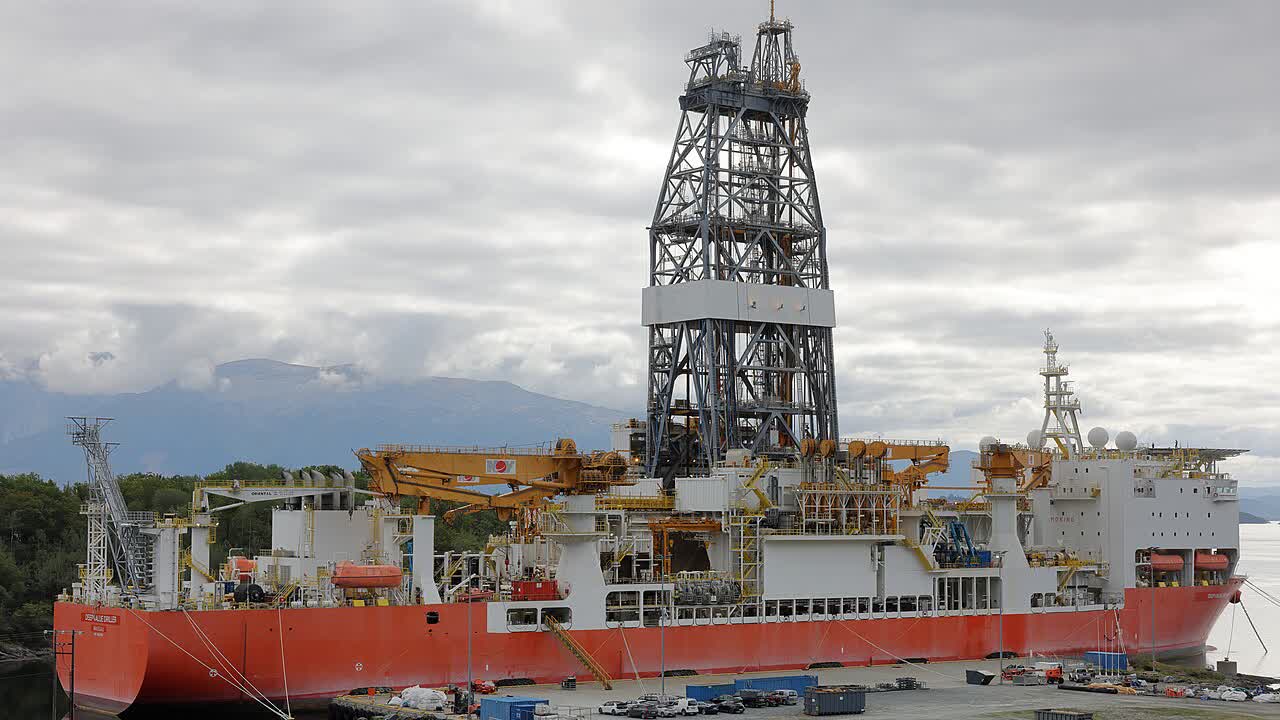
The Brazilian researcher, Juliana Ferreira de Brito, managed to transform one of the waste products from oil production, called oil water, into ethanol and methanol. The discovery brings economic, social, and environmental benefits. Understand how a drillship operates and how it is possible to reach underwater oil wells
Read Also
- Locar Opens New Offshore Selection Process; On This Day, The Vacancies Are For Maritime Workers
- Selection Process at Powerful Shell Calls All Young High School Professionals from Rio
- New Selection Process by Líder Aviação Demands Many Job Vacancies for Rio de Janeiro, Macaé, and Other Regions
The focus of Juliana’s doctoral thesis at Unesp (São Paulo State University) was to discover a clean way to treat oil water, reducing the carbon dioxide (CO2) generated in this process. And, at the same time, obtain ethanol, a fuel that emits fewer pollutants.
-
OPEC+ Boosts Oil Supply by 188,000 Barrels per Day in July 2026, Leading to Price Drop from $112 to $89 per Barrel in Under Two Months

-
TotalEnergies Signs 20-Year Deal to Purchase 2 Million Tons of LNG from Alaska, Boosting Project Viability
-
Turkey Deploys Çağrı Bey Drilling Ship to Explore New Oil Frontier Off Somalia’s Coast
-
Golden Pass LNG Ships First Liquefied Gas Cargo from the U.S., Completing $10 Billion QatarEnergy and ExxonMobil Investment


In addition to ethanol, the researcher also managed to develop methanol, a more restricted fuel due to its toxicity upon contact with skin or when consumed.
According to the ANP, the technical name for “oil water” is process or production water, which is injected into the oil reservoir to force the oil out of the rock.
In the research conducted by Juliana, the experiments were divided into two compartments, but carried out in the same reactor, which reduces energy consumption.
In the first compartment of the reactor, she was able to treat 70% of the most resilient contaminant found in the composition of oil water, an aromatic compound known as benzyl alcohol. For every 100 liters of oil water, 70 are treatable.
Juliana states that “This water cannot be reused for consumption, but it can be reused in the oil extraction process itself, without needing to take new seawater. The water can be treated on the platform and reused, in a closed cycle, without using more water. Oil water is very toxic; it is complicated to just dilute it in seawater and discard it.”
The reduction of CO2 for fuel production occurred in the other compartment of the reactor. It was possible to generate 20 liters of ethanol and 1.3 of methanol from 100 liters of water.
For the researcher, the only way to spark the industry’s interest in treating the waste before disposal is to provide an economically attractive destination for it.
“The industry will not reduce production; there is no way to view waste today as a villain that we can manage not to produce. We have to see waste as a source for something else. The goal is to achieve something economically and socially interesting from an unavoidable waste,” said Juliana.
“The industry is not interested in treating waste when it is only costly and generates nothing in return. But the sugarcane and alcohol industry has achieved something interesting: the bagasse, which is the waste produced, is burned to generate energy. For the industry, waste must have some economic return,” said the researcher, citing the alcohol industry that profitably uses its waste.
About 40 billion liters of “oil water” are generated daily. If all this amount were utilized, it would be possible to treat 28 billion liters daily and generate 8 billion liters of methanol and 50 million liters of ethanol.








