





 Portuguese
  English
  Spanish
  3 min of reading
  0 comments



The University of Virginia Developed a 3D Concrete with Greater Strength and Lower Environmental Impact. Discover How This Technology Promises to Revolutionize Sustainable Construction and Reduce Carbon Emissions!
A notable advancement in the field of 3D printed concrete was recently achieved by researchers from the University of Virginia. With the introduction of a more sustainable cementitious composite, this new concrete promises to transform construction practices and drastically reduce environmental impact.
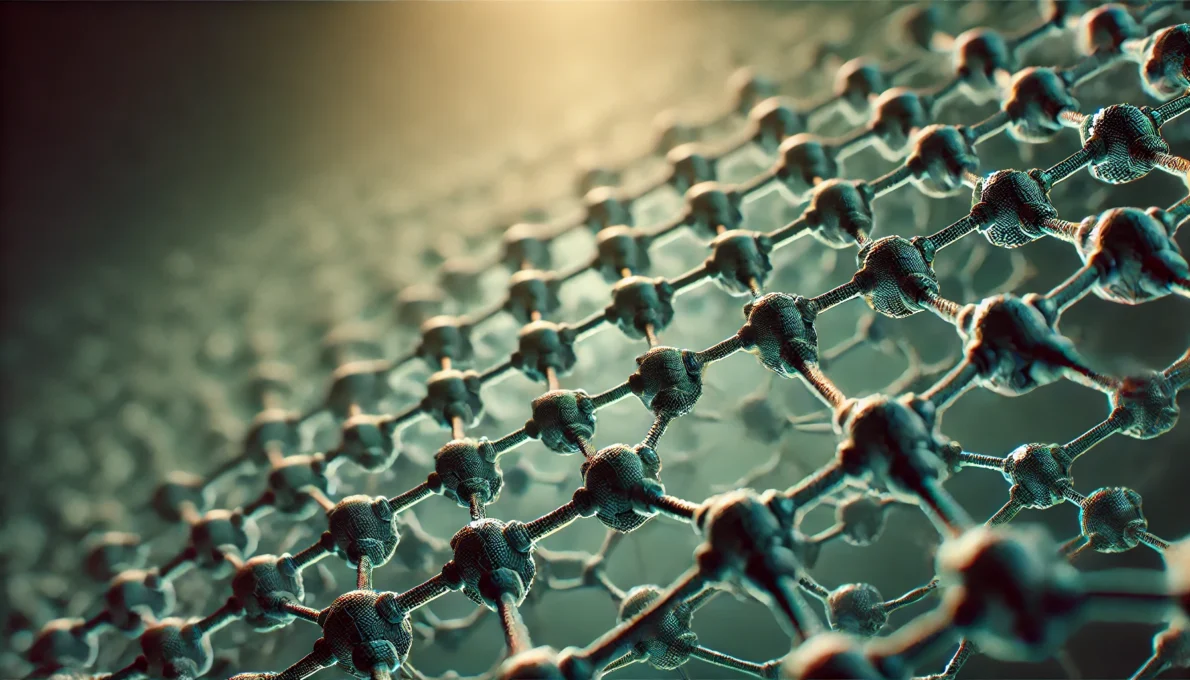
The innovation combines graphene with limestone and calcined clay cement (LC2), offering a high-strength and durable alternative while significantly cutting carbon emissions.
Why Is This Advancement Important?
3D printed construction has already been explored as a fast and efficient solution, but faced criticism for its high environmental impact. The creation of this new material provides a direct response to these challenges, allowing 3D construction to be more sustainable and less harmful to the environment.
-
In Brazil, students from IFRN create a mini-plant that crushes construction debris, transforms construction waste into cement blocks, and wins an international prize from Samsung with a sustainable solution in the interior of Rio Grande do Norte.

-
Scientists mixed hydrocarbons with a gold leaf, subjected them to pressure greater than that of the Earth’s mantle and heat above 1,900 °C, and ended up accidentally discovering a new compound of gold and hydrogen.

-
Scientists discover a giant crocodile that lived millions of years ago, measuring over 8 meters, which reigned in the rivers of ancient Kenya and could hunt early humans near the water.
-
After four years under investigation by Cade, Apple indicates that it is willing to negotiate an agreement to enable contactless Pix payments without charges on iPhones, as revealed by Lauro Jardim’s column in the newspaper O Globo in this competition dispute.





Professor Osman Ozbulut from the UVA Department of Civil and Environmental Engineering explained that the main objective was to design an eco-friendly and efficient concrete suitable for modern construction demands. “The addition of graphene to LC2 cement offers a unique opportunity to reduce carbon emissions while maintaining the necessary strength and flexibility for 3D printed construction,” Ozbulut stated.
How Does the Material Work?
The study, led by academics Tuğba Baytak and Tawfeeq Gdeh from UVA’s Advanced and Resilient Infrastructure Laboratory, analyzed the flow properties, mechanical performance, and environmental impacts of the new concrete.
The incorporation of graphene, a material known for its strength and lightness, was essential for improving the structure of LC2 cement and enabling its application in 3D printing.
This combination results in a durable, lightweight, and efficient material for projects that seek sustainability without compromising quality.
Life Cycle Assessment (LCA)
A crucial part of the research was the Life Cycle Assessment (LCA), conducted by postdoctoral researcher Zhangfan Jiang and Professor Lisa Colosi Peterson.
The assessment revealed that graphene-enriched LC2 concrete could reduce greenhouse gas emissions by about 31% compared to conventional concrete used in 3D printing. This finding emphasizes the potential of the new material for environmentally friendly construction practices.
“It not only displays better mechanical performance but also has a lower environmental impact, making 3D concrete construction technology more sustainable,” Jiang highlighted.
Colosi Peterson also commented on the importance of developing technologies that drive construction toward a greener and more efficient direction.
Applications and Collaboration with the Virginia Transportation Research Council (VTRC)
The partnership between UVA and the Virginia Transportation Research Council (VTRC) expanded the possibilities for the application of LC2 concrete.
With the support of VTRC, researchers were able to explore the material’s potential in transportation infrastructure projects such as bridges and roads.
For Gdeh, the collaboration was essential for the project’s success. “The partnership with VTRC was crucial for us to discover the properties of the concrete and its practical application,” he explained.
This cooperation allowed the UVA team to test the material in real-world situations, demonstrating that it can be both a sustainable and economically viable solution.
Advantages of Concrete with Graphene and LC2 Cement
- Reduction of Carbon Emissions: A significant decrease of up to 31% in greenhouse gas emissions.
- Enhanced Durability: Graphene strengthens the concrete, increasing its resistance and durability.
- Sustainability: A more eco-friendly material suitable for large structure construction.
- Flexibility and Application in Infrastructure: Ideal for transport and construction projects requiring high resistance.
This new concrete, the result of collaborative efforts between academics and research institutes, represents a significant evolution in the field of sustainable construction. With proven advantages in durability and emission reduction, it stands out as a promising option to meet infrastructure needs more consciously and ecologically.
The researchers plan to expand the use of the material, hoping that the construction sector will embrace technologies that combine efficiency and sustainability.


Be the first to react!