





 Portuguese
  English
  Spanish
  2 min of reading


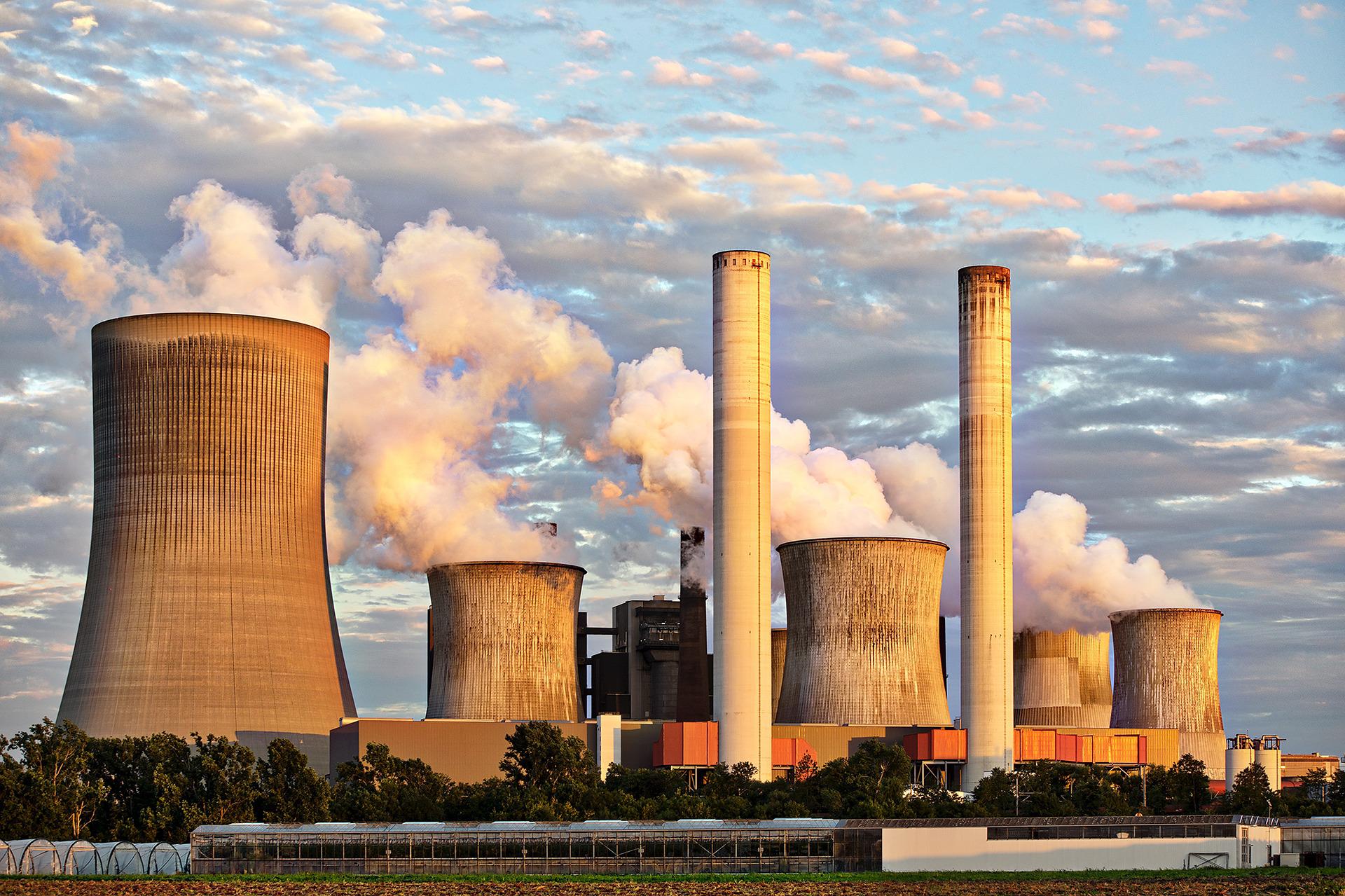
Researchers in Japan Are Working on a New Carbon Capture Method That Promises to Be Much More Efficient and Faster
Seiji Yamazoe, a professor at Tokyo Metropolitan University (TMU), leads a team of researchers that has developed a method of carbon capture that removes carbon dioxide directly from the atmosphere. In a statement to the press, the researchers stated that the method has an efficiency of 99%.
Yamazoe’s team has been working on a liquid-solid phase separation system to capture carbon directly from the atmosphere. The system operates like a liquid DAC, where the gas is bubbled through a liquid solution, and instead of being trapped in the solution, the chemical reaction causes the trapped carbon to become insoluble and exit the solution as a solid.
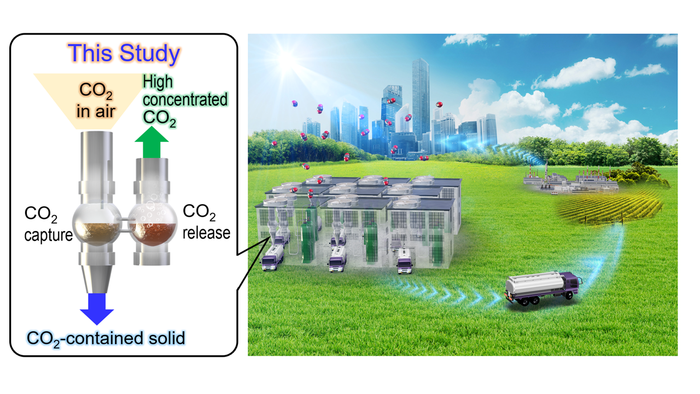
Direct Carbon Dioxide Capture from the Air
Environmentalists hope that researchers can develop cheap and efficient technologies to avoid a climate catastrophe. To curb the amount of carbon dioxide released into the atmosphere, many strategies are being applied, with direct air capture (DAC) being one of the most promising.
-
In a historic decision, Aneel regulates the use of batteries in the Brazilian electrical system and lays the groundwork for large-scale energy storage, reducing waste, enhancing energy security, and attracting new billion-dollar projects.

-
Brazilian researchers develop a catalyst made with abundant metals that increases the efficiency of green hydrogen production and can replace expensive materials, creating a promising alternative to expand the use of clean energy worldwide.
-
New Fiat EV, priced at R$ 77,000, will bring a reinterpretation of the 147 and a consumption equivalent to 70 km/l.

-
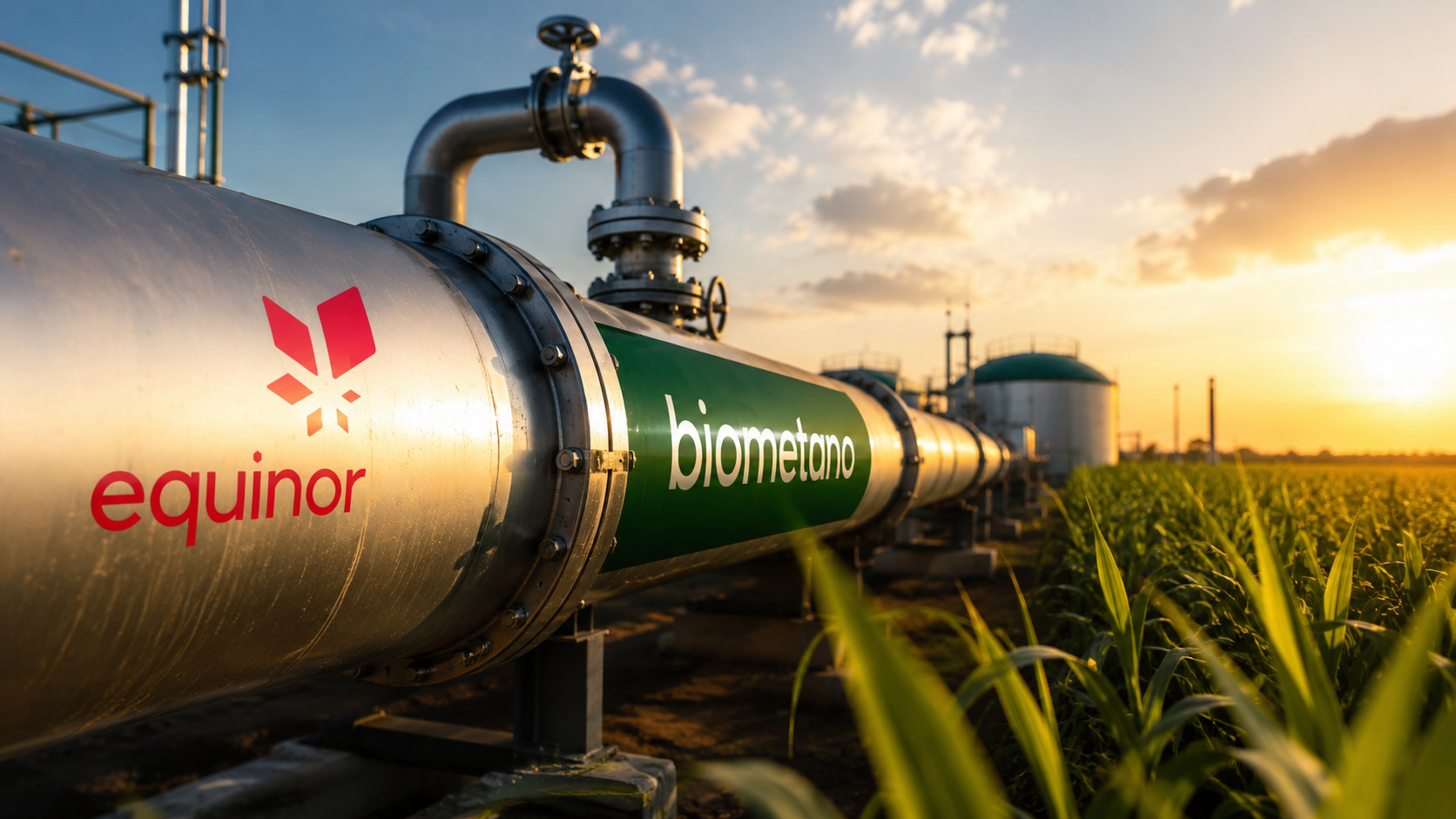
With R$ 17.2 million, Equinor expands strategic sugarcane biomethane project and boosts innovation that can convert Brazil’s agricultural potential into a new source of high economic value renewable energy.

According to the International Energy Agency, captured carbon can be used in food processing or even in the production of synthetic fuels.
There are two main approaches to carbon capture. One approach is called ‘liquid DAC’, where air passes through liquid systems, generating a chemical reaction between a liquid solution and carbon dioxide, and this is trapped in the solution.
The other approach is called ‘solid DAC’, which uses solid filters that react with carbon dioxide and bind it to them. Both systems are reversible, meaning that the retained carbon dioxide can be released using high temperatures when necessary.
Solution for the Environment
Nowadays, direct air capture is one of the few technology options available to remove CO 2 from the atmosphere. This technology is the hope of many scientists who wish for the amount of carbon released into the atmosphere to be equivalent to the amount removed. Some sectors, such as aviation and industry, are much harder to decarbonize. Carbon removal technologies like DAC can be an important part of the set of technology options used to achieve climate goals.
Currently, several decarbonization systems are being implemented around the world; the problem is the loss of efficiency of the equipment used in these systems over time.







Be the first to react!