






 Portuguese
  Spanish




One of the Biggest Gas Discoveries in History Was Made by Petrobras. With the Potential to Triple Reserves, the Well Promises to Revolutionize the Energy Sector.
It is in the depths of the Caribbean Sea that Petrobras has just taken a transformative step in natural gas exploration.
The Sirius-2 offshore well, located about 77 kilometers off the Colombian coast, has brought to light an impressive volume of gas that could redefine Colombia’s energy future.
This discovery, announced in December 2024, is already considered one of the most important in recent history, but there is much more behind this operation than billion-dollar figures.
-
Payment Infrastructure Expert Highlights Diverse Realities in Latin American E-commerce, with Card Usage Ranging from 89% in Ecuador to 50% in Colombia

-
Petrobras Begins Drilling Controversial Oil Well in Brazil’s Equatorial Margin Near the Amazon River Mouth

-
Brazil’s Central Bank’s Tight Monetary Policy Risks Stifling Both Production and Demand Amid High Inflation and Fiscal Imbalance
-
Petrobras Sets Record with 2.66 Million Barrels Per Day in Brazil’s Pre-Salt Oil Production

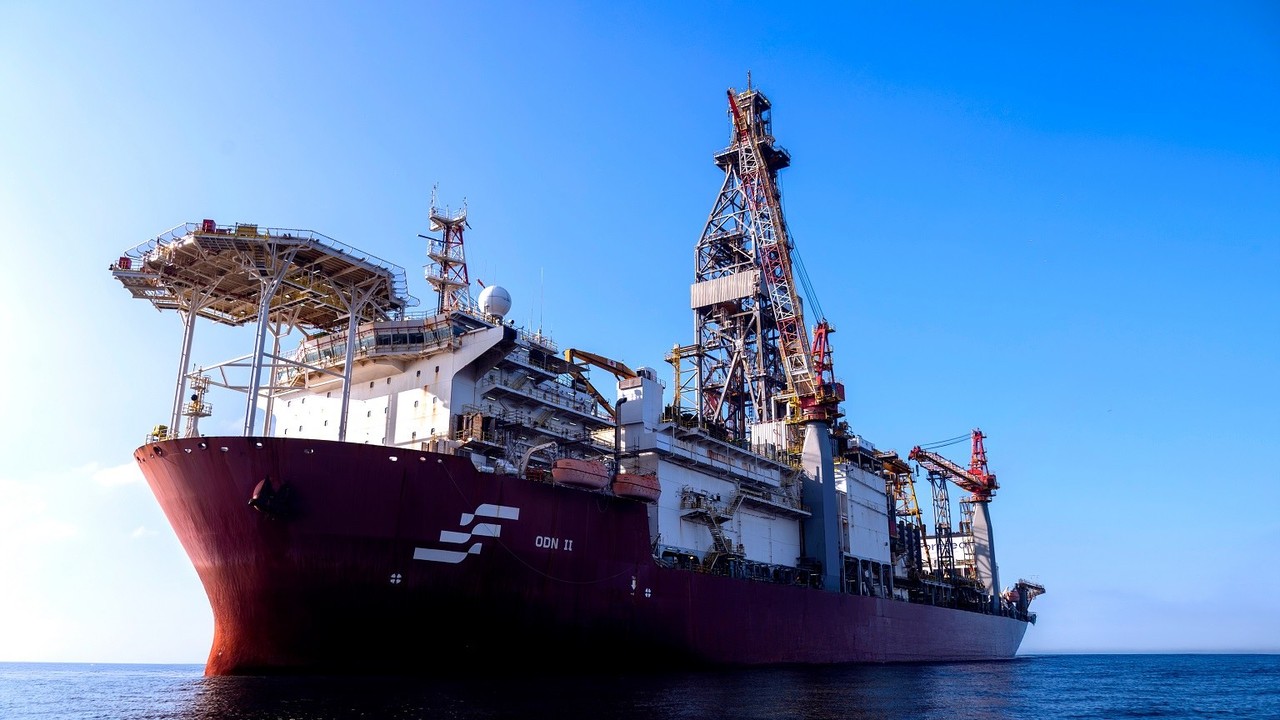


The drilling of the Sirius-2 well, which began in June 2024, confirmed volumes exceeding 6 trillion cubic feet of natural gas in place, according to an official statement from Petrobras.
This quantity has the potential to triple Colombia’s current reserves, a country that today relies on imports to meet part of its energy needs.
Located in a water depth of 830 meters, the well is being explored by a consortium formed by Petrobras, which holds 44.44% of the block, and Ecopetrol, the Colombian state-owned company that owns the remaining 55.56%.
The discovery is more than a technical achievement — it represents a landmark for Colombia’s ambitions to achieve energy self-sufficiency in the coming years.
Furthermore, natural gas is one of the least polluting alternatives among fossil fuels, which aligns this discovery with global energy transition efforts.
Billion-Dollar Investment and Technological Innovation
To make production viable, the consortium plans to invest US$ 1.2 billion in the exploratory phase and an additional US$ 2.9 billion for production development.
These amounts are directly related to the use of advanced technologies.
One of the highlights of the project is the “subsea to shore” model, which allows for the extraction and transportation of gas directly from the seabed to the shore, eliminating the need for large offshore platforms.
The plan foresees gas production through four wells, with an estimated daily capacity of 13 million cubic meters, enough to meet a significant portion of the country’s gas demand over the next decade.
According to Petrobras, implementing this technology involves a series of detailed environmental and geotechnical studies.
Data such as bathymetry (measuring ocean depth) and seabed characteristics will be essential for the installation of pipelines and gas treatment units on land.
The Impact for Colombia
For Colombia, this discovery represents a unique opportunity to redefine its energy matrix.
Currently, the country faces significant challenges related to natural gas imports, which drives up costs and makes access to cleaner and more efficient energy difficult.
With the start of production at Sirius-2, the expectation is that Colombia will not only become self-sufficient but also position itself as a gas exporter to other countries in Latin America.
This change has the potential to strengthen the local economy, create jobs, and attract new investments in the energy sector.
Moreover, the discovery solidifies the partnership between Petrobras and Ecopetrol as one of the most important in recent history of the region’s energy sector.
The Role of Petrobras
Petrobras is globally recognized for its expertise in exploring resources in deep and ultra-deep waters.
This particular project aligns with the 2025-2029 Business Plan, which aims to expand international operations and invest in cleaner energy sources.
For the Brazilian state-owned company, Sirius-2 also represents an opportunity to increase its competitiveness in the global market, especially at a time when pressures for sustainability and energy efficiency are growing.
Furthermore, the operation reinforces the importance of Petrobras’s strategic presence in Colombia, a country that has been consolidating itself as an important hub for hydrocarbon development in South America.
When Does Production Start?
Although the discovery is a reason for celebration, there is still a path to be followed before gas from Sirius-2 reaches consumers.
Petrobras estimates that production will begin in three years, after obtaining all environmental licenses and completing feasibility studies.
If timelines are met, the project should be fully operational by 2027, providing natural gas consistently and with controlled environmental impact.
What to Expect for the Future?
The discovery of Sirius-2 marks a new chapter for Petrobras, Colombia, and the Latin American energy sector as a whole.
It demonstrates how technological innovation and international cooperation can drive strategic projects with long-term economic and environmental benefits.
However, the success of the project will depend on efficient management and a balanced approach between economic exploration and social-environmental responsibility.
With so much at stake, the question remains: will gas from Sirius-2 be the turning point for the energy future of Colombia and Petrobras?


