Portuguese
  Spanish


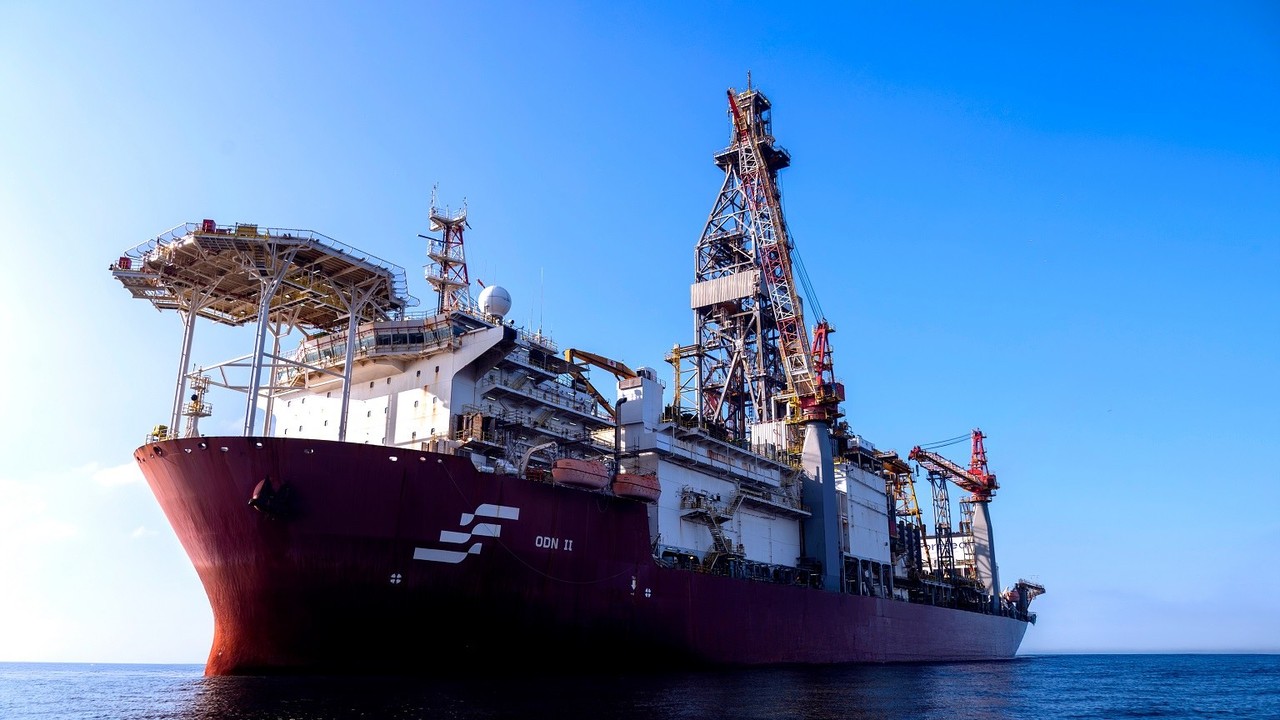

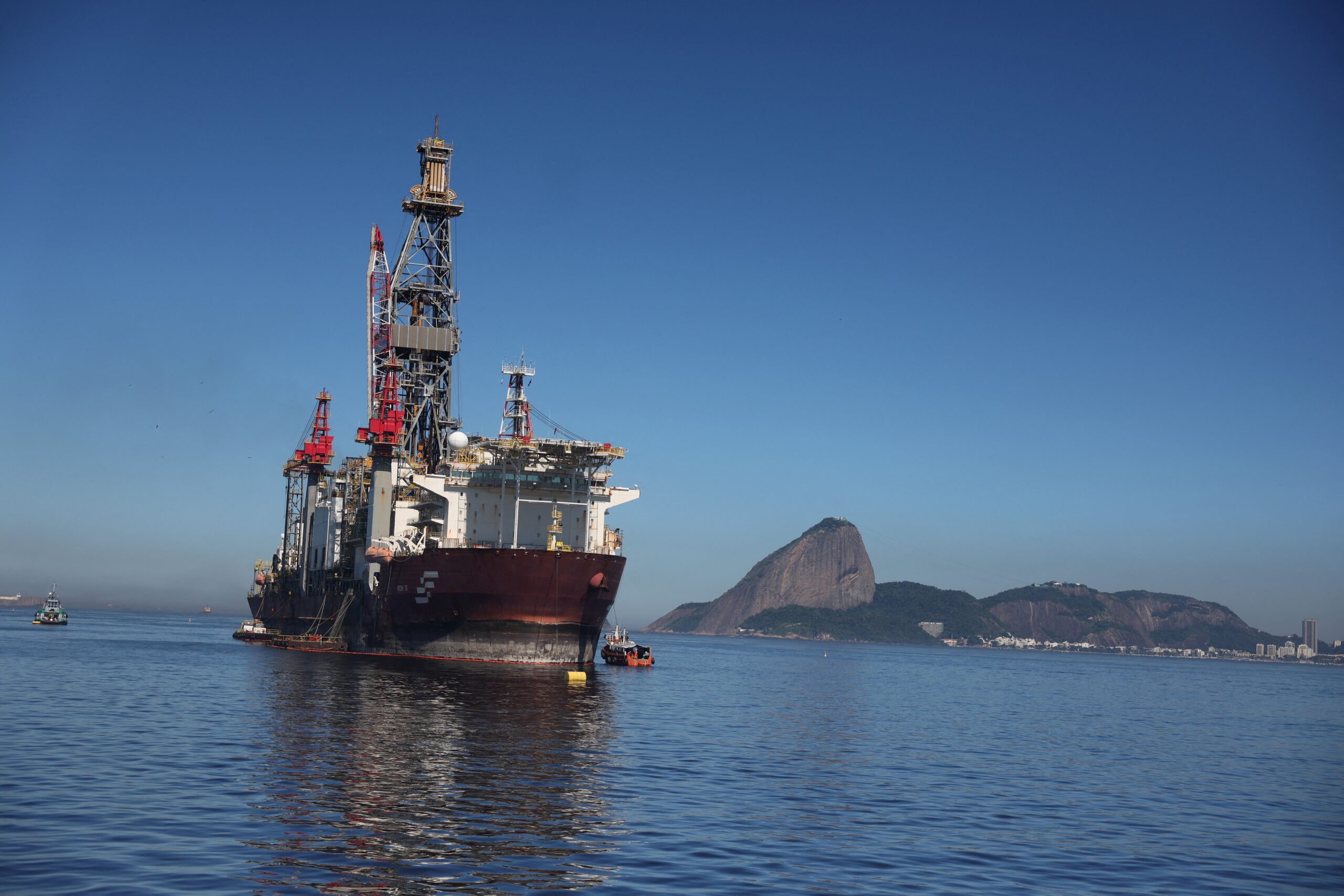
Petrobras has begun drilling the most anticipated and controversial well in its recent history: the first exploratory well in the Equatorial Margin, in the Amazon River Mouth region, off the coast of Amapá. The operation takes place in block FZA-M-059, about 500 kilometers from the mouth of the Amazon River and 175 kilometers from the coast, in deep waters, using the NS-42 rig. The drilling was only authorized after the company obtained an environmental license from Ibama, a process that took years and divided the government.
It is Petrobras’ highest bet for the future. The Equatorial Margin, an ocean strip from Amapá to Rio Grande do Norte, is considered the new frontier of Brazilian oil, with geology similar to that of neighboring Guyana, where ExxonMobil found billions of barrels. What is at stake is discovering if Brazil has, there, a second wealth the size of the pre-salt.
What is the Equatorial Margin
The Equatorial Margin is the name given to the portion of the Brazilian sea in the extreme north of the country, which shares a maritime border with Guyana and Suriname. Geologists point out that this region may hold large volumes of oil, precisely because it has characteristics similar to the basin that turned Guyana into one of the world’s largest emerging producers in a few years.
-
Petrobras Sets Record with 2.66 Million Barrels Per Day in Brazil’s Pre-Salt Oil Production

-
Petrobras to Double Natural Gas Supply in Northeastern Brazil with New Investment
-
Petrobras Approves $1.2 Billion Refinery in Brazil to Produce Aviation Fuel and Diesel from Plants
-
Petrobras Secures $2.2 Billion Contract to Build and Operate Four Support Vessels for Brazil’s Offshore Oil Fields


The Amazon River Mouth basin is the most coveted area of this frontier. That’s why drilling this first well is so important: it will practically determine if there is oil in commercial quantities where studies indicate potential. The well is only exploratory, meaning it serves to research and confirm the existence of oil, without authorization to produce.
The license that stalled for years
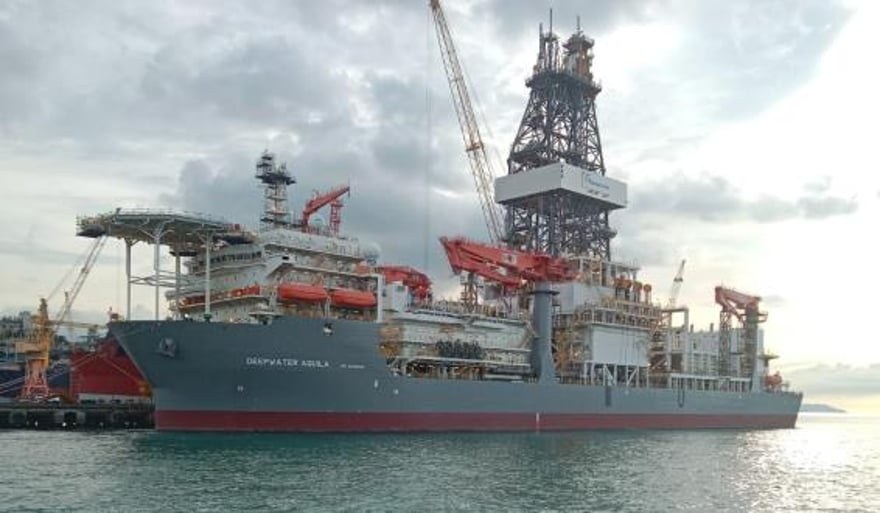
The release was one of the most disputed environmental processes in recent times. Ibama had previously denied the license, citing flaws in the wildlife protection plan and the risk of a spill in a sensitive region, near the coast and areas of great biodiversity. Only after new studies and adjustments presented by Petrobras did the agency conclude that the requirements had been met and authorized the drilling.
The decision was made, but restricted to the research phase. The drilling is estimated to last around five months, and the rig is already positioned at the exact point of the well. If oil is found, any potential production would depend on new licenses, studies, and investments, over a horizon of years.
The issue is sensitive because it involves the Amazon.
The environmental controversy
Exploration in the Amazon River Mouth pits economic bets against environmental concerns. On one side, Petrobras and part of the government argue that oil from the Equatorial Margin could guarantee billions in revenue, jobs, and energy security for the country in the coming decades. On the other, environmentalists warn of the risk of an accident in a region with strong currents and fragile ecosystems, and question new investments in fossil fuels amid the climate crisis.
The controversy gained extra weight because of the calendar. Brazil hosted the UN climate summit, and critics point out a contradiction between leading the environmental agenda and opening a new oil frontier in the Amazon. The government, in turn, argues that researching is not the same as producing, and that the country has the right to assess its potential.
What’s at stake
The outcome of this well will have an impact far beyond Amapá. If Petrobras confirms a major discovery, the Equatorial Margin could become the new engine of Brazilian production in the following decades, helping to offset the potential future decline of the pre-salt. It would be a strategic turnaround for the company and the country’s finances.
If the well comes up dry, enthusiasm cools, and the discussion about the environmental cost of exploring the region loses strength. That’s why all eyes in the energy sector, financial market, and environmental movement are focused on the seabed off Amapá in the coming months.
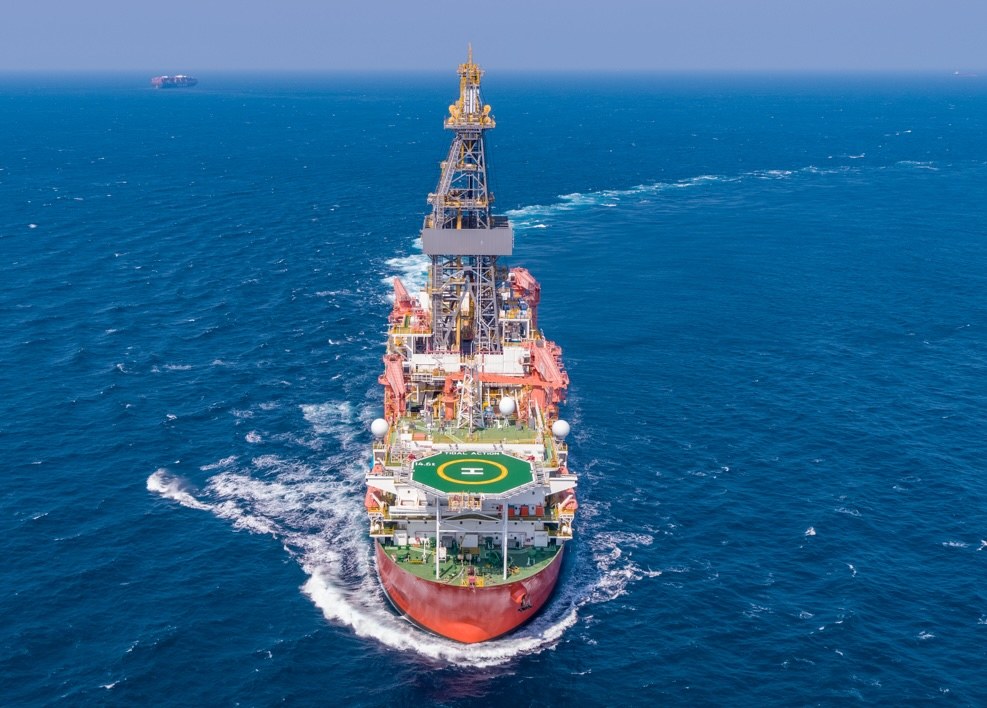
For now, Brazil awaits the answer that only drilling can provide. The NS-42 rig works silently hundreds of kilometers from the coast, and its result will define the course of one of the country’s biggest energy and environmental decisions. According to Agência Brasil and Agência Petrobras, the operation will be closely monitored by Ibama throughout the exploratory phase.