Portuguese
  Spanish


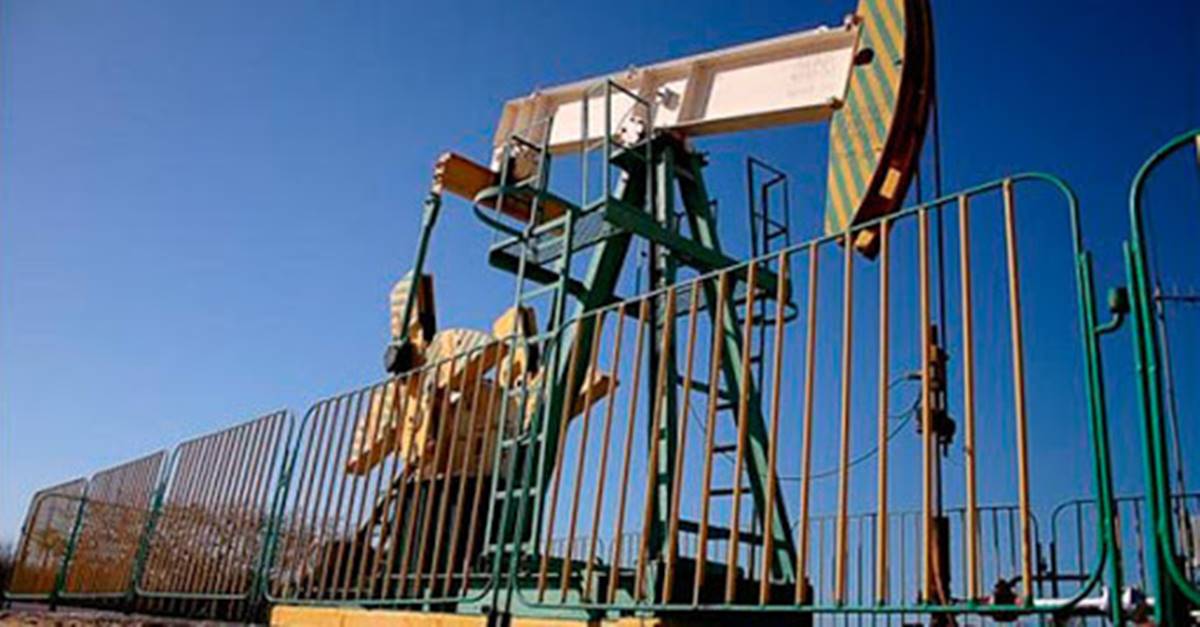

Petrobras Clarifies, “There Is a Difference Between the Hibernation of an Asset and Temporary Production Stoppage. Hibernation Does Not Provide for a Short-Term Return to Production
Petrobras issued a statement on the afternoon of this day (26) regarding information reported in the press that the company would be resuming activities at land fields that had been hibernated. Petrobras Wants to Sell All Its Stake in Braskem by Next Year
Read Also
- Angra 3 Nuclear Power Plant Does Not Need International Financial Support to Be Built, Says President of Eletronuclear
- SBM Offshore Begins Fabrication of the Topside of FPSO Mero 2 at EBR Shipyard in Rio Grande do Sul
- Eneva Begins Drilling a New Oil Well in Maranhão
Petrobras clarifies that there has been no decision to hibernate land fields. Therefore, the information that Petrobras’s board “reversed and suspended” the hibernation of such fields is false. There is no way to reverse a decision that was not originally made, Petrobras stated in a note.
-
OPEC+ Boosts Oil Supply by 188,000 Barrels per Day in July 2026, Leading to Price Drop from $112 to $89 per Barrel in Under Two Months

-
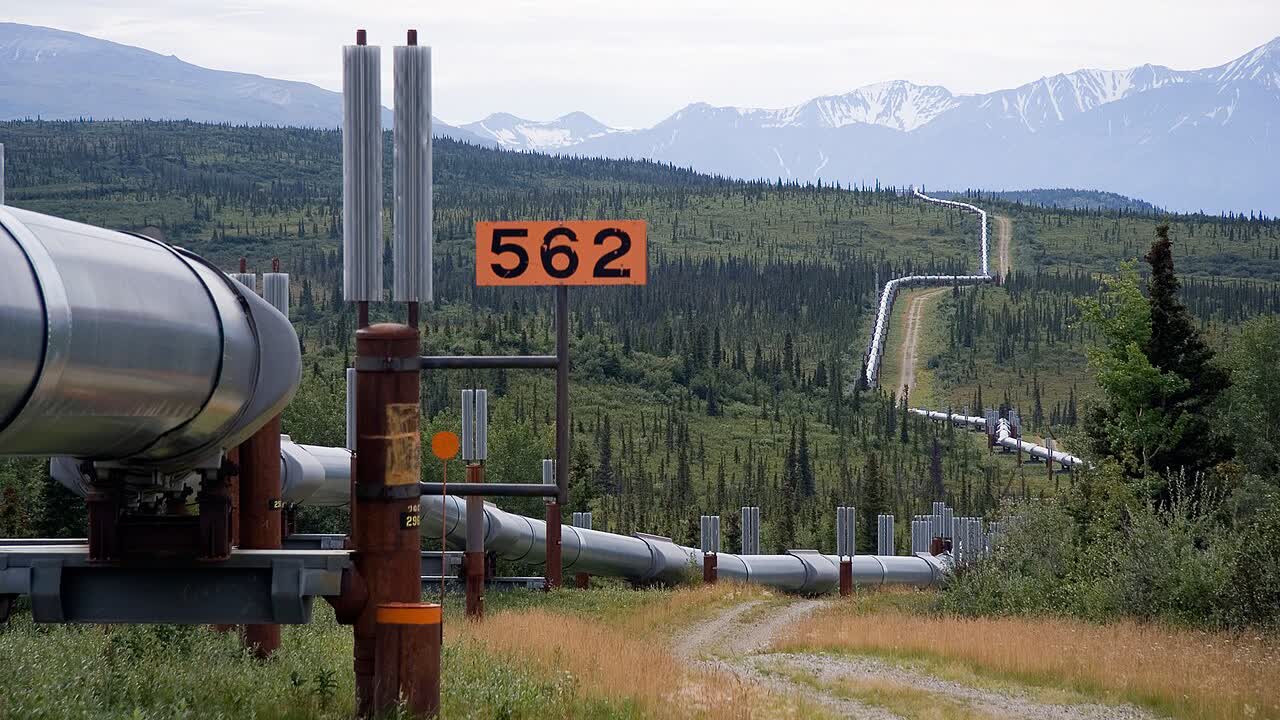
TotalEnergies Signs 20-Year Deal to Purchase 2 Million Tons of LNG from Alaska, Boosting Project Viability
-
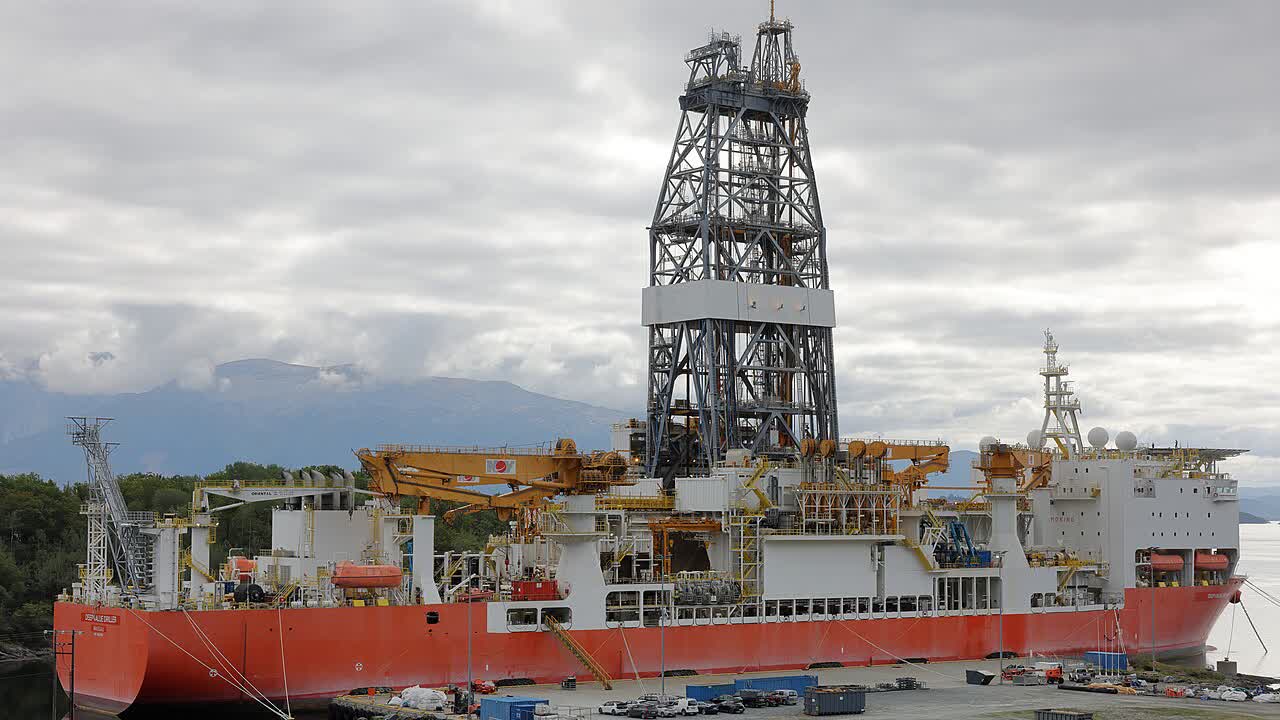
Turkey Deploys Çağrı Bey Drilling Ship to Explore New Oil Frontier Off Somalia’s Coast
-
Golden Pass LNG Ships First Liquefied Gas Cargo from the U.S., Completing $10 Billion QatarEnergy and ExxonMobil Investment

The state-owned company reported that the hibernation decision, announced to the market on 26/3, only covers 62 platforms in shallow waters, in the Campos, Sergipe, Potiguar, and Ceará basins.
These units do not have the economic conditions to operate with low oil prices. The company also highlights that 80 percent of these platforms are uninhabited and that no Petrobras worker has been laid off due to hibernation. All employees were reassigned to other areas of the company.
Currently, the state-owned company operates 168 land fields, where in the first quarter of this year, production totaled 114,000 barrels of oil per day, of which 14 fields had production temporarily suspended to ensure the safety of workers in light of the pandemic and also due to low oil prices.
However, the company claims that this is not hibernation. The suspended production corresponds to about 200 barrels per day in Petrobras’s oil production, or 0.01% of the company’s total production.
Petrobras clarifies, “There is a difference between the hibernation of an asset and a temporary production stoppage. Hibernation does not provide for a short-term return to production and, thus, requires a series of equipment conditioning procedures to ensure the unit can remain safely inactive for a long period of time”.
“On the other hand, procedures for temporary stoppage leave the unit prepared for a more immediate return to production, if there is viability for that. In both cases, production is interrupted, and maintenance and conservation activities are maintained to ensure the security and integrity of the facilities”, concludes Petrobras.
Petrobras continues to permanently evaluate the economic results of its assets, which must prove to be profitable in light of the new scenario of low oil prices.
These economic results determine the decision to suspend production at fields, and therefore, additional interruptions may occur if deemed necessary.
The measures to protect the company’s cash flow adopted so far aim to preserve the sustainability of the company during what is the worst crisis in the oil industry in a hundred years. Petrobras’s actions align with what the entire global oil industry is doing to overcome the impacts of this crisis.