






 Portuguese
  Spanish


Discover How Petrobras Evaluates the Acquisition of Solar Farms to Reduce Costs and Make Its Operations More Sustainable.
The search for cleaner and more efficient energy sources has become a priority for companies in various sectors around the world. Therefore, in this scenario, Petrobras, one of the largest energy companies in Brazil, recently announced that it evaluates the purchase of solar farms to supply its units, including the subsidiary Transpetro.
The initiative aims to reduce energy costs and increase the sustainability of operations. The Energy Transition and Sustainability Board of the state-owned company is leading the project.
Historically, Petrobras has stood out for oil and natural gas exploration. Since its foundation, the company has focused on expanding fossil fuel production. That is, it was responsible for a large part of the Brazilian energy matrix throughout the 20th century.
-
Solar energy can increase property value by up to 10% and become a selling point.

-
Solar and wind energy surpass natural gas for the first time in the world and accelerate energy revolution

-
Africa has about 500,000 cell towers and most still burn diesel to operate, while companies rush to cover antennas with solar energy and avoid signal blackouts.
-
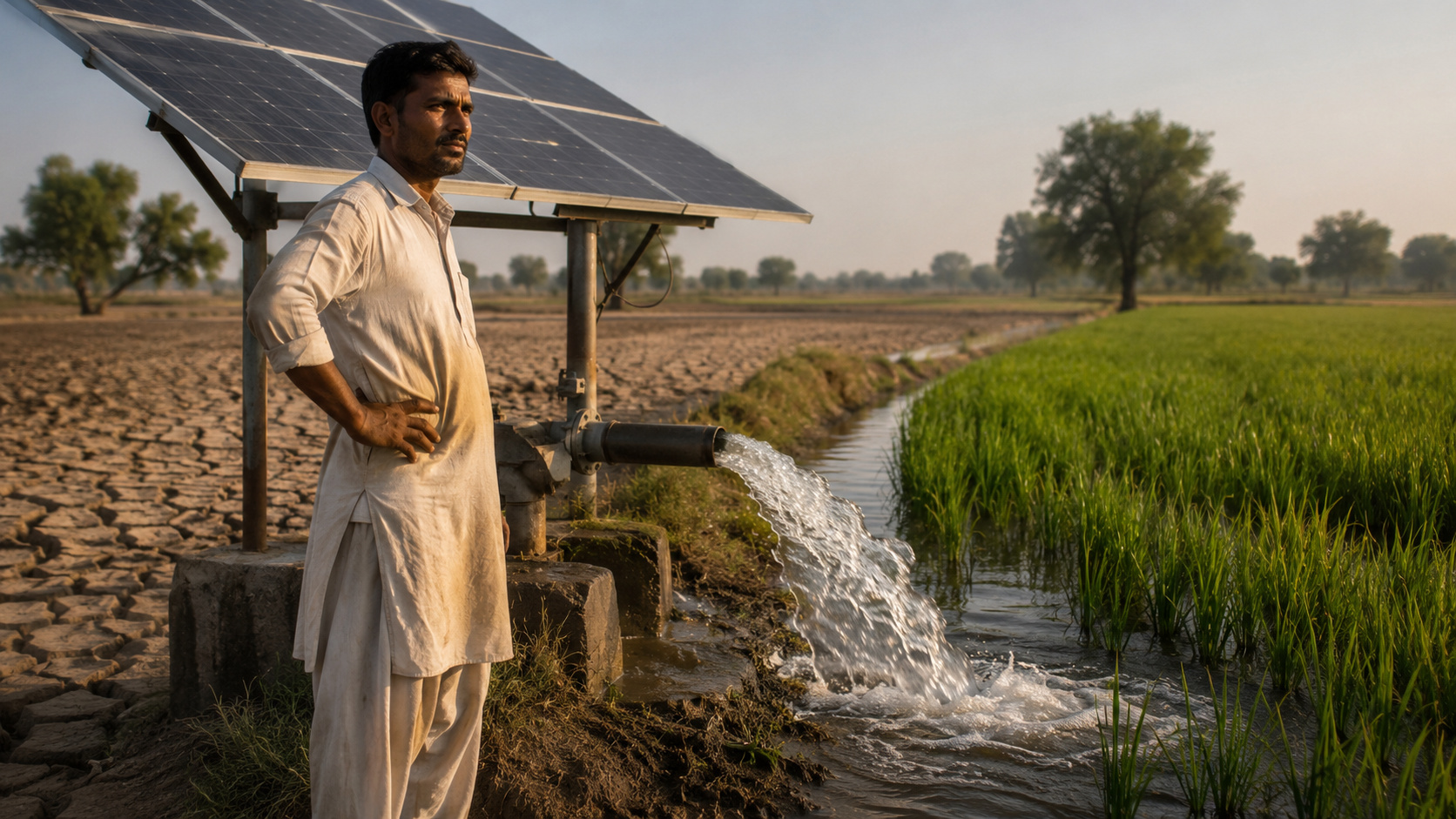
Farmers swapped diesel for solar panels in Pakistan, powered irrigation pumps almost cost-free, expanded rice fields, and now groundwater has become a red alert in the countryside.



However, in recent decades, in light of climate change, regulatory pressures, and economic opportunities, the state-owned company has begun to diversify its energy portfolio. Consequently, the study of buying solar farms reflects the trend of seeking renewable and more economical sources of electricity.
Brazil, with its privileged geographic location, has great potential for solar energy development. For example, regions such as the Northeast have high solar radiation levels nearly all year round, favoring the implementation of large-scale solar farms.
Thus, by taking advantage of these natural conditions, Petrobras can reduce costs and increase the predictability of energy production. An important factor for efficient management of its operations and long-term planning.
Expansion of Solar Energy at Petrobras
The president of Transpetro, Sérgio Bacci, stated that the company already operates terminals with solar energy in Guarulhos (SP) and Belém (PA) and that a new project is set to start in Coari (AM).
Moreover, the expansion of solar energy follows a strategic logic: many large global companies adopt their own solar farms to reduce electricity costs, ensure cost predictability, and demonstrate commitment to sustainable practices.
In the case of Petrobras, the demand for energy is immense, due to the operation of refineries, terminals, and exploration platforms.
However, the implementation of solar farms can still generate significant savings, especially during periods of high electricity tariffs or instability in the energy market.
Solar farms capture energy from the sun through photovoltaic panels and convert it into electricity. This way, the company can use this energy directly at its facilities or inject it into the electrical grid, depending on the plant’s capacity and local regulations.
Advanced battery storage allows generated energy to function at night or on cloudy days, increasing system efficiency.
In Brazil, the development of solar farms has grown rapidly in recent years, fueled by factors such as abundant sunlight, renewable energy incentive policies, and the need to diversify the energy matrix.
According to data from the National Electric Energy Agency (ANEEL), solar energy generation in the country has more than tripled in the last decade. Therefore, the sector continues to attract investments from major players, including private and state-owned companies.
The adoption of solar farms also allows Petrobras to participate in an expanding market.
In the future, it may sell surplus energy or integrate distributed generation programs. Consequently, this flexibility opens new business opportunities and strengthens the state-owned company’s position in a constantly transforming sector.
Economic and Environmental Benefits of Solar Farms
In addition to economic benefits, the adoption of solar farms brings environmental and social advantages. By reducing dependence on fossil fuels, Petrobras contributes to decreasing greenhouse gas emissions, thus aligning with international climate change mitigation goals.
Historically, the pressure for energy companies to adopt more sustainable practices increased after the Paris Agreement in 2015, when countries and corporations established carbon reduction commitments.
From an economic perspective, the costs of solar energy production have dropped significantly in recent years.
Technological advancements in photovoltaic panels, inverters, and storage systems have made solar farms more accessible and competitive compared to traditional energy sources.
Therefore, for companies like Petrobras, which consumes large volumes of electricity, the installation of their own solar farms generates significant savings over time, in addition to reducing vulnerability to price fluctuations in the electricity market.
Companies that invest in renewable energy also benefit in terms of image and corporate reputation.
In other words, contemporary society values organizations committed to sustainability, and investment in solar farms serves as an indicator of environmental responsibility and technological innovation.
Moreover, the social benefits go beyond environmental preservation.
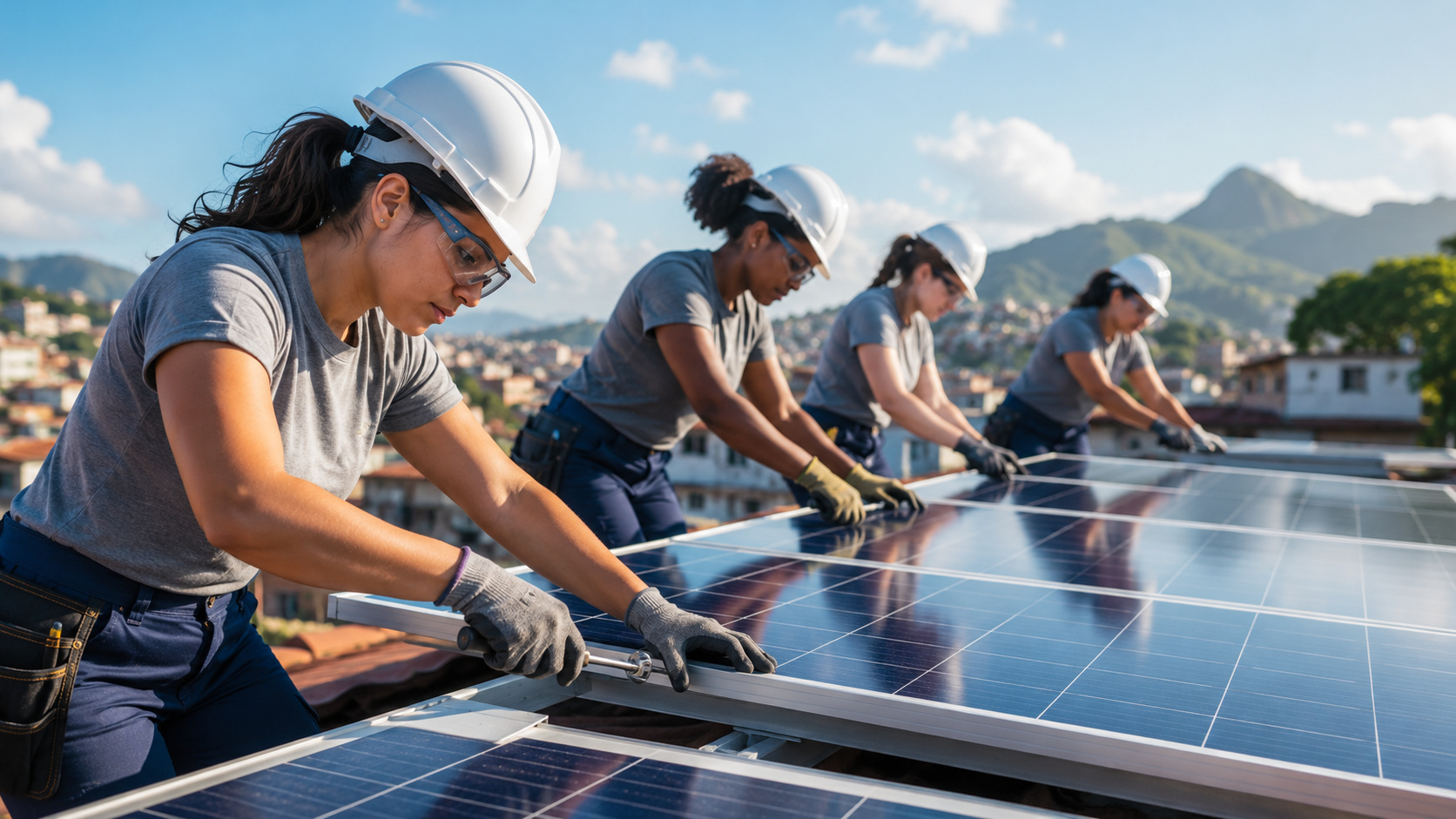
The construction and maintenance of solar farms create local jobs, encourage technical training, and contribute to the economic development of the regions where the parks are established.
Thus, the expansion of solar energy promotes positive impacts across multiple dimensions, strengthening the company’s relationship with society.
Historical Context of the Energy Matrix and Diversification
The expansion of solar farms in Brazil is part of a historical context of diversification of the energy matrix. For much of the 20th century, the country relied heavily on hydroelectric power and oil to meet demand.
The water scarcity and the volatility of international fossil fuel prices motivated the search for alternative sources, including solar and wind energy.
Today, solar energy stands out as one of the most promising, due to its ability to be implemented in different regions, its modularity, and the speed of installation.
In this sense, Petrobras, by studying the acquisition of solar farms, seeks to reduce costs and is part of a historical movement of modernization and energy diversification in Brazil.
The implementation of solar farms also demonstrates how large companies can lead the energy transition in the country.
As more players follow this path, solar energy becomes increasingly competitive and accessible, thereby benefiting large corporations, small businesses, and residential consumers.
It is important to note that while solar energy is promising, it does not meet all of Petrobras’s demand.
The state-owned company’s energy consumption is extremely high, especially in large-scale operations such as refineries and offshore platforms.
However, as Sérgio Bacci stated, the adoption of solar farms helps to reduce costs and improve energy efficiency, serving as a complement to other energy sources, both fossil and renewable.
Long-Term Strategy and Innovation
Additionally, the experience of implanting and operating solar farms generates strategic knowledge for Petrobras.
The company develops expertise in renewable energy management, solar park maintenance, and integration with the electrical grid, skills that are increasingly important as the world advances in the energy transition.
Consequently, this expertise can also be applied in future partnerships, energy self-production projects, and eventually in providing energy solutions to third parties.
The adoption of solar farms reflects Petrobras’s long-term vision, which prepares for a future where renewable sources will play a central role in the global energy matrix.
Investment in technology, innovation, and sustainability positions the company strategically to compete in both national and international markets, in an increasingly regulated sector focused on clean energy.
In summary, Petrobras’s study on the purchase of solar farms reflects a broad strategy for efficiency, sustainability, and innovation.
By investing in solar energy, the state-owned company reduces operational costs, meets environmental demands, diversifies its energy matrix, and aligns with global energy transition trends.
Historically, this decision represents a significant step in transforming from a fossil fuel-centric company to one more integrated with renewable sources.
The future of Petrobras, in this sense, may include a greater presence of solar farms, consolidating the role of clean energy in the Brazilian economy and strengthening the state’s position as a leader in the energy sector, both nationally and internationally.







Be the first to react!