Portuguese
  Spanish


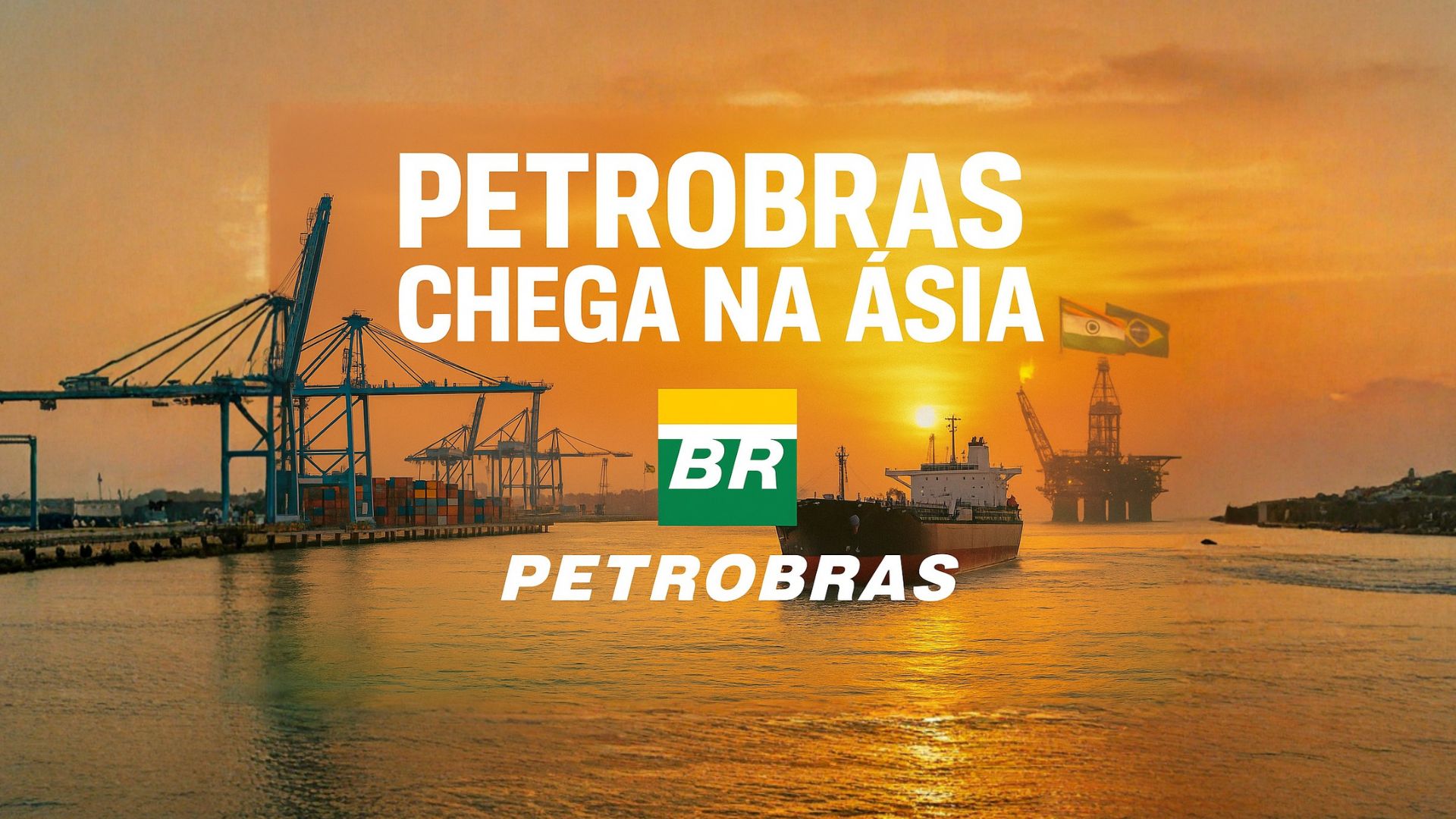

Petrobras Signed Historic Contract with India to Export 6 Million Barrels of Oil, Strengthening Brazilian Presence in the Asian Market and Expanding Trade with One of the Main BRICS Members.
Petrobras signed a contract with the Indian state-owned company Bharat Petroleum Corporation Limited (BPCL) to supply up to 6 million barrels of oil over the course of a year.
The announcement was made on Thursday (16) by the Vice President and Minister of Development, Industry, Commerce and Services, Geraldo Alckmin, during an official mission in New Delhi.
According to him, the agreement enhances Brazil’s presence in the Asian market and strengthens the trade flow with a strategic partner in the BRICS.
-
With a record production of nearly 3 million barrels per day, Petrobras resumes importing diesel in July, highlighting the bottleneck in Brazilian refining.

-
Qantas and Airbus Invest in Company Aiming to Convert Unsorted Household Trash into Jet Fuel

-
Brazil’s ANP Opens 86 New Oil Blocks in the Equatorial Margin, Expanding the Amazon River Mouth Frontier

-
OPEC+ Boosts Oil Supply by 188,000 Barrels per Day in July 2026, Leading to Price Drop from $112 to $89 per Barrel in Under Two Months
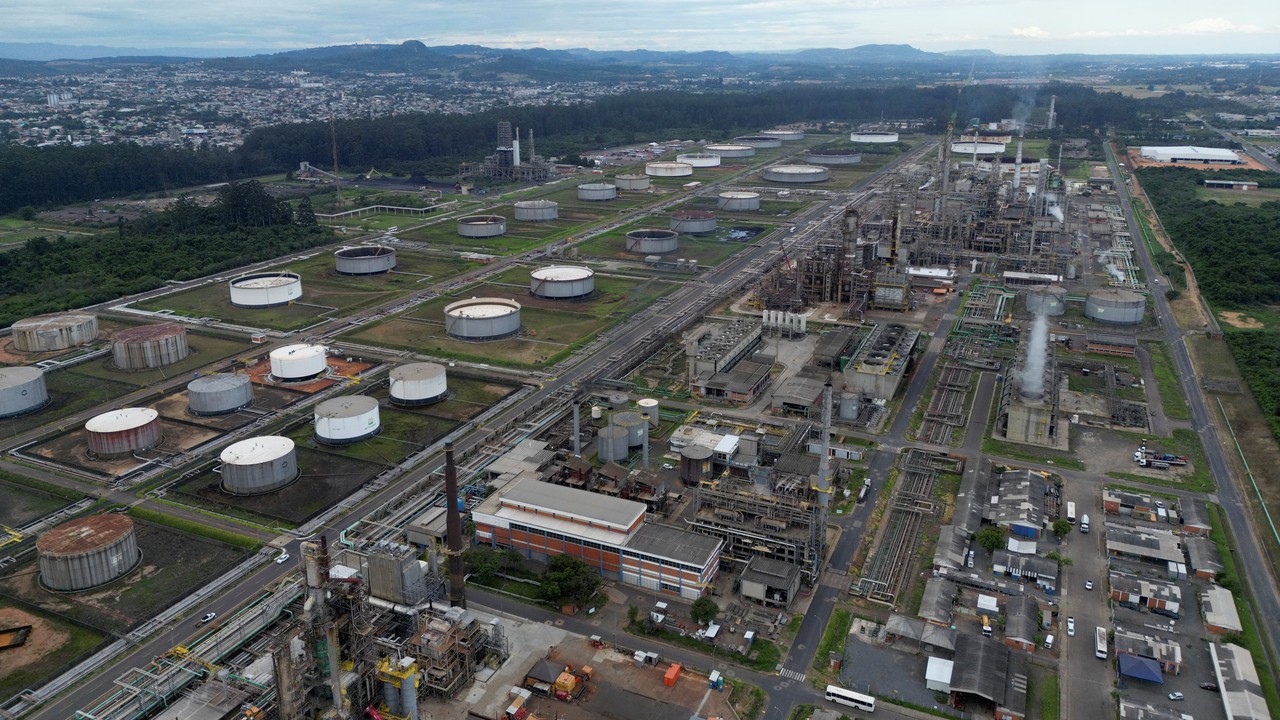



Contract and Scope of Supply
By the terms publicly disclosed, it is an annual agreement, with the possibility of extension, aimed at supplying Brazilian crude oil to Indian refineries.
Alckmin classified the deal as a demonstration of confidence in the state-owned company and the Brazilian economy.
In his statement, the acquisition by India reinforces the predictability of national production flow and is likely to open up space for new commercial commitments in the energy sector.
Petrobras did not officially detail the loading schedule, routes, or blend specifications.
So far, the government has only disclosed the total volume expected and the term of the commitment.
Sources consulted by the Ministry of Mines and Energy indicate that deliveries will take place during the course of the contract, without specifying ports of origin in Brazil or shipping windows.
India: High Demand and Diversification
India is among the largest oil importers in the world and seeks to diversify suppliers to reduce geopolitical risks and ensure competitiveness for its refineries.
In this context, the rapprochement with Brazil meets a supply strategy that combines spot purchases and term contracts, with BPCL acting as one of the main state buyers.
For Brazil, this sale adds to the effort to consolidate the country as a supplier of pre-salt oil to emerging markets.
After successive records, oil has established itself as one of the main items in Brazil’s export agenda, giving the agreement economic and logistical significance.
Bilateral Trade: Updated Numbers
While the political text emphasizes the expansion of exchange, the most recent official data indicate that the Brazil–India trade flow totaled US$ 12.1 billion in 2024, with the Asian country among the main suppliers to the Brazilian market and also a significant destination for national exports.
The government’s estimate is to increase this flow in the coming years, based on new understandings in energy, biodiesel, pharmaceuticals, technology, and agribusiness.
In addition to the private agenda, technical teams are discussing adjustments and expansion of the commercial agreement between Mercosur and India, focusing on the gradual reduction of tariffs and simplification of rules for industrial and agro-industrial goods.
The indication is that both sides intend to accelerate the conversation schedule to capture investment opportunities and integration of supply chains.
What Changes for Petrobras and Brazil
For Petrobras, mid-term contracts with Asian refiners help to provide predictability for the flow of volumes, complementing spot sales and improving the commercial management of the oil portfolio.
Indian demand has distinct appetites for crude qualities, and pre-salt oil — often with high diesel content after refining — tends to be well received in the most modern refineries.
On a macro level, agreements of this nature contribute to balancing the trade balance and to the inflow of foreign currency.
At the same time, they pose logistical challenges: coordination of docking windows, availability of suitable ships, and compatibility of loading and unloading standards at Brazilian and Indian terminals.
Transpetro, Petrobras’ logistics subsidiary, is responsible for a significant part of the oil movement operation in the country.
Official Mission and Next Steps
The agenda that took the Vice President to New Delhi included meetings with local authorities and encounters with businesspeople from both countries.
The goal, according to the Brazilian government, is to increase trade and investment flows with India and unlock cooperation fronts in high-tech sectors.
Topics such as energy transition, decarbonization of supply chains, and incentives for projects in biodiesel were also mentioned, an area where Brazil seeks to spread expertise and regulatory standards.
Besides the contract with BPCL, the delegation discussed trade facilitation initiatives and possibilities for industrial partnerships.
The Itamaraty and MDIC are working on the resumption of bilateral forums and monitoring mechanisms for trade to track targets and remove technical, customs and sanitary barriers.
The expectation is that the result of this coordination will appear in new sectoral announcements over the coming months.
Political and Institutional Context
The cooperation reinforces the South-South axis at a time of reconfiguration of global supply chains and the quest for energy security.
Brazil and India are part of the BRICS and maintained high-level agendas in 2025.
It is worth noting that Brazil’s presidency of the G20 took place in 2024, with a summit held in Rio de Janeiro; this year, the forum passed to another country, but discussions on trade, climate, and energy continue to guide Brazil’s economic diplomacy.
Although the title highlights a “billion-dollar agreement,” the government has not disclosed values; the final amount depends on barrel price, oil quality, deadlines, and logistical costs.
In terms of reference, the scale of 6 million barrels in a year is substantial for the export balance, but the financial calculation can only be made with precise commercial parameters, which have not been provided.