Portuguese
  Spanish



Charter Contract of the Vessel Mr. Chafic and the Implementation of Hybrid Propulsion
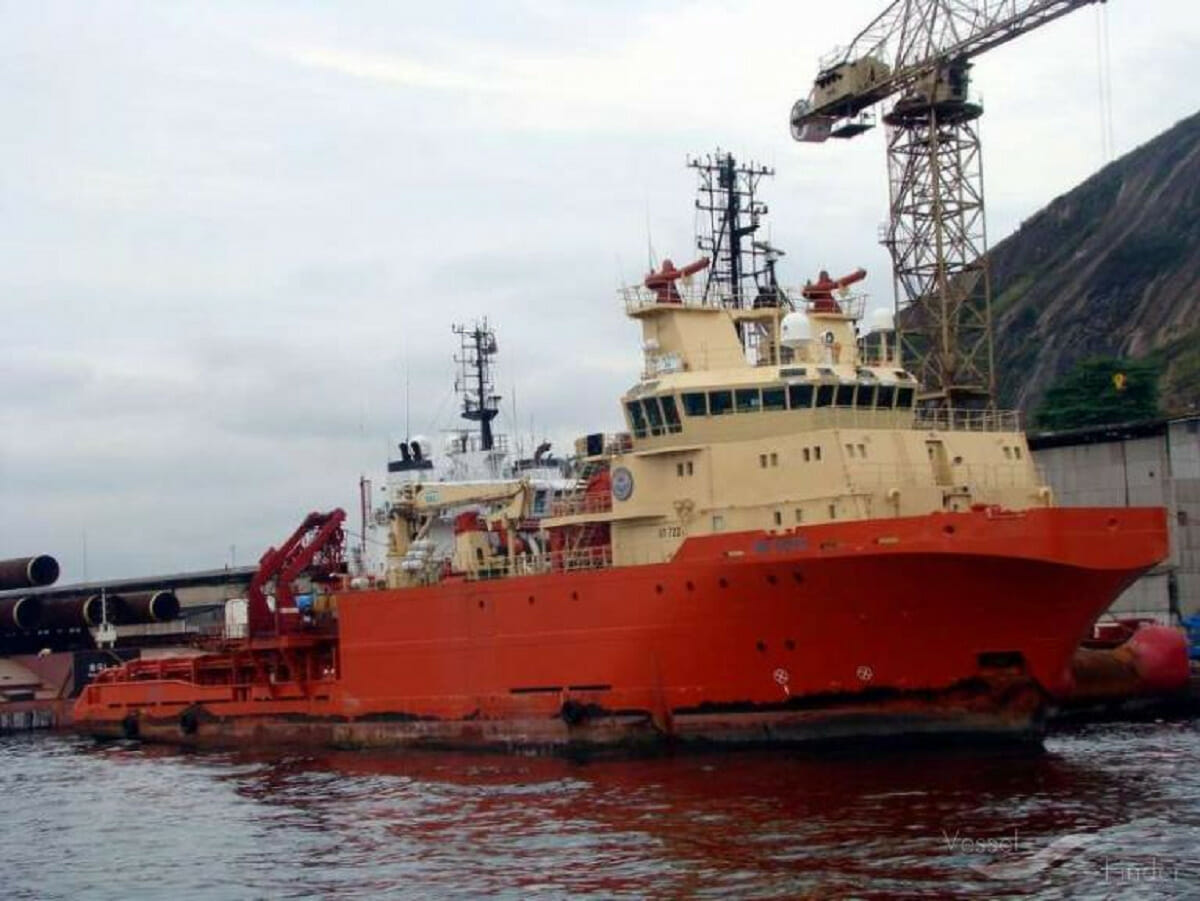
Petrobras has signed a charter contract for the vessel Mr. Chafic, an AHTS type, with Bram Offshore. This vessel will be used for maritime cargo transport through Offshore Logistics, meeting the operational demands of E&P and Drilling Rigs. The main novelty of this contract is the implementation, by October 2024, of a hybrid propulsion system. Batteries will be installed on board, allowing for a reduction in greenhouse gas emissions and fuel consumption. Petrobras expects to achieve reductions of around 15% in these aspects.
Recognition of the Importance of Energy Transition in Logistical Operations by Petrobras
Petrobras recognizes the importance of energy transition in the logistics sector and is committed to meeting societal demands sustainably. Cláudio Schlosser, Director of Logistics, Marketing, and Markets at Petrobras, highlights the magnitude of the company’s logistical operations and emphasizes the need to seek innovative solutions that promote sustainability throughout the energy supply chain. The state-owned company invests in initiatives aimed at positioning the company as a leader in energy, creating value and ensuring current and future prosperity.
With this, it is clear that Petrobras has reinforced its commitment to energy transition and the use of innovative technologies, aiming for the decarbonization of logistical operations, without compromising safety and competitiveness. The vessel Mr. Chafic will begin its operations in October 2023, and the hybrid configuration will be launched in the following months, marking another advance towards the transformation of the sector.
-
Helsinki Residents Receive Water That Travels 120 Kilometers Through a Hidden Rock Tunnel from a Lake Before Treatment

-
SENAI Launches $36 Million Innovation Round to Boost Brazilian Manufacturing Productivity and Reduce Business Risks with R&D Projects by 2026
-
Indonesia Plans to Build 5,000 Suspension Bridges by 2026 to Connect Rural Communities to Schools, Health Centers, and Markets
-
U.S. Invests $75 Million in Projects to Extract Rare Earths, Gallium, Germanium, and Aluminum from Coal Waste




Perfect Integration of Hybrid Propulsion in the Vessel System and Its Benefits
The perfect integration of hybrid propulsion technology into the vessel system is an important aspect of this Petrobras project. The batteries assist the main engines, resulting in a reduction in fuel consumption. This allows for the operation of the vessel with fewer generators on the bus, maintaining operational safety.
In addition, this hybrid approach improves the vessel’s efficiency, saves resources, and reduces pollutant emissions by Petrobras. The DNV certification ensures compliance with the highest safety and environmental protection standards.
The charter contract for the vessel Mr. Chafic by Petrobras, in partnership with Bram Offshore, highlights the implementation of hybrid propulsion. The installation of batteries on board will enable the reduction of greenhouse gas emissions and fuel consumption, seeking sustainability and efficiency in logistical operations.