Portuguese
  Spanish




Million-Dollar (Maybe Billion-Dollar) Estimate Includes Licensing, Impact Mitigation, and State Drill Rental; State-Owned Company Claims All Technical Clarifications Have Been Sent to the Environmental Agency
Petrobras informed Ibama that the estimated cost to drill the first exploratory well in the Amazon River Delta is R$ 842.4 million, according to an official document submitted to the agency on October 16, 2025, and released by EIXOS. The amount was detailed by the state-owned company in response to a formal request from the environmental agency, which questioned the expenses involved in the licensing process for block FZA-M-59, one of the most strategic in the Equatorial Margin.
The oil company reaffirms that it is confident in getting the environmental license soon, after more than two years of analysis, revisions, and additional technical requirements.
Breakdown of Expenses for Drilling the Well
The total amount of R$ 842.4 million is composed of four main parts:
-
Qantas and Airbus Invest in Company Aiming to Convert Unsorted Household Trash into Jet Fuel

-
Brazil’s ANP Opens 86 New Oil Blocks in the Equatorial Margin, Expanding the Amazon River Mouth Frontier

-
OPEC+ Boosts Oil Supply by 188,000 Barrels per Day in July 2026, Leading to Price Drop from $112 to $89 per Barrel in Under Two Months

-
TotalEnergies Signs 20-Year Deal to Purchase 2 Million Tons of LNG from Alaska, Boosting Project Viability

- Reference Value: R$ 793.3 million;
- Impact Mitigation Plans and Projects: R$ 46.7 million;
- Guarantees, Policies, and International Insurance: R$ 2 million;
- Environmental Licensing: R$ 379 thousand.
Petrobras highlighted that the reference value corresponds to the direct costs of implementing the activity, excluding bank fees, guarantees, deposits, and supplier insurance premiums. In other words, it refers to the direct investment required to enable initial drilling in the Amazon River Delta, considered one of the last exploratory frontiers in the country.
Accumulated Costs Exceed R$ 1 Billion, According to FUP
According to the United Federation of Oil Workers (FUP), Petrobras’s expenses with the licensing process in the Equatorial Margin have already exceeded R$ 1 billion since 2022. The union claims that the successive delays by Ibama have been generating significant additional costs for the state-owned company.
Among the main amounts pointed out by the federation are:
- R$ 543 million for the rental of the drilling rig ODN II,
- R$ 327 million for support vessels,
- R$ 142 million for air services.
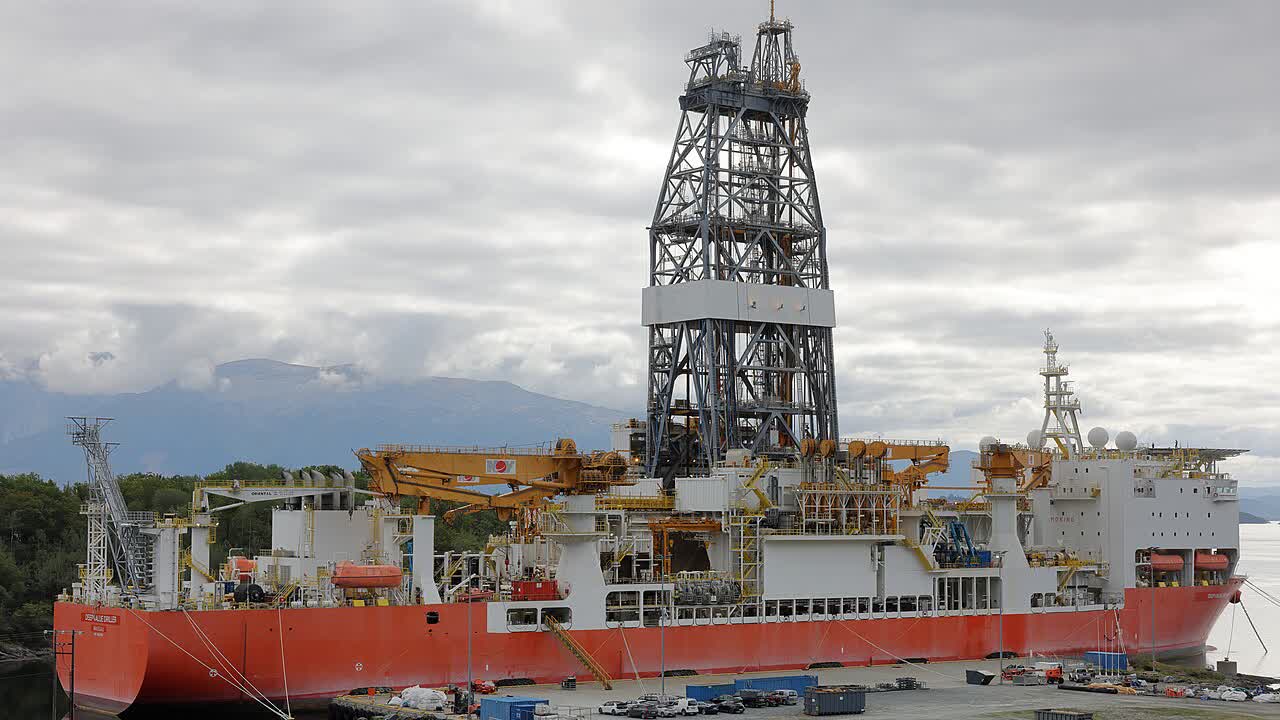
The ODN II, operated by Foresea, is contracted until October 21, 2025, and costs R$ 4 million per day to Petrobras. If the environmental license is not issued in time, the company risks incurring additional losses by keeping the equipment idle.
Expectations for the License and Dialogue with Ibama
After a Pre-Operational Assessment (APO) conducted in September, Petrobras’s expectation was that Ibama would issue the license in early October. However, the process remains under technical analysis, with new adjustments being requested by the environmental agency.
In an official statement released this week, the company informed that all technical pending issues have been addressed and that it maintains an open dialogue with the agency.
“Petrobras remains confident that the operating license will be issued soon, as a result of the joint work of the company and Ibama,” declared the state-owned company.
Equatorial Margin: The New Pre-Salt of the North
The Equatorial Margin, which extends from Amapá to Rio Grande do Norte, is considered by experts as Brazil’s “new pre-salt”. Geological studies indicate extremely high potential for light oil with low sulfur content, similar to that found off the coasts of Guyana and Suriname.
Drilling the first well in the Amazon River Delta is seen as a strategic milestone not only for Petrobras but for the entire Brazilian energy sector. The outcome of this first drilling could determine the future of offshore explorations in the North of the country, influencing even the region’s revenue and development.