






 Portuguese
  Spanish


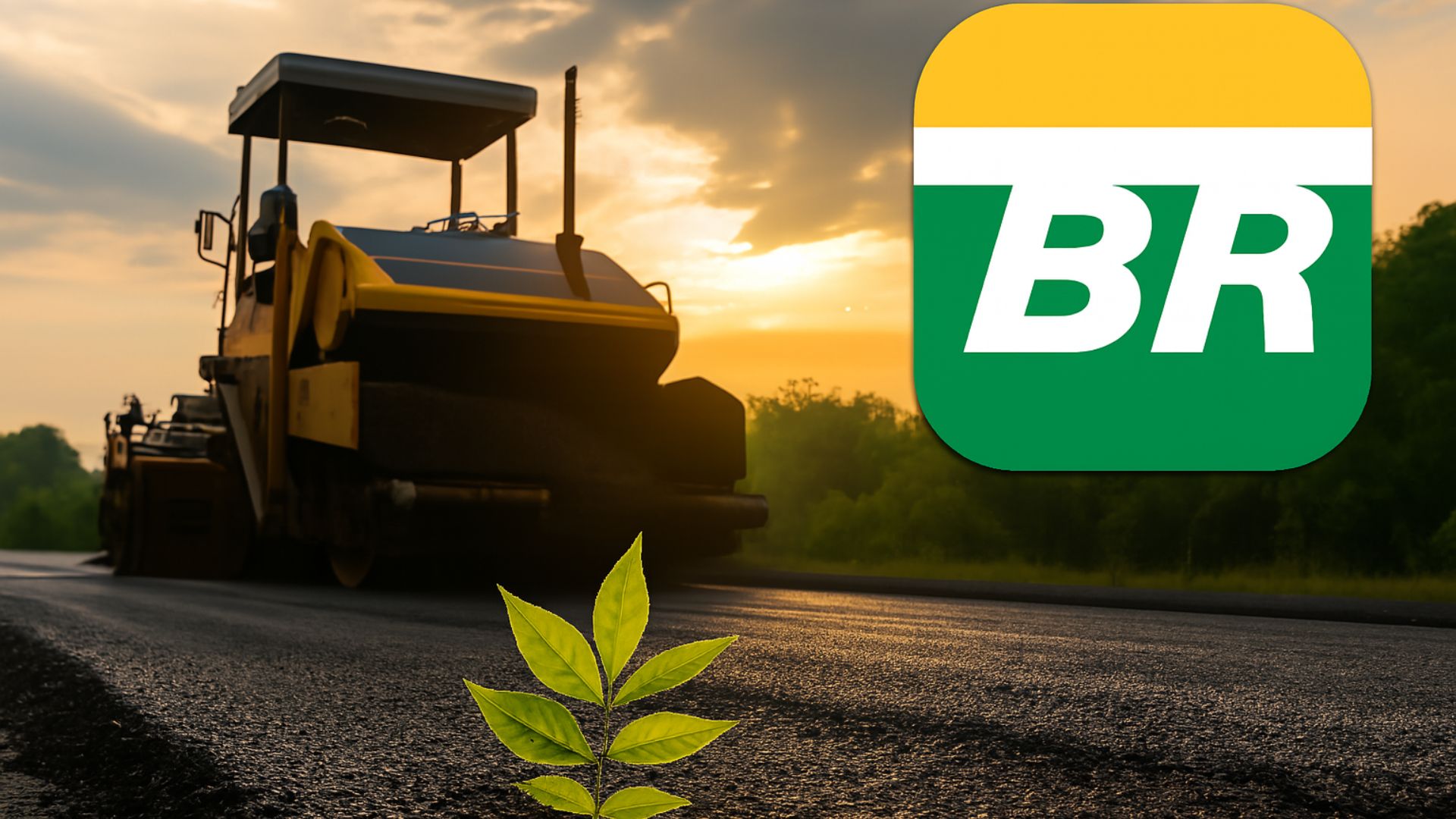


Petrobras Advances in Sustainability by Producing Asphalt with Renewable Content at Revap, Strengthening Energy Transition Projects and Infrastructure Innovation in Brazil
In the first week of October 2025, Petrobras announced the start of production of sustainable asphalt with renewable content at the Henrique Lage Refinery (Revap) in São José dos Campos (SP).
According to a report from the state company released this Tuesday (7), the new product, named CAP Pro R, is part of the CAP Pro line and represents a milestone in the pursuit of a fair energy transition, combining technical performance and environmental responsibility.
CAP Pro R: Sustainable Asphalt with Renewable Content
CAP Pro R is one of the first renewable content asphalts produced on a large scale in Brazil. Developed by the Research, Development and Innovation Leopoldo Américo Miguez de Mello Center (CENPES) in Rio de Janeiro, the product combines mineral streams with oil of specific origin, maintaining high compatibility with the refining of national oils.
-
Green Roofs on Homes Gain Popularity for Reducing Heat, Noise, and Rain Impact in Brazil

-
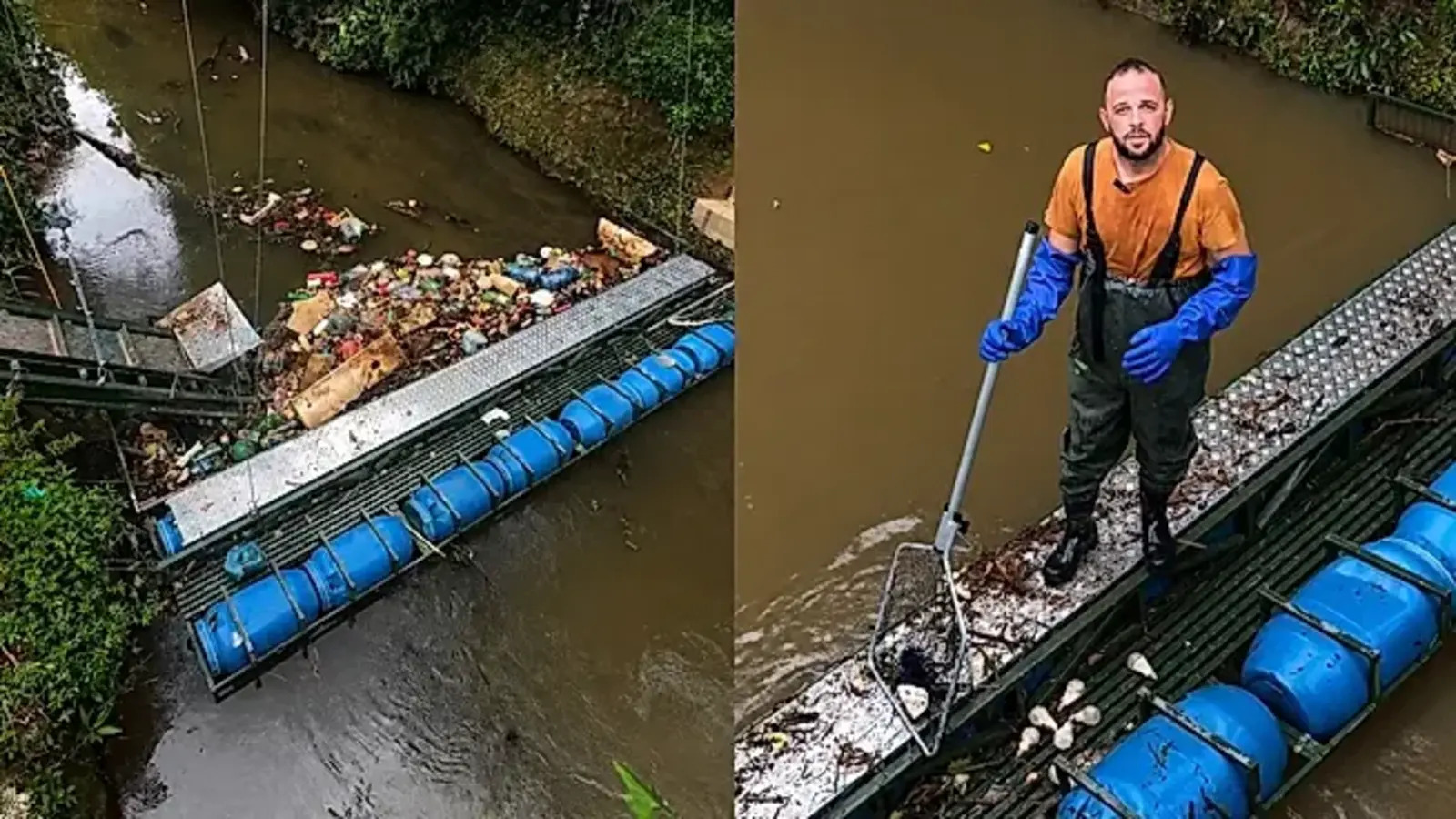
Brazilian promises his children to save a river, creates an eco-barrier in his backyard, has already removed more than 40 tons of trash from the water, and even inspires the idea in other states of the country.

-
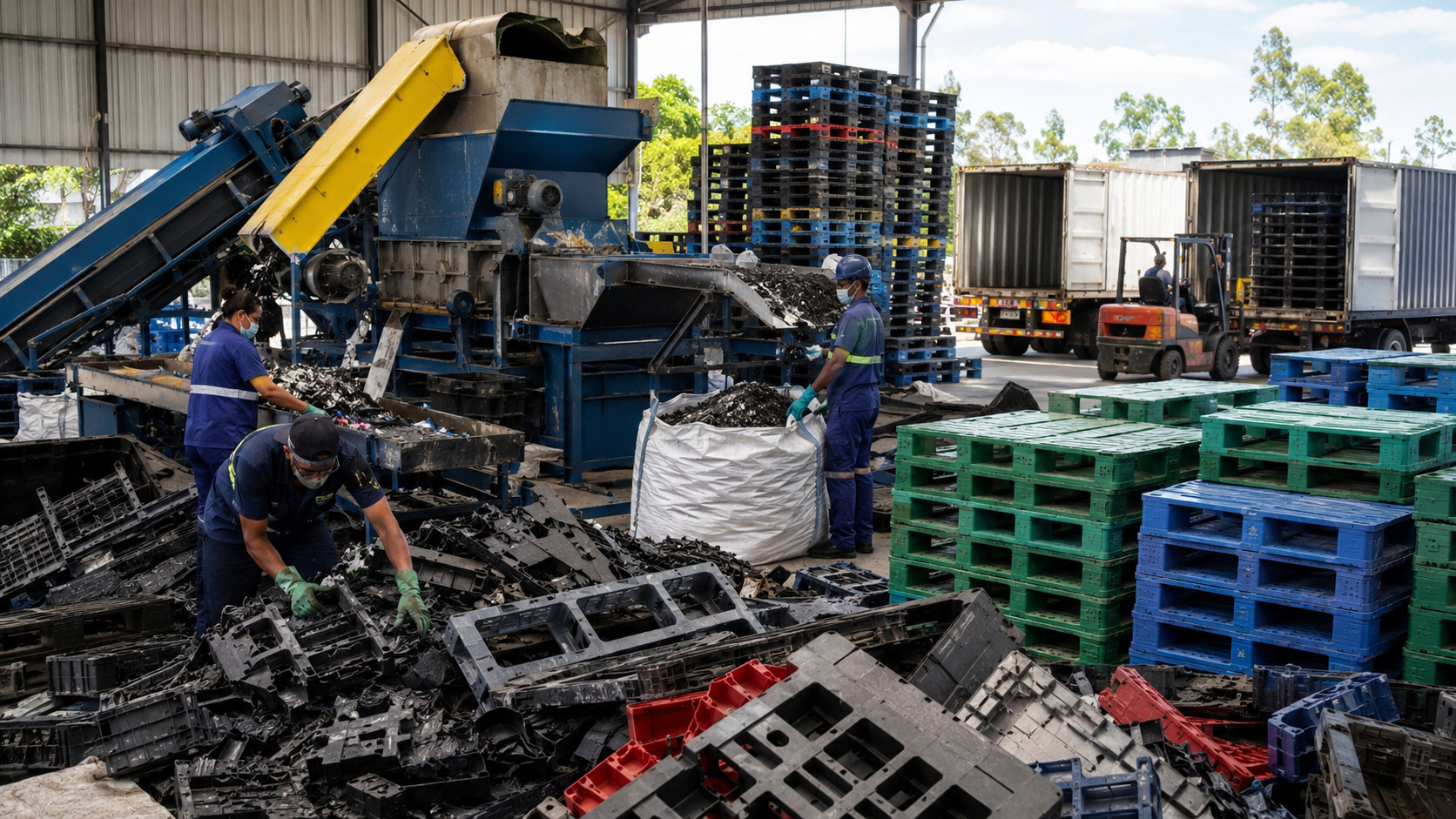
How a Brazilian company created a system that transforms broken pallets of any brand into new assets, recycles 80 tons of plastic per month, and found a profitable solution to a problem that challenges industries across the country.
-
Invasive bullfrog capable of devouring other amphibians and laying up to 20,000 eggs is found in Florianópolis, raising an alert about the threat to native fauna.


During tests, CAP Pro R was successfully applied on roads at UFRJ’s University City, on Fundão Island. In the first week of operation, about 3,000 tons of the new asphalt were produced and sold.
Energy Transition and Environmental Responsibility of Petrobras
The choice of Revap as the site for the production of CAP Pro R was strategic. The refinery was already operating with other variants of the CAP Pro line, such as CAP Pro W and CAP Pro AP, which now incorporate the “R” for renewable.
The unit has advanced infrastructure and technical capacity to integrate sustainable processes into traditional refining. Production at Revap could mark the beginning of a new era for Brazilian paving, focusing on low carbon and innovation.
According to William França, director of Industrial Processes and Products at Petrobras, the production of CAP Pro R reflects the company’s commitment to a fair and responsible energy transition. The state-owned company has invested in alternatives that reduce environmental impact without compromising the efficiency of its products.
In addition to CAP Pro R, Petrobras already markets fuels with high biodiesel content and diesel with up to 5% vegetable oils, reinforcing its energy diversification strategy. This approach seeks to balance economic, social, and environmental interests, promoting effective benefits for the entire production chain.
Sustainability and Asphalt Market
The Brazilian asphalt market recorded significant growth in recent years, reaching 3.1 million tons in 2024, according to data from the National Agency of Petroleum, Natural Gas and Biofuels (ANP). Petrobras, as the main supplier, plays a central role in transforming this sector.
With CAP Pro R, the company offers a viable and more sustainable alternative for infrastructure projects, meeting regulatory requirements and demands for low environmental impact solutions. The product also contributes to emissions reduction and the rational use of natural resources.
Technical and Environmental Benefits of CAP Pro R
Among the main benefits of the new sustainable asphalt, the following stand out:
- Reduction of greenhouse gas emissions during production and application.
- Lower heating requirements, which reduces energy consumption.
- High durability and technical performance, compatible with conventional asphalts.
- Synergy with national refining, facilitating integration into existing industrial processes.
These characteristics make CAP Pro R a strategic solution for infrastructure projects that seek to combine quality and environmental responsibility.
Petrobras and the CAP Pro Line: Innovation with Sustainability
The CAP Pro line from Petrobras was designed to meet the ANP’s requirements and offer sustainable solutions for paving works. With the arrival of CAP Pro R, this line strengthens as a reference in sustainability and innovation.
The CAP Pro products require less heating during application, which reduces energy consumption and emissions. In addition, some are made with recycled components, increasing environmental benefits. Petrobras has continuously invested in research to enhance this line and expand its application throughout the national territory.
Challenges and Critiques: Petrobras’ Role in the Energy Transition
Despite the advances, Petrobras still faces criticism from environmental organizations for abandoning renewable energy investment plans. However, initiatives like CAP Pro R demonstrate that the company is reorienting its strategy to include more sustainable practices, especially in the petroleum derivatives sector.
The production of asphalt with renewable content is a concrete response to the demands for low carbon solutions and shows that it is possible to reconcile industrial innovation with environmental responsibility. Petrobras has also sought strategic partnerships, such as the collaboration with Amazon Brazil for the development of low carbon fuels.

Petrobras Initiative: Impact on Infrastructure and Society
The adoption of CAP Pro R in public and private works can generate significant positive impacts. In addition to contributing to the reduction of carbon footprint, the new asphalt can improve road quality, reduce operational costs, and promote greater durability of structures.
By offering an innovative and environmentally responsible solution, Petrobras strengthens its institutional image and expands its influence in the energy sector. The production of CAP Pro R at Revap represents a significant advance for the Brazilian asphalt industry and for Petrobras’ sustainability agenda.
With this initiative, the state-owned company reaffirms its commitment to a fair energy transition, offering innovative solutions that reconcile technical performance and environmental responsibility. The expectation is that the new asphalt will be expanded to other refineries and regions of the country, increasing its positive impact on national infrastructure.




I must say this article is extremely well written, insightful, and packed with valuable knowledge that shows the author’s deep expertise on the subject, and I truly appreciate the time and effort that has gone into creating such high-quality content because it is not only helpful but also inspiring for readers like me who are always looking for trustworthy resources online. Keep up the good work and write more. i am a follower.