Portuguese
  Spanish


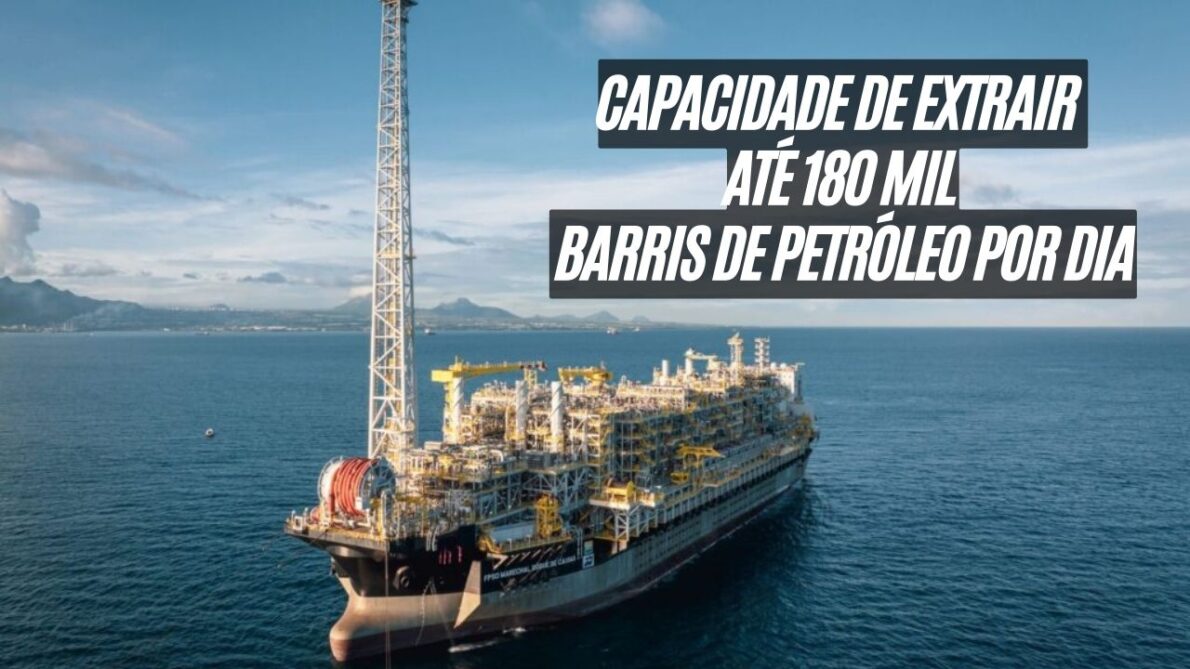

Petrobras Just Took a Blockbuster Step in the Energy Sector! The Brazilian Giant Has Started Production of the Duque de Caxias Platform Ship in the Mero Field, Located in the Coveted Pre-Salt of the Santos Basin. With This, Petrobras Further Consolidates Its Prominent Position, Putting into Operation a Unit with Impressive Production Capacity and Promising to Revolutionize the Company’s Numbers.
According to an official statement from Petrobras, the Duque de Caxias platform ship is an FPSO unit (Floating Production, Storage and Offloading) that has the capacity to extract up to 180,000 barrels of oil per day. Additionally, it can compress up to 12 million cubic meters of gas daily, strengthening the state-owned company’s energy production. This advancement marks the entry into operation of the fourth production system in Mero and is the result of a partnership with MISC, the company responsible for chartering the platform ship.
With this addition, the installed production capacity in the Mero field has increased significantly: from 410,000 to 590,000 barrels of oil per day. This increase not only represents a strategic advancement for Petrobras but also highlights the potential of the Mero field in the pre-salt, which has been consolidating as one of the most promising areas for oil and gas exploration in Brazil.
Petrobras in the Energy Market
The Duque de Caxias platform ship is not only a technical achievement but also symbolizes Petrobras’s strength in the energy market, especially in the pre-salt. The company sees this operation as a milestone in expanding infrastructure and production capacity, reinforcing its commitment to sustainable and efficient energy development.
-
Petrobras Secures $2.2 Billion Contract to Build and Operate Four Support Vessels for Brazil’s Offshore Oil Fields

-
Oil production grows in Rio, but reserve replacement raises a warning sign

-
Petrobras is expected to complete the drilling of the Morpho well in the Foz do Amazonas in August 2026, the first well in the Equatorial Margin, an oil frontier that the ANP estimates at more than 30 billion barrels and could redraw the map of Brazil.

-
Oil returns to the center of concerns with tension between the US and Iran


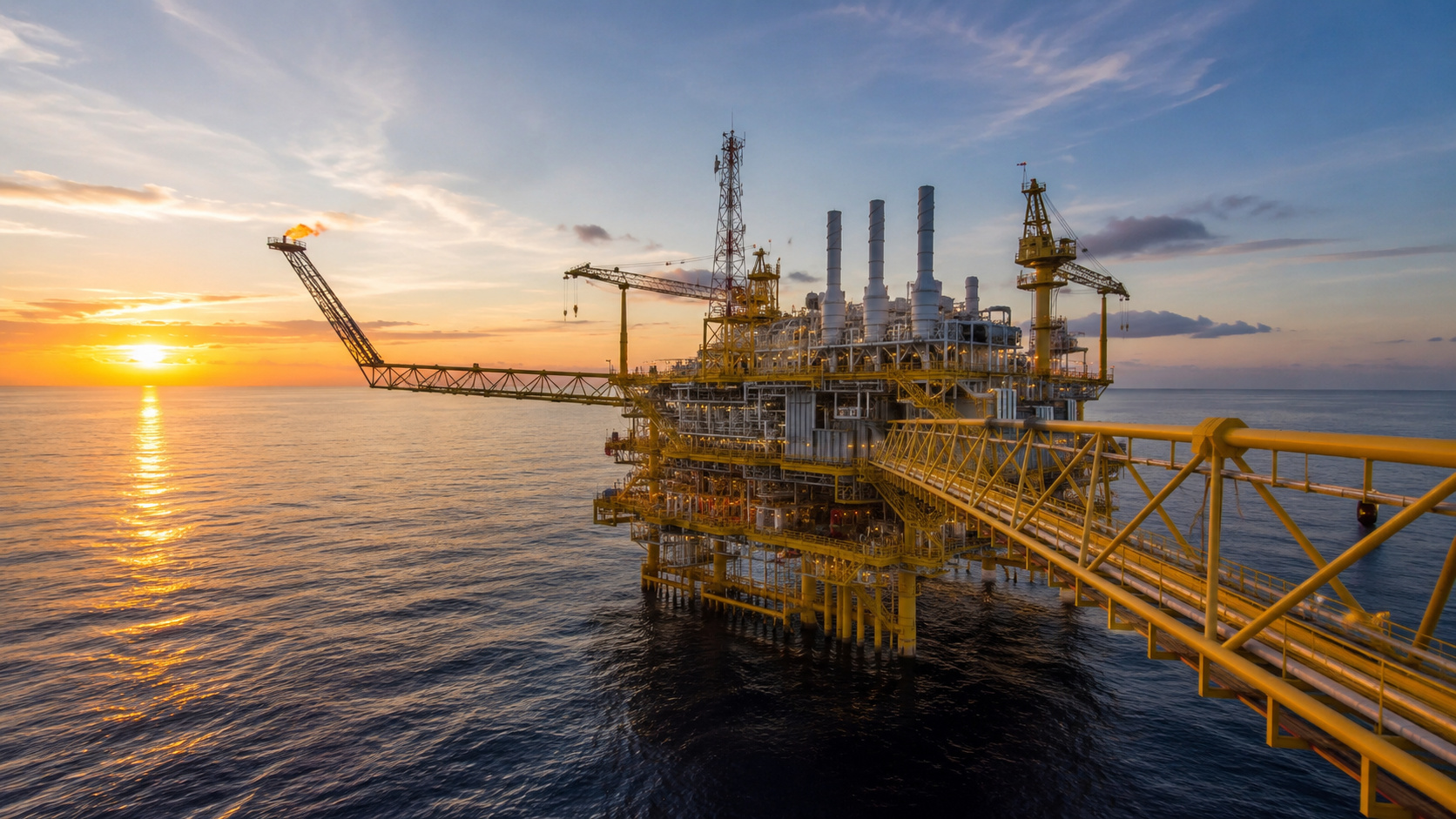


This new chapter in the exploration of the Mero field is expected to bring positive impacts not only for Petrobras but also for the Brazilian energy market, consolidating the importance of the pre-salt as one of the main economic engines of the country.
Duque de Caxias Platform is the Answer
In a scenario where the demand for clean and efficient energy grows every day, production in the Mero field with the Duque de Caxias platform emerges as a strategic and significant response.
In the coming months, Petrobras is expected to continue monitoring production and optimizing the resources of the Santos Basin, one of the largest oil and gas reservoirs in the world.