Portuguese
  Spanish


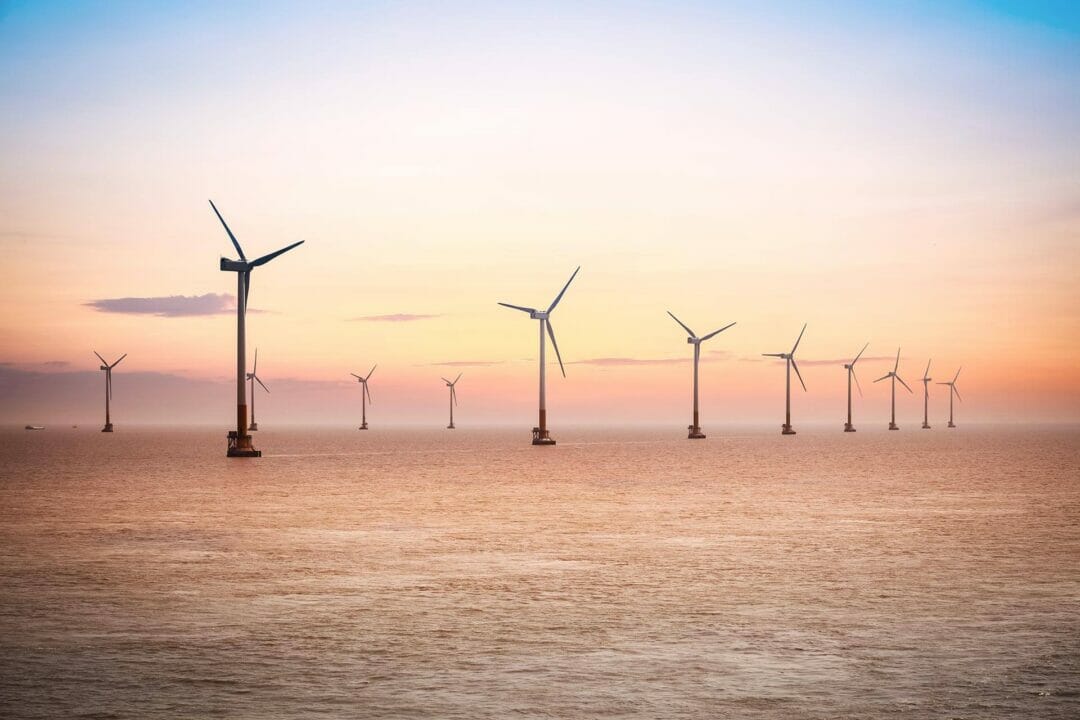

Petrobras’ Comeback in Renewables Sparks Debates Among Experts and Investors About the Viability of Offshore Wind in Brazil.
Petrobras is vigorously entering the world of renewable energy, bringing to the forefront the issue of offshore wind and the Energy Transition, especially among investors. This week, the company unveiled proposals such as requests for environmental licensing for these wind farms, partnerships for the development of turbines, and strategic alliances with major names like WEG, Casa dos Ventos, and TotalEnergies.
Petrobras’ Bold Journey in the Energy Transition
Jean Paul Prates, with notable enthusiasm, highlights: “Petrobras has not only entered the wind market but has mastered it.” This statement underscores the company’s ambition to be a leader in the Brazilian energy transition.
The impressive 10 requests for licensing for offshore wind farms submitted to Ibama amount to 23 GW. When added to the 14.5 GW already proposed in collaboration with Equinor, we have a total of 37.5 GW under analysis. This capacity surpasses the current wind generation in the country, estimated at 26 GW.
-
World’s Largest Engie Solar Plant in Brazil Highlights Billion-Dollar Energy Waste Issue: Company Considers Batteries and Bitcoin Mining to Avoid Wasting Production

-
Air Products Cancels $2.9 Billion Clean Hydrogen Megaproject in Louisiana, Shuts Down Arizona Unit, Highlighting High Costs of U.S. Energy Transition
-
Over 60 Tractors Take to the Streets in Lopera as Solar Parks Compete with Olive Groves, Affecting 13,000 to 100,000 Trees According to Conflicting Reports

-
Green Hydrogen Projects in Northeastern Brazil Stalled for 18 Months Awaiting Government Decree, Delaying Billions in Investments


However, although these numbers are promising, execution challenges and depressed electricity prices for the coming years keep investors on alert. Past attempts at diversification that resulted in losses still raise doubts about Petrobras’ ambitions.
The Market Reacts
Despite its ambitious entry into renewables, the market reaction has been moderate. Analysts believe that the practical implementation of such plans will still take time. This week’s rise in Petrobras’ stock prices seems more related to the increase in oil prices than to a sustainable outlook.
During a recent event, Maurício Tolmasquim, Director of Energy Transition, clarified the company’s position: “Before we proceed, we need to meticulously study every aspect.” He emphasizes the importance of ensuring that the projects have a positive Net Present Value (NPV).
Analysts and investors from Itaú BBA, in a recent report, project that capital expenditures for these wind projects may take one to two years after the announcement. They also highlight a potential investment from Petrobras of US$ 86 billion over the next five years, an 11% increase compared to the previous year.
Viability of Offshore Wind
The debate over the viability of offshore wind is complex and has multiple perspectives in the renewables sector. Antônio Junqueira, an analyst at Citi, expresses his concern: “While studying is essential, Petrobras must be cautious when investing in offshore wind.”
Internationally, companies face challenges in making such energy transition projects viable, even with subsidies, as is the case in the United States. The Danish company Orsted, for example, has reported significant losses due to offshore wind projects.
On the other hand, the costs of equipment for offshore wind generation have significantly decreased in recent years. A study by A&M reveals a 40% drop in installation costs between 2010 and 2020.
Senator Jean Paul Prates, an advocate for wind energy, believes in Brazil’s potential. He sees green hydrogen production as a new demand vector for offshore wind, transforming Brazil into a globally competitive environment.
In his words: “Brazil, with its favorable climate and low maintenance costs, has the potential to dominate the offshore market. We have overcome the challenges of the pre-salt and are now looking at offshore.”
However, realizing this potential still depends on more regulations, laws, and auctions by the federal government. The future is promising, but the road ahead is long.
Source: Exame IN