Portuguese
  Spanish


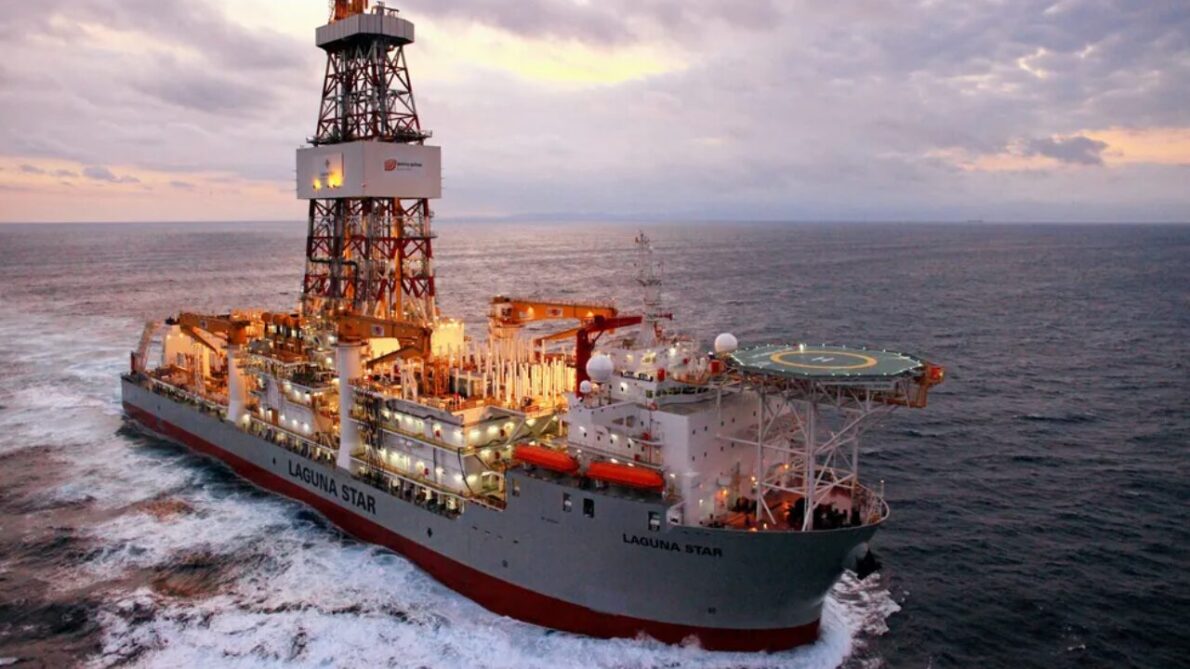

Petrobras Signs Contract Worth US$ 1 Billion With Constellation for Chartering Two Drill Ships That Will Operate in the Roncador Field.
Petrobras has signed an important Chartering and Services Contract with Constellation, involving two high-spec drill ships to be used in the drilling and completion campaign of wells in the Roncador field, located in the Campos Basin. The contract, valued at US$ 1.027 billion, marks another step for Petrobras in its strategy for exploring and developing new oil and natural gas production areas. Starting in 2025, the vessels Laguna Star and Tidal Action will play a crucial role in operating at depths ranging from 1,200 to 2,000 meters, conducting drilling services in ultra-deep waters.
Petrobras Drill Ships With Technology for Ultra-Deep Water Drilling
The two contracted drill ships, Laguna Star and Tidal Action, are examples of the high technology required to operate under extreme conditions on the seabed.
Designed to perform a wide range of services, they are equipped with sophisticated systems for drilling, completion, and intervention in subsea wells.
-
OPEC+ Boosts Oil Supply by 188,000 Barrels per Day in July 2026, Leading to Price Drop from $112 to $89 per Barrel in Under Two Months

-
TotalEnergies Signs 20-Year Deal to Purchase 2 Million Tons of LNG from Alaska, Boosting Project Viability
-
Turkey Deploys Çağrı Bey Drilling Ship to Explore New Oil Frontier Off Somalia’s Coast
-
Golden Pass LNG Ships First Liquefied Gas Cargo from the U.S., Completing $10 Billion QatarEnergy and ExxonMobil Investment

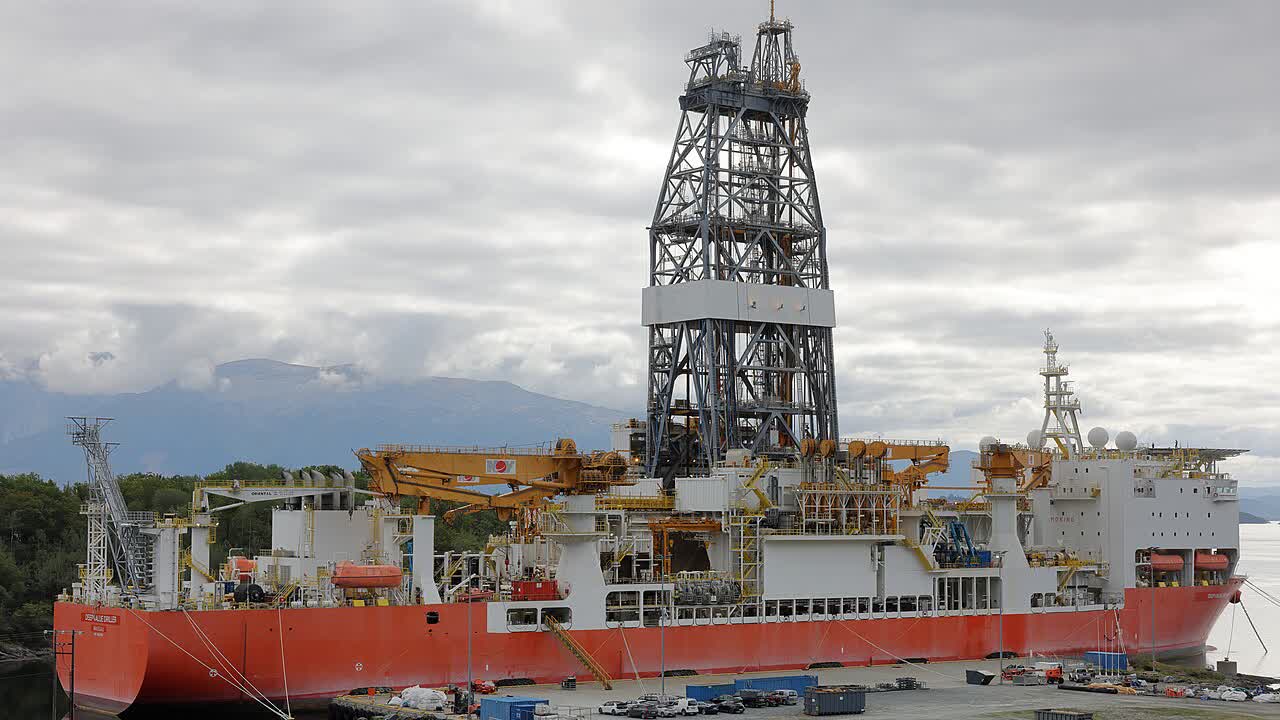

This versatility is essential for developing new oil and gas reserves, especially in ultra-deep water areas where access is extremely complex and requires robust technology.
These drill ships are equipped, among other tools, with remotely operated vehicles (ROVs), which allow for inspection and repair activities at great depths.
Additionally, they are prepared to respond to emergencies that may occur during operations in the Roncador field.
The chartering of these vessels reaffirms Petrobras’ commitment to maintaining high standards of safety and efficiency in its offshore operations.
Another important aspect of this contract is the commitment to local content. Petrobras ensured that 30% of the services and materials used during the term of the contract will be sourced from Brazil.
This not only contributes to strengthening the chain of domestic suppliers but also helps generate local jobs.
Creation of New Jobs
With the operation of the drill ships Laguna Star and Tidal Action, the creation of approximately 250 direct and indirect jobs on board the Tidal Action is expected, alongside the maintenance of another 250 jobs on the Laguna Star.
This job creation is a positive reflection of the economic impact that oil exploration can have on the regions where these activities occur, especially in cities near the Campos Basin.
These jobs will encompass operational and support roles, as well as technical and specialized positions, requiring a skilled workforce to handle the challenges posed by operations in deep water.
The Roncador field, already one of Petrobras’ largest oil and natural gas producers, is expected to see an increase in its productivity with the addition of these two drill ships, generating more wealth for the Brazilian economy and helping to sustain domestic energy demand.
In addition to the direct economic benefits, this partnership between Petrobras and Constellation strengthens the naval and offshore engineering industry in Brazil.
Companies from various sectors could indirectly benefit from the demand for specialized services and the supply of materials and technology to support the drill ships’ operations.
Roncador Field: Strategic Partnership With Equinor
The Roncador field, where the drill ships Laguna Star and Tidal Action will be deployed, is one of Petrobras’ most strategic fields.
Located in the Campos Basin, the Roncador field is a partnership between Petrobras and the Norwegian company Equinor.
Petrobras holds a 75% stake in the field, while Equinor, which also has expertise in offshore operations, holds the remaining 25%.
This partnership is essential to ensure the continuity of operations in the Roncador field and to maximize the recovery of resources in the area.
The Roncador field is already responsible for a significant portion of Petrobras’ oil production and remains an area of great interest for the development of new extraction technologies.
The drill ships Laguna Star and Tidal Action will play a crucial role in expanding the production capacity of the field, which can be further explored in the coming years.
The expectation is that these new operations will help increase Petrobras’ efficiency in the exploration and production of oil and gas, keeping Brazil as one of the leading global players in the energy sector.
Impact on Petrobras’ Strategy
The contract for these two drill ships is part of a broader strategy by Petrobras to strengthen its operations in high-potential areas, such as the Roncador field.
The company seeks not only to increase its oil and gas production but also to ensure that its operations are performed safely, efficiently, and with environmental responsibility.
The contracts signed with Constellation represent a significant investment in the necessary infrastructure to support these operations.
In addition to contributing to increased production, they also bring positive impacts to the Brazilian economy, with job creation and strengthening the oil and gas industry in the country.
The technological development of these drill ships also positions Petrobras prominently in the global arena, as the ability to operate in ultra-deep waters is one of the industry’s biggest challenges.
The use of these drill ships will allow Petrobras to continue advancing in the exploration of new oil reserves, remaining competitive in an increasingly challenging global market.