Portuguese
  Spanish


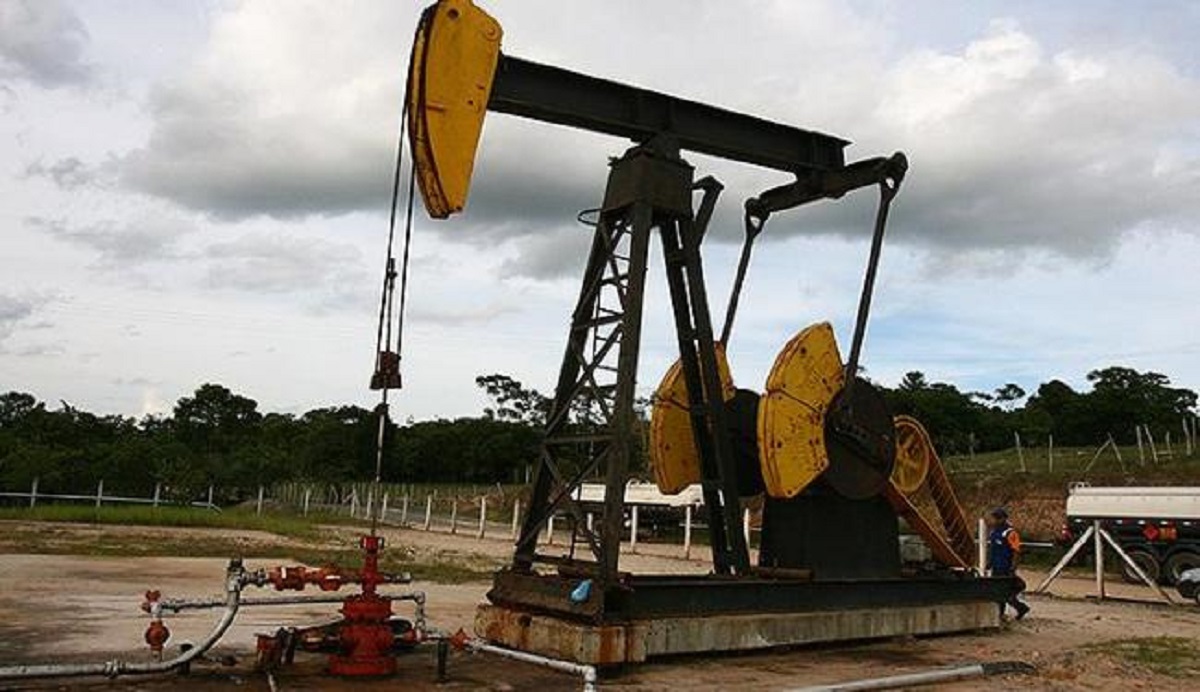

Sale of Assets in Bahia Is Part of the Divestment Program, with Most Being Fields Where Petrobras Holds 100% Stake
Petrobras’ onshore fields in Bahia are numbered. 22 onshore fields have just entered the list of assets in the company’s divestment program.
Petrobras intends to divest its total stakes in the Recôncavo and Rio Ventura fields.
The announcement was made yesterday afternoon (06/03) and the divestment also involves shared production handling and treatment facilities for the fields.
Aligned with the new president of Petrobras, Roberto Castello Branco’s line of thought, who stated that Petrobras will prioritize its core business, which is Exploration and Production (E&P).
-
Brazil to Issue “Panda Bonds” in China, Aiming to Raise Up to 5 Billion Yuan at Lower Interest Rates Than Dollar Debt
-
Brazil to Issue “Panda Bonds” in China, Aiming to Raise Up to 5 Billion Yuan at Lower Interest Rates Than Dollar Debt
-
Over 2,000 Tons of Discarded Fishing Nets Since 2020 Repurposed into Durable Caps, Fins, and Parts

-
Seals and Sea Lions Lose Habitat and Food as Climate Change Advances, Impacting Ice, Prey, and Coastal Communities


The Fields of Bahia
The fields in Bahia that Petrobras intends to divest are those in the Recôncavo Pole, comprising 14 onshore concessions with an average total production of about 2.8 thousand bpd of oil and 588 thousand m³/day of gas in 2018.
The other pole in Bahia is Rio Ventura, which includes 8 onshore concessions producing 1.5 thousand bpd of oil and 43 thousand m³/day of gas last year.
With the exception of two concessions in the Recôncavo Pole, Cambacica and Guananbi, where its stake is 75% and 85%, all other concessions are 100% owned by Petrobras.
In Petrobras’ official statement, the company’s intention with the divestments was clarified, “These operations are aligned with the optimization of the portfolio and the improvement of the company’s capital allocation, aiming to generate value for our shareholders”.
See also! The leniency agreement signed by Braskem includes, in addition to the return of the billion-dollar amount, the possibility for the company to again receive loans and participate in federal government bids.