Portuguese
  Spanish


The recycling of fishing nets repurposes a plastic that has lost its function on the boat, reduces the risk of disposal at sea, and transforms the material into traceable recycled plastic for caps, clothing, and sports equipment after stages of collection, sorting, cleaning, and grinding.
More than 2 thousand tons of discarded fishing nets since 2020 have been diverted to an industry that transforms this used plastic into caps, fins, and other products. The change depends on a chain that starts near the boats and ends in factories capable of repurposing a difficult-to-treat waste.
The information was released by Patagonia, a company of clothing and equipment for outdoor activities. The material called NetPlus uses recycled fishing nets and allows tracking the origin of the plastic to the manufacturing of new products.
The net that leaves the boat and enters the industry
When a net tears or loses its usability, it ceases to serve fishing, but it still contains plastic that can be repurposed. The problem arises when this material is left without a destination and may end up in landfills or the marine environment.
-
Seals and Sea Lions Lose Habitat and Food as Climate Change Advances, Impacting Ice, Prey, and Coastal Communities

-
Brazilian Innovator Uses 3D-Printed Device to Cool Two Rooms with One Air Conditioner
-
China Uses 432 Robots to Move a 7,500-Ton Historic Building in Shanghai, Preserving Architecture While Creating Space for Underground Center
-
Dutch Initiative Swaps Cigarette Butts for Food to Clean Streets, Combat Pollution, and Turn Waste into Recycled Furniture


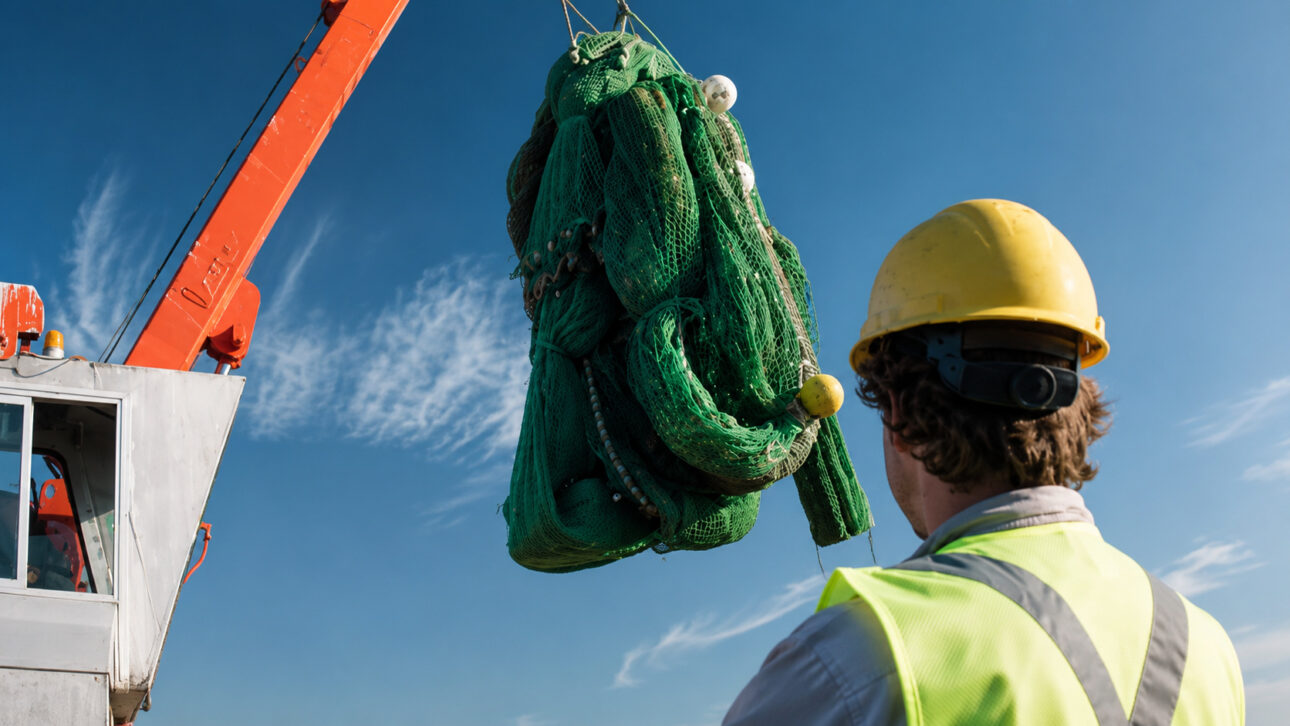
The recycling of fishing nets creates a different route. Instead of treating the net as simple waste, the industrial chain separates the material and prepares the plastic for a new function.
This repurposing reduces the need to use new plastic in part of the manufactured products. It also keeps a heavy-use waste out of an inappropriate disposal route.
Why the recycling of fishing nets requires more care
The nets arrive at collection with dirt, wear, and parts that need to be evaluated. Therefore, this plastic cannot go straight to the factory without undergoing preparation.
The first stage is sorting, which separates the material that can be utilized. Then comes cleaning, necessary to remove residues accumulated during use at sea.
Next is grinding, a process that reduces the nets to smaller pieces. Only then can the plastic advance to transformation into recycled raw material.
How the Fishing Net Collection Chain Works
Bureo maintains a collection program that started in South America and has reached eight countries. The used net is collected in fishing communities before proceeding to the treatment stages.
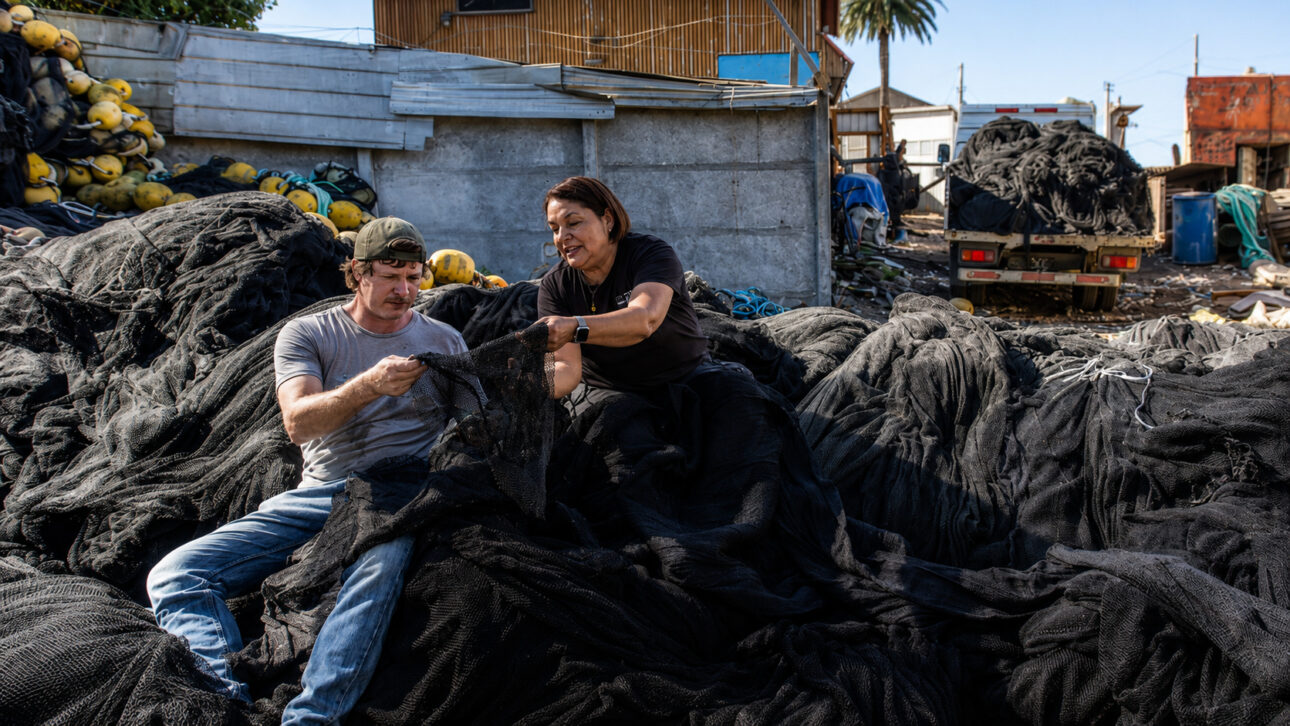
Collection is a decisive part of plastic recycling. Without an organized point to deliver old nets, the material may continue without a defined destination after leaving the boats.
After sorting, cleaning, and grinding, the nets become part of NetPlus. The name identifies a material produced from discarded nets and used to create new items.
From Used Plastic to Caps, Fins, and Clothes
Patagonia, a company of clothing and equipment for outdoor activities, brought the central numbers of this chain: more than 2 thousand tons of nets have been collected and reused since the beginning of NetPlus use, in 2020.
The recycled material appears in cap brims, jackets, sunglasses, surfboard fins, and even games. A net that is no longer suitable for fishing can thus return to the market with another function.
Part of the plastic can also become yarn for clothing. This transformation requires working with manufacturing chain partners to achieve a material suitable for use in garments.
Traceability Shows the Origin, But Does Not Eliminate Impacts
NetPlus is described as traceable plastic, an expression used when the origin of the material can be tracked. This helps to show that the raw material came from discarded fishing nets, and not from new plastic.
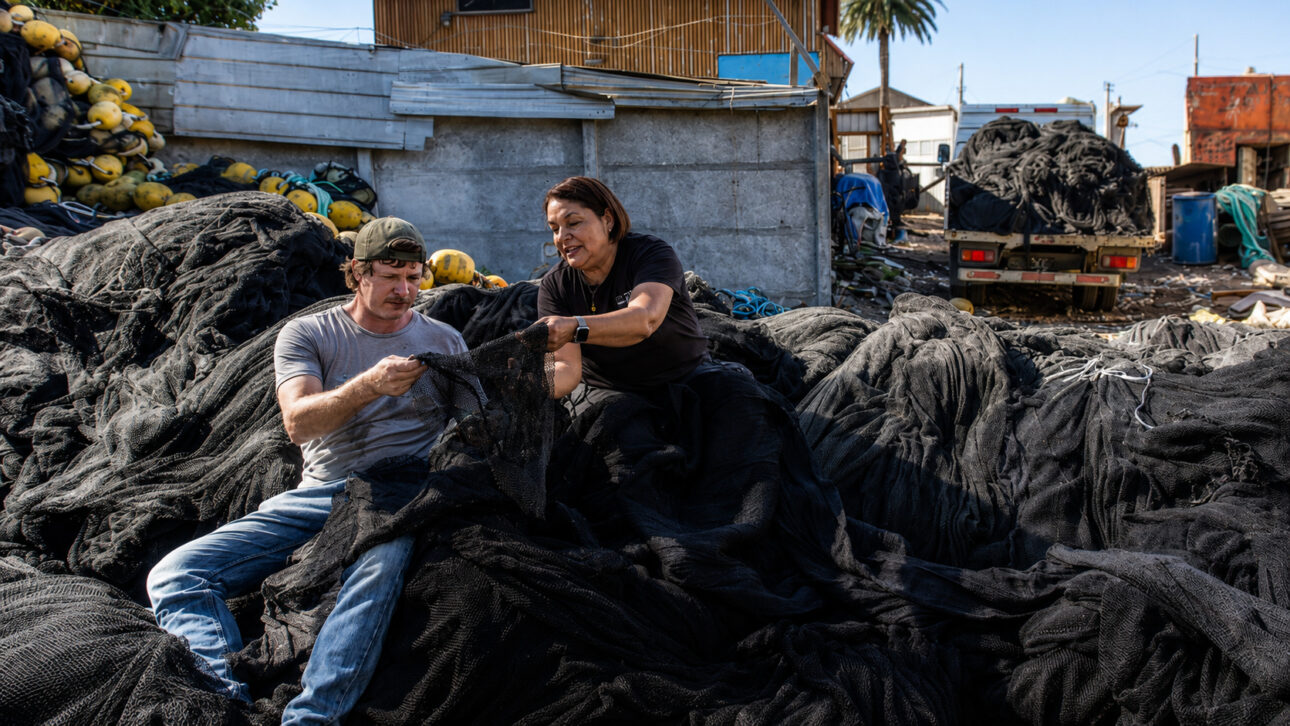
However, traceability does not eliminate all impacts. Collection, transportation, cleaning, grinding, and manufacturing still require organization, energy, and industrial structure.
The benefit lies in utilizing an already existing waste and reducing part of the demand for new plastic. The recycling of fishing nets depends on continuous collection and factories capable of keeping the material within a controlled chain.
The transformation of discarded fishing nets into recycled plastic shows that the solution begins well before the store. The path involves fishermen, collection points, and industrial processes that return utility to a material that could otherwise remain without a reuse route.
More than creating caps and fins, this chain tries to reduce the chance of old nets remaining in the marine environment or in landfills. The result depends on the quality of the collection and clear information about the origin of the material.
Would you buy a product if you could track a fishing net from the boat to the store? Comment and share this post.