





 Portuguese
  English
  Spanish
  3 min of reading


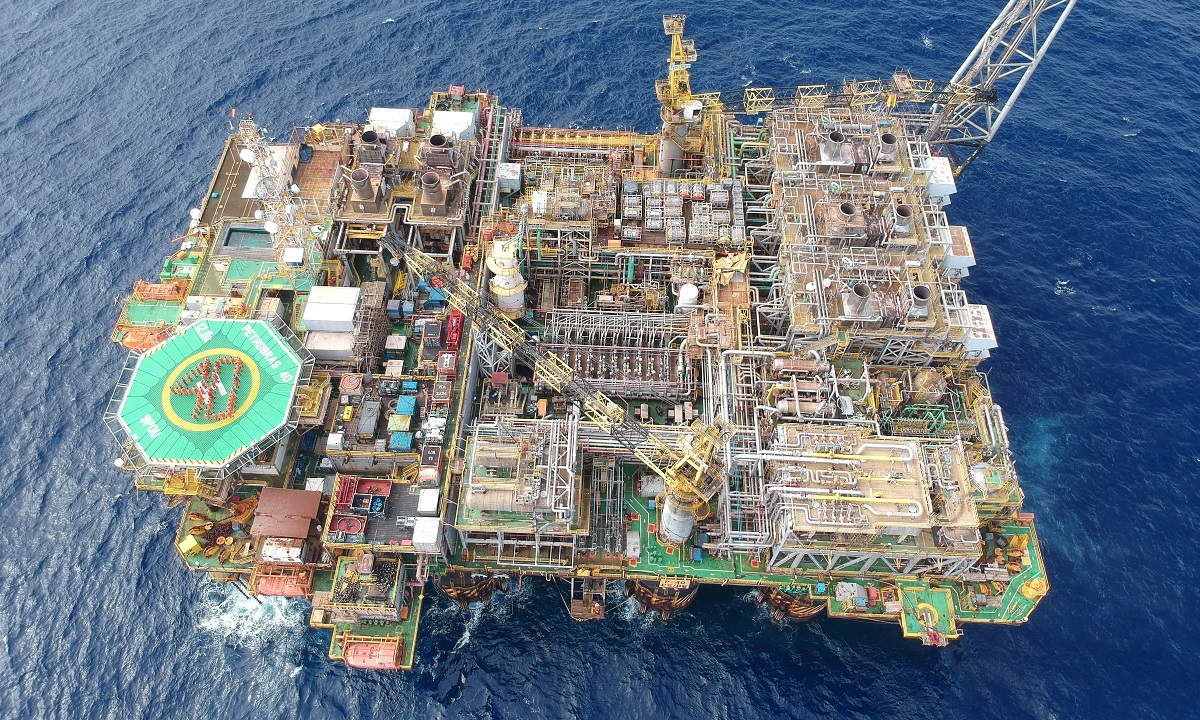
The Result Of The Analysis Declared That The Well In The Pre-Salt Of The Basin Of Campos Of Petrobras Will Have Production Capacity Of 15 Thousand Barrels Of Oil Per Day
The Petrobras began operation, at the beginning of this August month, of the oil well MLS-233 located in the pre-salt of the Basin of Campos. Preliminary research shows that the new well, along with P-40, in the Marlim Sul Asset, has a production potential of 15 thousand barrels of oil daily, exceeding Petrobras’ preliminary estimates.
The MLS-233 oil well of Petrobras in the Basin of Campos marks the beginning of production from the pre-salt of the Marlim Sul field and is a Long Duration Test (LDT), aimed at collecting information about the reservoir to support the resource exploitation plan.
This year, 2022, the stages of interconnection of Petrobras’ oil well to the platform and the pull in occurred in the Basin of Campos, utilizing exclusive technologies. Aiming to make its activities even safer, faster, and with lower carbon emissions, in the new well in the Basin of Campos, Petrobras stopped using the shallow diving support vessel (SDSV) and began using a subsea messenger cable with the use of a remotely operated underwater vehicle, a mini ROV, for the pull in operation.
-
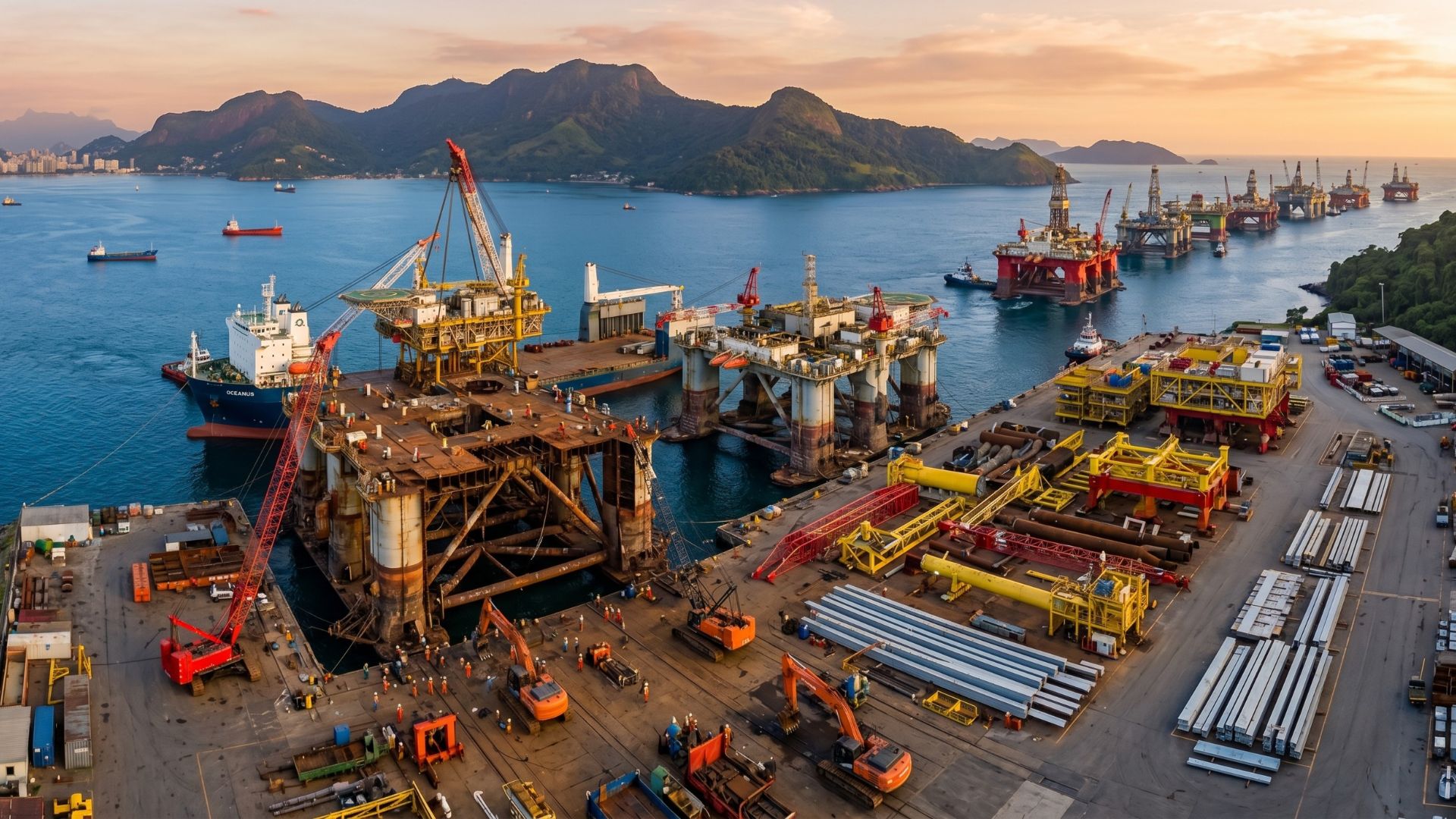
More than 40 Petrobras platforms enter the decommissioning queue and open up a billion-dollar industry in Brazil for cranes, special ships, underwater cutting, and offshore recycling.

-
ANP schedules oil auctions in October and reinforces regulatory predictability for concessions, sharing, and investments in the oil and gas sector

-
There is oil below the oil that Brazil already extracts: Petrobras confirmed a new accumulation in the Búzios field, at a depth of 5,600 meters, in a zone below the reservoir already operating in the Santos Basin.

-
404 km off the coast of Rio de Janeiro, an oil company drilled 5,855 meters into the ocean and discovered the largest oil and gas reserve found in a quarter of a century.


A drone was also used to assist in transporting the messenger cable between P-40 and the PLSV, a specialized vessel used for the construction and launching of rigid and flexible lines.
The use of the drone maintained a safer distance between the vessels, about 120 meters apart, and allowed real-time monitoring of the oil exploration stages through live-generated images. Petrobras’ initiatives resulted in a 75% reduction in HHER (man-hours exposed to risk) during the initial interconnection activities of the well in the Basin of Campos, as well as reducing the time by 70% in these two stages of oil exploration.
Initial Tests To Start Oil Exploration
After the results of the tests conducted on the new exploration well for oil in the Basin of Campos were released, Petrobras was surprised by the data presented in the document. According to the preliminary analyses made, the MLS-233 oil well of Petrobras, as previously mentioned, has a daily oil production potential of 15 thousand barrels, even exceeding Petrobras’ initial estimates.
“The MLS-233 symbolizes the beginning of pre-salt production from the Marlim Sul field and is a Long Duration Test (LDT), whose goal is to collect information about the reservoir to support the exploitation plan,” the company informed in a statement. Petrobras also stated that the use of new technologies allowed for a 70% reduction in the time of some stages and increased the safety of workers in the pre-salt of the Basin of Campos.
As stated, this year the stages of interconnection of the well to the platform and the pull in were carried out, utilizing differentiated technologies. Petrobras also stopped using the shallow diving support vessel (SDSV) and began using a subsea messenger cable with the remote-operated underwater vehicle, a mini ROV, for the pull in operation.
“A drone was also used to support the transport of the messenger cable between P-40 and the PLSV — a specialized vessel used for the construction and launching of rigid and flexible lines. The use of the drone maintained a safer distance between the vessels and also allowed monitoring of the stages through live-generated images,” Petrobras concluded.



Be the first to react!