






 Portuguese
  Spanish


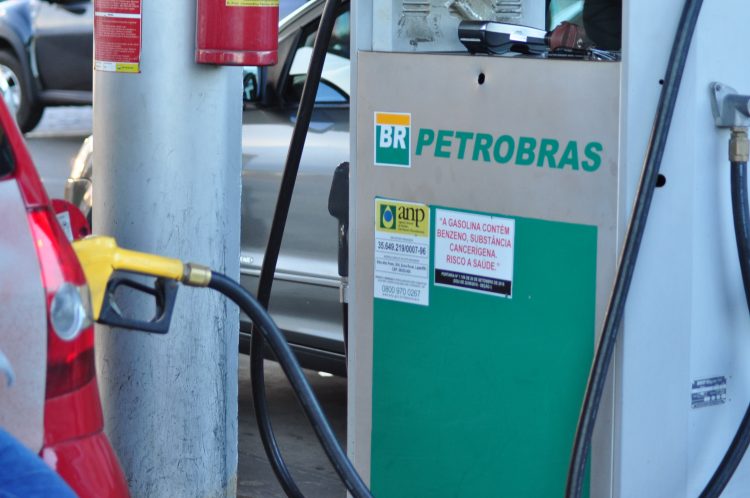

Saudi Refinery Bombing Drives International Price Up and Petrobras Adjusts Prices Starting Today at Refineries
After stating last Monday (09/16) that it would maintain fuel prices until oil values stabilized, Petrobras reversed its decision and raised diesel prices by 4.2% and gasoline by 3.5%.
The adjustment takes effect this Thursday at the refineries, and the pass-through to consumers is at the distributors and gas stations’ discretion.Gas stations are already being penalized for abusive prices!
Following the surge in international oil prices due to the bombing of oil facilities, including the world’s largest refinery,
-
Lenovo Unveils Legion Y700 Tablet with RGB Backlighting, 5G, and SIM Card Support
-
Lenovo Unveils Legion Y700 Tablet with RGB Backlighting, 5G, and SIM Card Support
-
Northern Brazilian City Prepares Task Force to Mitigate El Niño Impacts with Stockpiled Fish, Drone Monitoring, Firefighting, and Water Supply Reinforcement in Remote Areas

-
Brazil to Issue “Panda Bonds” in China, Aiming to Raise Up to 5 Billion Yuan at Lower Interest Rates Than Dollar Debt

Petrobras’s adjustment at refineries takes effect this Thursday (19) and comes after the surge in international oil prices due to attacks in Saudi Arabia.
The attack halved Saudi Arabia’s production, the world’s largest oil exporter.
Price Variations
Since Tuesday, however, oil barrel prices have been declining after the Saudis declared that they had already recovered part of their production and that the supply would be restored much more quickly than previously thought.
Since the attacks, which occurred last Friday, the price of Brent crude (international benchmark) rose by 5.6%, closing this Wednesday at US$ 63.60 per barrel, according to Reuters.
Currently, Petrobras has a pricing adjustment policy based mainly on international quotes. According to Sérgio Araújo, president of the Brazilian Association of Fuel Importers (Abicom), it is necessary for the company to follow the international market, and he stated: “Waiting for price stabilization after the event in Saudi Arabia was necessary.”
Thadeu Silva, head of the oil and gas area at INTL FCStone consultancy, also spoke to Reuters about Petrobras’s pricing policy and stated: “It is following market conditions.” “The adjustment it made (on diesel) is very close to what reflects the import parity in the international market now. So it is equalizing market conditions.”


