Portuguese
  Spanish




With Thermal Generation Driven by Natural Gas, Petrobras Expands Its Operations in the Electric Sector and Reports Strong Growth in Energy Sales in 2025
On October 27, 2025, Petrobras released results that drew attention from the Brazilian energy market. The state-owned company reported a 17% increase in electricity sales in the third quarter, totaling 903 MW on average sold.
This performance represents a strategic response to the drier hydrological scenario, which required greater thermal dispatch to preserve the levels of reservoirs in hydroelectric plants.
Petrobras Energy Sales Grow with Support from Thermal Plants
This advance reinforces Petrobras’ relevance in the electric sector, especially during times of climatic instability. Additionally, the anticipation of contracts from the thermal plants Ibirité and Termorio significantly contributed to this result.
-
USP researcher creates thesis to attract international funds for the country’s electric energy sector

-
Trafigura receives authorization from ANEEL to trade electricity in Brazil and expands its operations in the largest energy market in Latin America.
-
Mobile solar panels promised to share space with corn crops, but the 20% to 25% shade reduced production by an average of 7.7% and opened a new dispute between energy and food.
-
More than 80 million kilometers of wires need to be replaced by 2040: the energy transition doesn’t just depend on panels and electric cars, but on a colossal race for copper, aluminum, transformers, and recycling of old cables.


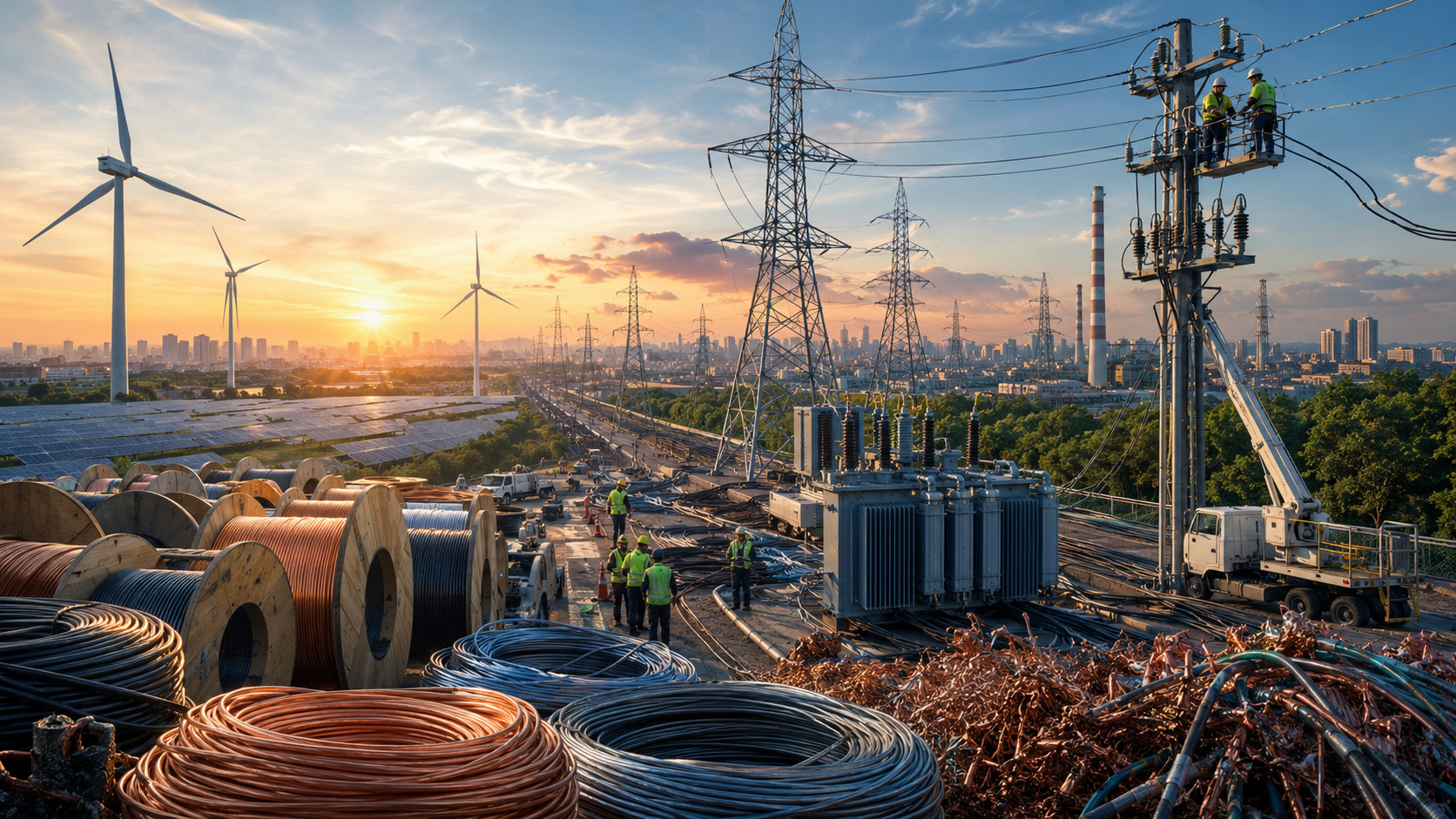
The 17% growth in electricity sales by Petrobras, compared to the previous quarter, reflects an efficient adaptation to adverse hydrological conditions. The prolonged drought led to the need for more thermal generation, which boosted energy sales from the state-owned plants.
Despite the quarterly advance, the volume represents a decline of 16.2% compared to the same period in 2024, highlighting the volatility of the sector and the direct influence of climatic conditions on energy production. Nevertheless, the performance shows how Petrobras has strategically positioned itself to meet the demand of the regulated market.
Operational Strategy: Anticipation of Contracts and Thermal Generation
One of the decisive factors for Petrobras’ performance was the anticipation of contracts from the 2021 capacity reserve auction. The thermal plants Ibirité (198 MW) and Termorio (922 MW) began operating under this contract in August 2025, increasing the energy supply in the regulated market.
This strategic movement demonstrates how Petrobras uses its thermal generation infrastructure to respond quickly to the demands of the electric sector, especially during periods of water scarcity. The anticipation allowed the state-owned company to better utilize its installed capacity, ensuring greater revenue predictability and operational stability.
Natural Gas as a Pillar of Energy Generation
Petrobras’ thermal generation is strongly based on natural gas, a fuel that plays an essential role in the Brazilian energy matrix. With the growing need for thermal dispatch, natural gas is solidifying as a safe and efficient alternative to ensure energy supply.
Furthermore, the use of natural gas helps to reduce dependence on hydroelectric plants, providing greater stability to the national electrical system. Petrobras, as one of the main producers and distributors of gas in the country, is well-positioned to meet this growing demand. The integration between gas production and thermal generation is a competitive advantage of the state-owned company.
Petrobras Revenue Driven by Energy Sales
The increase in energy sales not only strengthens Petrobras’ position in the electric sector but also boosts its operating revenue. The sale of 903 MW on average represents a significant volume, especially in a context of greater valuation of thermal energy.
This performance reinforces the importance of Petrobras as a strategic agent in Brazil’s energy security, contributing to the balance between supply and demand during critical moments. The revenue generated from energy sales can help finance new projects and maintain the financial sustainability of the company.
Brazilian Electric Sector: Challenges and Opportunities
Despite positive results, the Brazilian electric sector faces ongoing challenges, such as climatic variability, the need for infrastructure modernization, and the transition to renewable sources. Petrobras, in turn, needs to balance its operations between thermal generation and investments in clean energy.
The company has already signaled interest in expanding its presence in solar and wind energy projects, which could further diversify its generation matrix and strengthen its competitiveness in the long term. The electric sector requires long-term planning, technological innovation, and public policies that encourage diversification of the energy matrix.
Petrobras and the Strategic Role in Energy Supply
The 17% growth in electricity sales by Petrobras in the third quarter of 2025 is a relevant milestone for the national electric sector. The strategic action of the state-owned company, combined with the operational efficiency of thermal plants and the use of natural gas, demonstrates its ability to respond swiftly to market demands.
This result reinforces Petrobras’ importance as a stabilizing agent of the Brazilian energy system, especially during times of water crisis. With prospects for diversification and innovation, the state-owned company continues to be a reference for reliable and competitive energy supply.
Moreover, Petrobras has shown itself capable of adapting its commercial strategy to market conditions, seizing short-term opportunities without losing sight of long-term goals. The integration between its operations of exploration, production, refining, distribution, and electric generation allows for a systemic view that few companies possess.
Energy as a Vector for Economic Transformation
The sale of energy by Petrobras is not just an operational issue, but also a vector for economic transformation. By ensuring energy supply during critical moments, the state-owned company contributes to the maintenance of industrial, commercial, and residential activity, preventing blackouts and instabilities that could jeopardize the country’s growth.
Additionally, the revenue generated from energy sales allows Petrobras to invest in new technologies, expand its installed capacity, and diversify its operations, strengthening its position as one of the largest energy companies in Latin America.
The role of Petrobras in the electric sector goes beyond thermal generation. The company is involved in discussions about energy transition, decarbonization, and innovation, topics that will become increasingly relevant in the coming years. The ability to adapt and invest will be crucial for the future of the company and the sector as a whole.