






 Portuguese
  Spanish


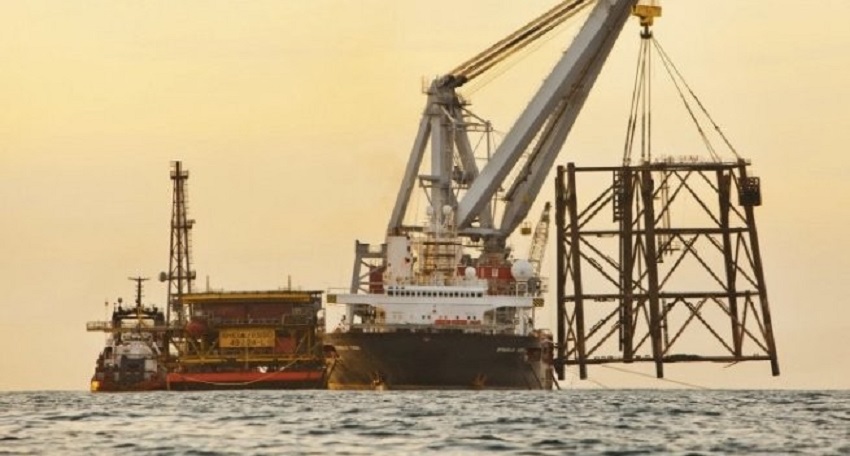

After The Cação Platforms, Petrobras Will Decommission Seven More Units That The Company Says Are Already Out Of Operation
After Epic Won The Bid From Petrobras To Decommission The Three Platforms From The Cação Field, it is now time for the Brazilian state company to announce that it is preparing to decommission seven more units by 2020.
According to the state-owned company’s decommissioning manager, Eduardo Zacaron, the decommissionings will not affect the company’s production, as these platforms are already out of operation.
Petrobras’s plan is to deactivate seven platforms between 2019 and 2020, in addition to the three platforms that operated in the Cação field in Espírito Santo.
The Cação field has been inactive since 2010, and in 2015 Petrobras obtained the license for the abandonment of the wells. According to Petrobras’s manager, who stated: “We need to make this market viable for Brazil”, during the Decommissioning in Brazil: Opportunities And Challenges seminar, sponsored by FGV Energy.
-
Over 2,000 Tons of Discarded Fishing Nets Since 2020 Repurposed into Durable Caps, Fins, and Parts

-
Seals and Sea Lions Lose Habitat and Food as Climate Change Advances, Impacting Ice, Prey, and Coastal Communities

-
Brazilian Innovator Uses 3D-Printed Device to Cool Two Rooms with One Air Conditioner
-
China Uses 432 Robots to Move a 7,500-Ton Historic Building in Shanghai, Preserving Architecture While Creating Space for Underground Center


The model for this type of business (decommissioning) is being called EPRD (engineering, preparation, removal, and disposal), and Cação is the first of its kind at Petrobras. Currently, the contract with EPIC is in the approval phase.
The final stage of the deactivation of the three Cação platforms (PCA-1, PCA-2, and PCA-3) will be the final removal of the decks and the jackets, scheduled for 2020.
The model applied to the other contracts should be the one used in Cação, which Zacaron considered a success given that 11 companies competed with proposals in the bid.
New Projects
Zacaron also stated: “The focus is not on decommissioning, but on investing. What does not fit our portfolio still has a market”, clearly intending for smaller companies to be interested in the assets.
Petrobras currently has eight decommissioning projects to be executed in the coming years, involving a total of ten platforms, which are: PCA-1, PCA-2, PCA-3, P-7, P-12, P-15, P-33, FPSO Cidade do Rio de Janeiro, FPSO Cidade de Rio das Ostras, and FPSO Piranema.
Read Also! Enseada Shipyard Signs Contract For Platform Maintenance!


