Portuguese
  Spanish


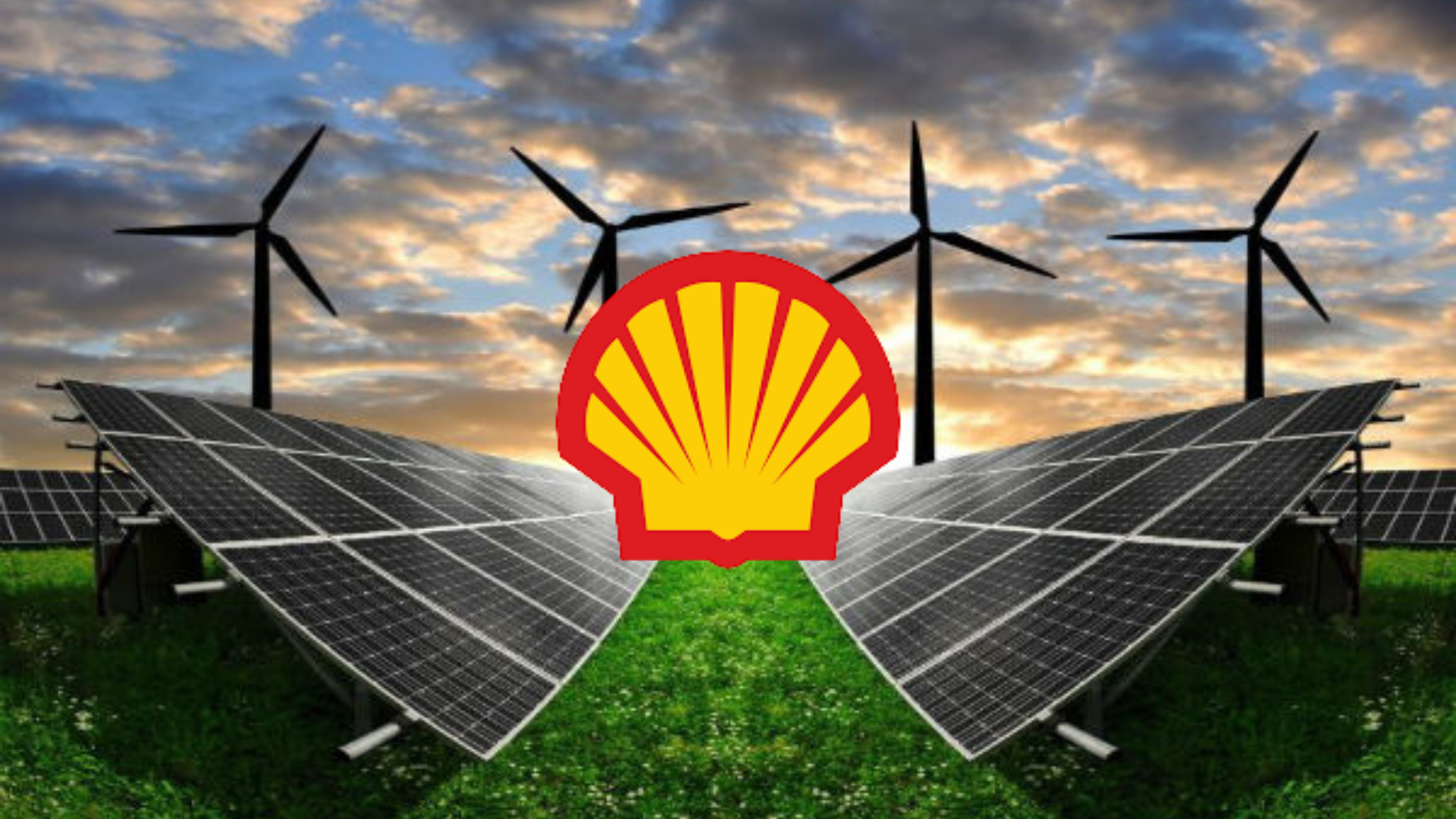

The Company Announced The Launch Of The Shell Energy Brand, Which Will Act Only In The Development Of Clean Energy Projects
The Anglo-Dutch multinational Shell plans to invest more than R$ 3 billion in renewable energy projects in Brazil by 2025. The strategy of one of the largest oil and gas producers in the world is to expand solar energy, offshore wind, and natural gas-fired power plants. According to Shell, Brazil is one of the priority markets in the world, alongside the United States, Australia, and Western Europe. Also Read This News: Shell, Global Oil Giant, Will Produce Ten Times More Sustainable Aviation Fuel By 2025
- New Aircraft Factory Worth R$ 50 Million Could Be Built In The State Of Ceará
- Oil Rises And Reaches A Nearly Three-Year High; Vitol Sees Barrel Above US$ 80 Due To Energy Crisis
- Brazil Exports Largest Nickel Shipment In 2021 To Supply The European Battery Market For Electric Vehicles, Through The Brazilian Mining Company Atlantic Nickel
- Sotreq, Distributor Of Caterpillar Machines And Services, Is Hiring Candidates With And Without Experience For Job And Internship Positions
- Digital School Offers R$2 Million In Scholarships For Low-Income Students To Learn Technology With Experts From The Best Companies In Brazil
Shell Aims To Expand The Marketing Of Electricity From Renewable Sources
The company announced the launch of the Shell Energy brand, which will act only in the development of clean energy projects. According to Guilherme Perdigão, Director Of New Energies At Shell Brazil And Shell Energy, the company’s focus is to invest in electric power generation projects and expand the marketing of electricity from renewable sources.
The executive states that “There is an increase in electricity consumption in Brazil and a forecast of 5% growth per year. Brazil is a priority for Shell. Of the R$ 3 billion in investments planned until 2025, a large part will be in solar projects and natural gas-fired power plants.” The executive highlighted that the company intends to participate in the emergency auction that will be conducted by the government for the procurement of energy through power plants.
-
Brazilian scientists are simultaneously advancing two research projects on clean hydrogen and driving solutions that could transform the energy matrix, enhance industrial competitiveness, and accelerate large-scale emission reduction targets.

-
Advancement in renewable energy: A R$ 150 million project launched by Petrobras and Finep aims to create state-of-the-art electrolyzers for green hydrogen, strengthening national research and preparing Brazil to compete in a billion-dollar energy market.
-
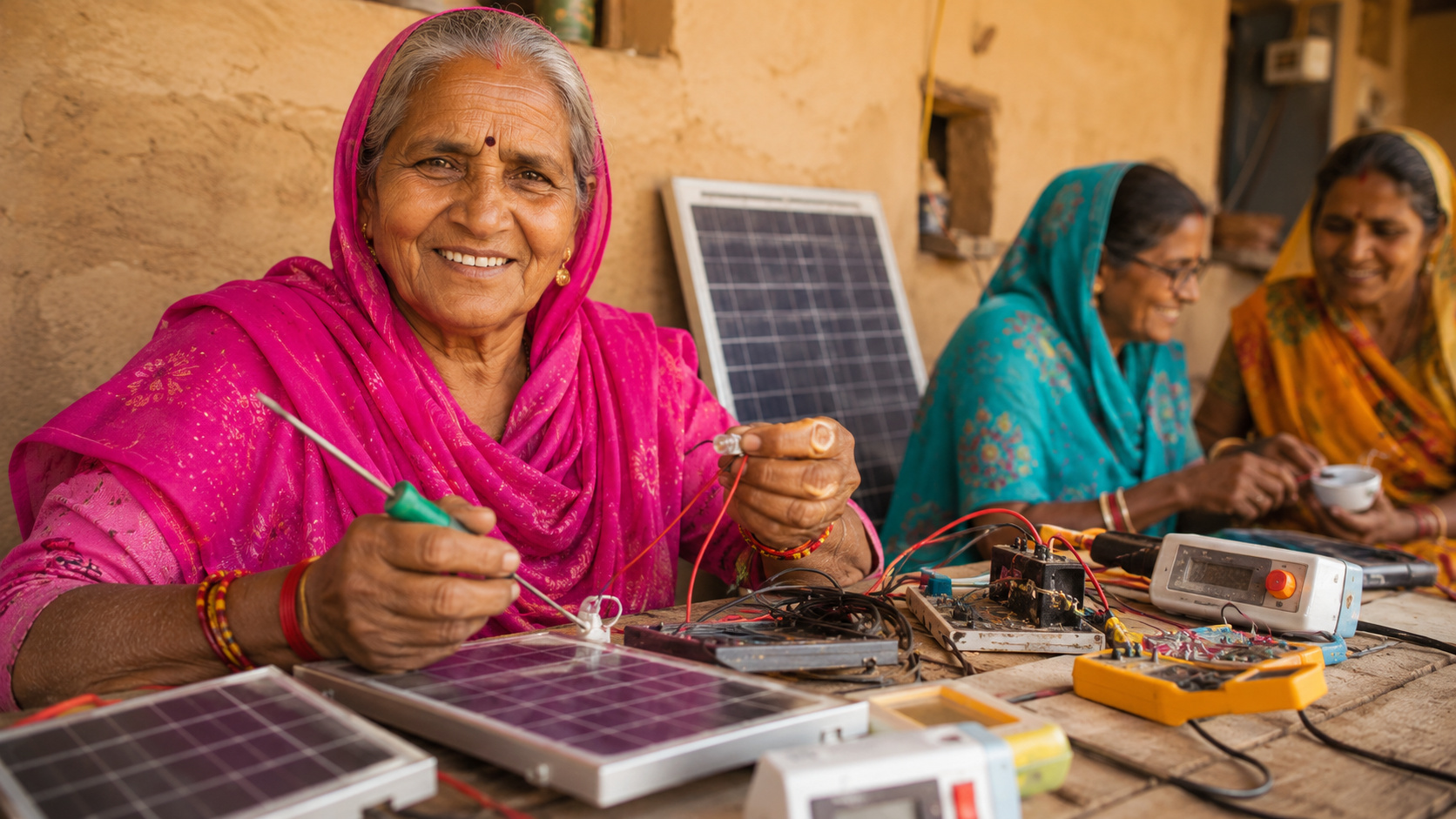
Illiterate or semi-literate grandmothers were trained to repair solar systems, open rural workshops, and light up homes that still depended on kerosene.
-
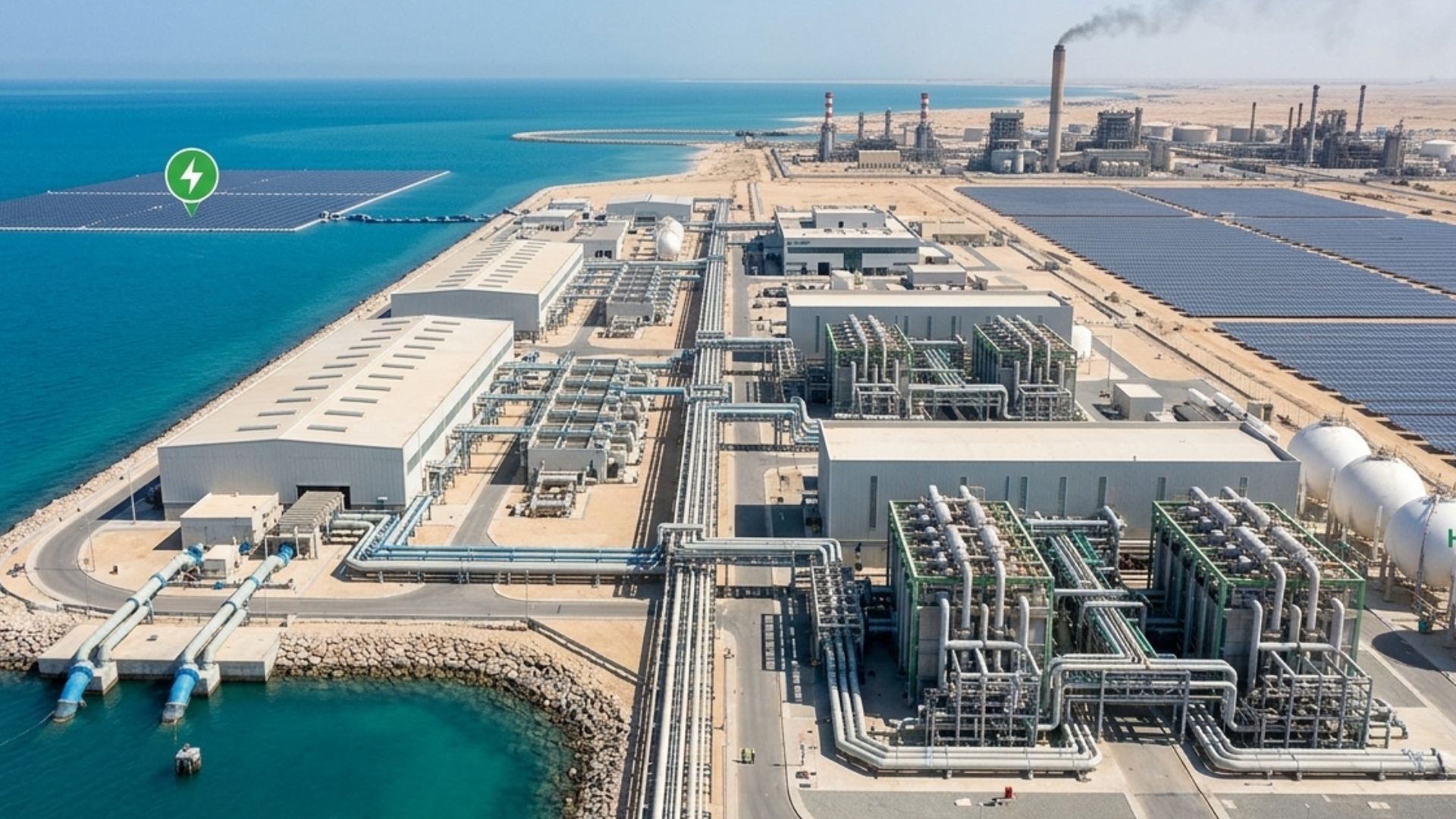
The world has bet on green hydrogen as the fuel of the future, but now faces the side effect: producing 1 kilogram requires about 9 liters of ultrapure water, and the largest projects on the planet are precisely in the driest regions of the Earth, where water is already scarce for people.


Recently, Shell Partnered With Gerdau For Investments In A New Solar Power Plant
Shell Brazil and Gerdau closed a cooperation partnership to invest in a solar power plant in the municipality of Brasilândia de Minas, in Minas Gerais. The partnership establishes initial ideas for the creation and discussion of a new joint venture.
The plant, named Aquarii, will have an installed capacity of 190 MW and will provide a portion of sustainable energy to the free energy market, through Shell’s energy trading company, and another portion to Gerdau’s steel production units, starting in 2024. The solar joint venture will have equal participation from both companies and is part of the decarbonization and energy transition strategies of the companies.
This is a voluntary step by Shell Brazil in offering more services and products from renewable energy, which is fully aligned with Gerdau’s pursuit of a cleaner energy matrix.
The Company Plans More Investments In Renewable Energy To Achieve Carbon Neutrality
Royal Dutch Shell, or simply Shell, the Anglo-Dutch oil multinational, recently announced that it has an energy transition strategy to align its operations with the goals of ‘net zero’ carbon emissions. The oil company seeks to direct a larger portion of its capital expenditure to growth businesses, such as renewable energy and transition, rather than prioritizing conventional exploration and production areas.
Forbes reported that by 2025, Shell aims to launch 15,000 convenience stores, expand its retail service portfolio, and install around 500,000 charging points for electric vehicles. Curiously, the company launched Shell Café in the Netherlands and Russia. The growth pillar strategy aims to introduce new revenue streams, maintain market share in resilient sectors, expand the customer base, and gain experience in decarbonizing mobility and other sectors.
Additionally, Shell aims to achieve a double-digit share in the clean hydrogen market by 2035. It is estimated that these businesses will receive 30% of the capital expenditure budget, while net debt falls to below US$ 65 billion.