Portuguese
  Spanish




Oil Investors Face 2024 With Supply Glut and Demand Uncertainties, Say Reuters Economists. OPEC+, Exports, Refineries and a Strong Dollar Are Key Factors.
Investors in the oil market are preparing to face 2024 with ongoing concerns. The latent tension in the Middle East, the slowdown in economic growth, and the supply glut are the main challenges that could trigger price volatility, keeping them alert to changes in the global landscape.
The benchmark Brent index has averaged around $80 per barrel this year amid a volatile period. In 2022, prices soared above US$ 100 after Russian supply was disrupted due to the onset of the war in Ukraine, directly impacting the oil market. The current scenario remains challenging, with a strong dollar and robust production outside of OPEC, despite demand hitting a record high of over 100 million barrels per day (bpd), maintaining uncertainty in the market.
Increase in Oil Price Forecasts for 2024
A survey by Reuters with 30 forecasts from economists and analysts indicates that Brent crude will average US$ 84.43 per barrel in 2024, a significant increase compared to previous projections.
-
Qantas and Airbus Invest in Company Aiming to Convert Unsorted Household Trash into Jet Fuel

-
Brazil’s ANP Opens 86 New Oil Blocks in the Equatorial Margin, Expanding the Amazon River Mouth Frontier

-
OPEC+ Boosts Oil Supply by 188,000 Barrels per Day in July 2026, Leading to Price Drop from $112 to $89 per Barrel in Under Two Months

-
TotalEnergies Signs 20-Year Deal to Purchase 2 Million Tons of LNG from Alaska, Boosting Project Viability


These expectations arise despite demand forecasts for growth ranging from 1.1 million bpd from the International Energy Agency to 2.25 million bpd expected by the Organization of the Petroleum Exporting Countries (OPEC).
Supply in 2024 is expected to grow between 1.2 million and 1.9 million bpd, driven by non-OPEC producers, say the consultancies Rystad Energy, J.P. Morgan, Kpler and Wood Mackenzie, showcasing a significant increase in oil production in the global market.
‘We are looking at a market with a supply glut every quarter of the coming year’, said Vikas Dwivedi, Global Energy Strategist at Macquarie, emphasizing changes in the oil market.
Here are the key factors to watch in 2024.
Challenges for Oil Investors
OPEC+ Compliance
Investors are first keeping an eye on quarterly data on supply to verify whether OPEC and its allies, known as OPEC+, have adhered to their planned voluntary production cuts of 2.2 million bpd, highlighting the importance of OPEC and OPEC+ decisions in the oil market.
If the group complies, this could lead to a small deficit of over 500,000 bpd, ANZ said, illustrating the influence of OPEC and OPEC+ actions on prices and oil supply.
Ann-Louise Hittle of WoodMac said: ‘The first quarter will be critical because we can evaluate adherence to OPEC+’s voluntary supply cuts.’ OPEC and OPEC+ decisions can have significant implications for prices and oil supply.
Impact of Exports and Sanctions
Wildcards – Russia, Iran, Venezuela
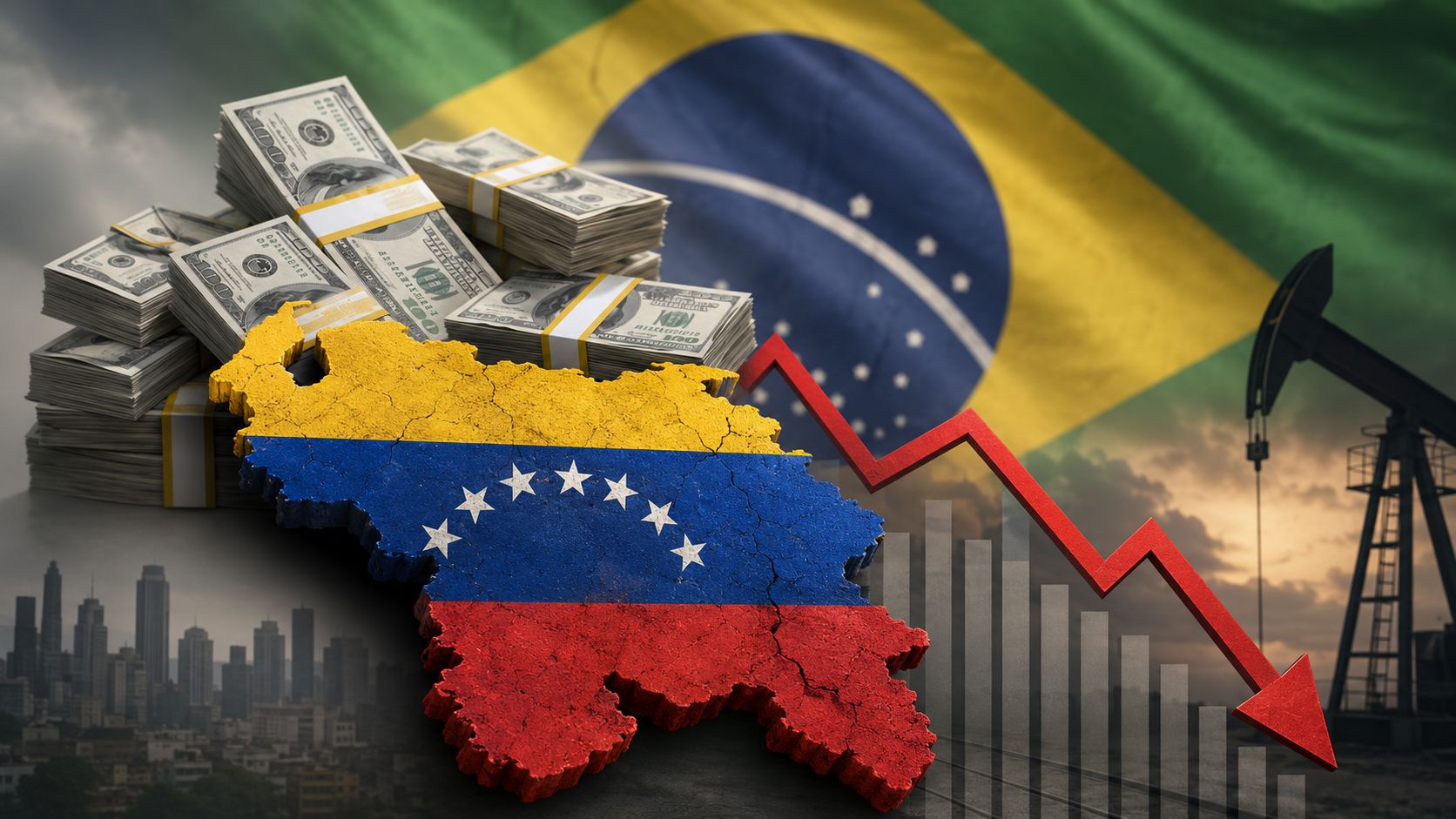
Venezuelan oil has returned to global markets since then. Washington suspended sanctions on the OPEC producer for six months until April, highlighting the volatility of oil exports.
Another six-month extension is likely, provided President Nicolás Maduro’s government follows an electoral roadmap agreed upon with the opposition for a presidential election, JP Morgan analysts said, emphasizing the political instability and its impact on the oil market.
The resumed supply of heavy oil from Venezuela to the United States and India could reduce demand for rival types such as Iraq’s Basrah Heavy and Canada’s Cold Lake, traders said, shedding light on the effects of oil exports across different regions of the world.
Global Market Trends
New Refineries
The tightness in refined products, especially diesel after the Russian invasion of Ukraine, is expected to ease as over 1 million bpd of new refining capacity comes online in China, India, Mexico, the Middle East, and Nigeria in 2024, analysts said, highlighting changes in refining capacity across different regions.
This includes the newly arrived Chinese Yulong Petrochemical, expansions at Indian refineries in Panipat and Koyali, Nigeria’s Dangote project, and Mexico’s Dos Bocas, demonstrating significant global refining capacity expansion.
Quality Mismatch in Oil
Non-OPEC producers led by Brazil, Guyana, and the United States are expected to drive production growth in 2024, increasing the supply of light sweet oil, while medium sour oil types are likely to remain constrained by OPEC+ cuts, highlighting changes in the composition and quality of oil available in the market.
This could narrow the price spreads between different crude oil types globally, Dwivedi of Macquarie said, with medium-grade oil trading close to parity with light sweet oil at a typical discount of US$ 2 to US$ 4 per barrel, while the discount for heavy oil versus light oil could decrease to around US$ 4 per barrel, down from US$ 8 previously, underscoring changes in the relative prices of different types of oil.