Portuguese
  Spanish


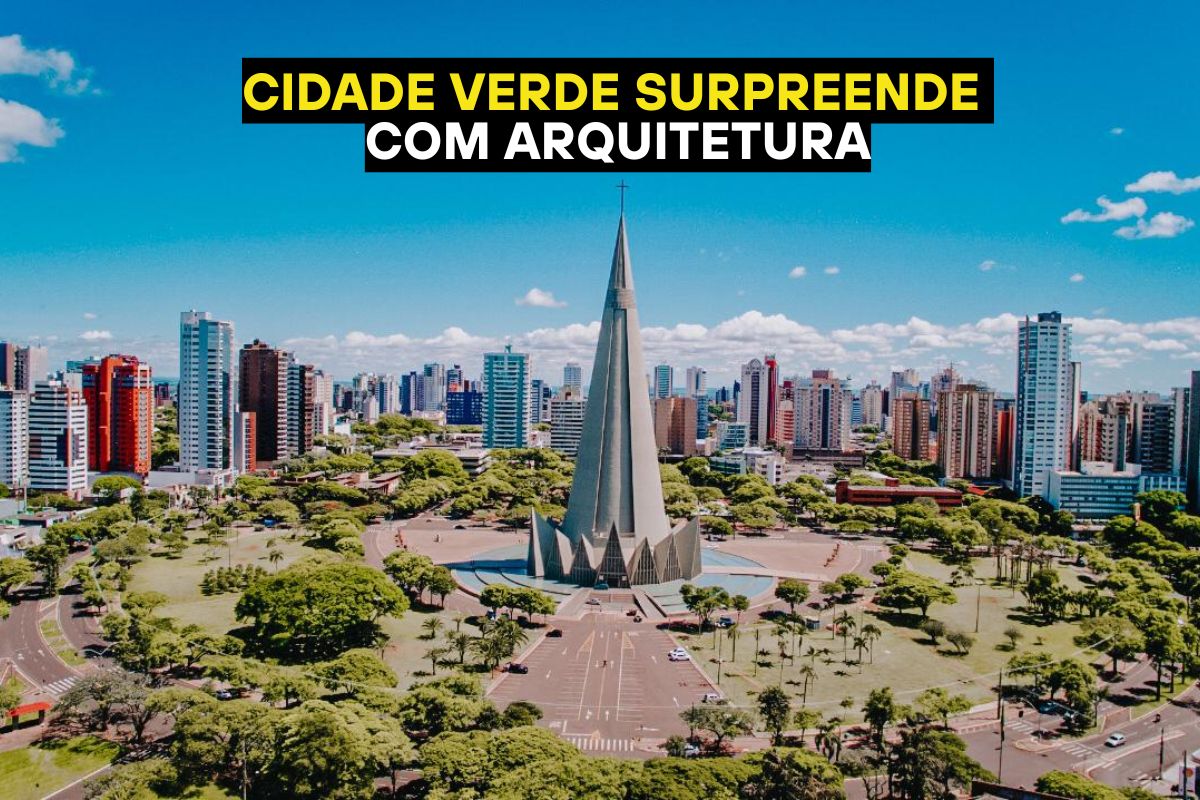

Paraná City Combines Wide Avenues, Green Areas, and Modern Architecture, Establishing Itself as a Cultural and Historical Tourist Destination.
Maringá Surprises Brazilian and Foreign Visitors with its unique mix of urban planning, preserved nature, and vibrant culture. Located in Paraná, the city originated from an urban planning project from the 1940s and grew based on wide avenues, tree-lined squares, and architectural monuments that mark its identity.
According to Revista Oeste, this balance between green areas, modernity, and cultural tradition has transformed Maringá into one of the most attractive destinations in Southern Brazil.
The city not only charms with its planned visual but also with the diversity of experiences it offers to residents and tourists.
-
How to Prevent Brown Recluse Spider Bites: Common Hiding Spots and Free Tips to Reduce Risks

-
Natto: The Unusual Japanese Superfood Gaining Popularity on Social Media and Driving Record Exports
-
Brazilian Mayor Goes Undercover as Homeless for 24 Hours to Assess Public Services

-
15-Year-Old Entrepreneur Malu Lira Publishes 20 Children’s Books on Financial Education, Earns $500,000, and Expands Her Project to the Amazon Rainforest




The Planned Origin of Maringá
The history of Maringá begins in the 1940s when a British company designed an urban model inspired by modernism.
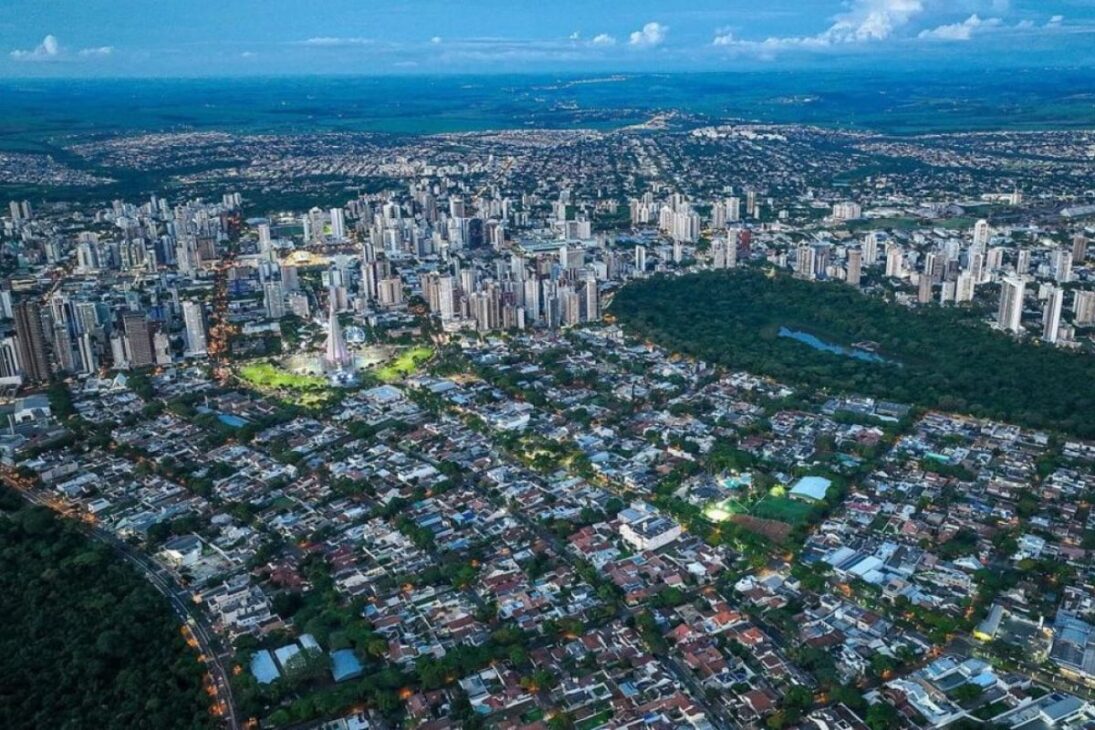
The proposal anticipated wide avenues, extensive green spaces, and well-distributed residential zones, which ensured the municipality a orderly growth.
This distinguishing feature is still evident today: the city stands out as an example of urban planning in Brazil, preserving the concept of a garden city.
This initial care made Maringá a reference for those studying urbanism and quality of life in large centers.
Modern Architecture and Cultural Icons
Among the most well-known landmarks is the Minor Basilica Cathedral Our Lady of Glory, inaugurated in 1972.
Designed by José Augusto Bellucci, its conical structure was inspired by the space race, becoming a symbol of local modernity.
Another highlight is the Calil Haddad Theatre, with a diverse program and a structure that caters to large productions.
Meanwhile, the Santa Cruz Chapel, from 1945, preserves historical memory as the first religious temple in Maringá, listed as municipal heritage.
This combination of architectural works impresses both Brazilian and foreign visitors, reinforcing the cultural identity of the city.
Green Areas That Surprise Tourists
Environmental preservation is one of Maringá’s strongest features, which houses parks recognized for their beauty.
The Japan Park, inaugurated in 2008, occupies 100,000 m² and honors the local Japanese heritage with zen gardens, lakes, and cultural events.
The Ingá Park, opened in 1970, is a 47.3-hectare refuge in the urban area, with trails, a lake, and a small zoo.
These green spaces offer leisure, contact with nature, and quality of life to residents and visitors, consolidating Maringá’s image as a “garden city.”
Culture and Artistic Life
According to Revista Oeste, the cultural scene in Maringá is one of its major attractions. The City Song Festival, held since 1974, is an example of the local artistic vocation, revealing talents from Brazilian popular music and promoting cultural exchange among artists from different regions.
In addition to music, visual arts, theater, and dance animate the city’s cultural life, making each visit a dynamic and enriching experience.
The diversity of events ensures that both residents and tourists find options for leisure and cultural learning throughout the year.
Maringá Today: Between Nature and Modernity
Maringá maintains its essence as a planned city but positions itself as a modern and dynamic center. The combination of organized urbanization and abundance of green areas creates a unique environment in Brazil.
Cultural events and renewed public spaces complement the experience, attracting increasingly more visitors.
This balance between past and present, tradition and innovation, helps explain why Brazilian and foreign visitors continue to be surprised by the green capital of Paraná.
Maringá is an example of how urban planning, environmental preservation, and cultural investment can transform a city into a prominent tourist destination.
According to Revista Oeste, its modern architecture and green areas continue to enchant those who pass by.
And you? Have you visited Maringá? What caught your attention the most: the nature, the architecture, or the cultural scene?
Share your experience in the comments and help show different perspectives on this planned city.