Portuguese
  Spanish


Wheat, Sugarcane, Cotton, and Coffee Were Not Just Foods or Commodities: They Defined Trade Routes, Sustained Empires, and Driven Social Revolutions
Over the centuries, some plants have evolved from being merely foods or raw materials to become transformative forces of humanity. They defined trade routes, shaped cultures, sustained empires, and even sparked conflicts.
From wheat cultivated in the Fertile Crescent to the sugarcane that moved entire colonies, through the cotton of the Industrial Revolution and the coffee that boosted Brazil, each carried an impact that surpassed generations.
More than sustenance, these plants represented wealth, power, and opportunities. Some were symbols of food security, others created fortunes and also inequalities.
-
India’s Sugar Export Cuts and Ethanol Shift Amid El Niño Threat Could Impact Global Prices and Stocks

-
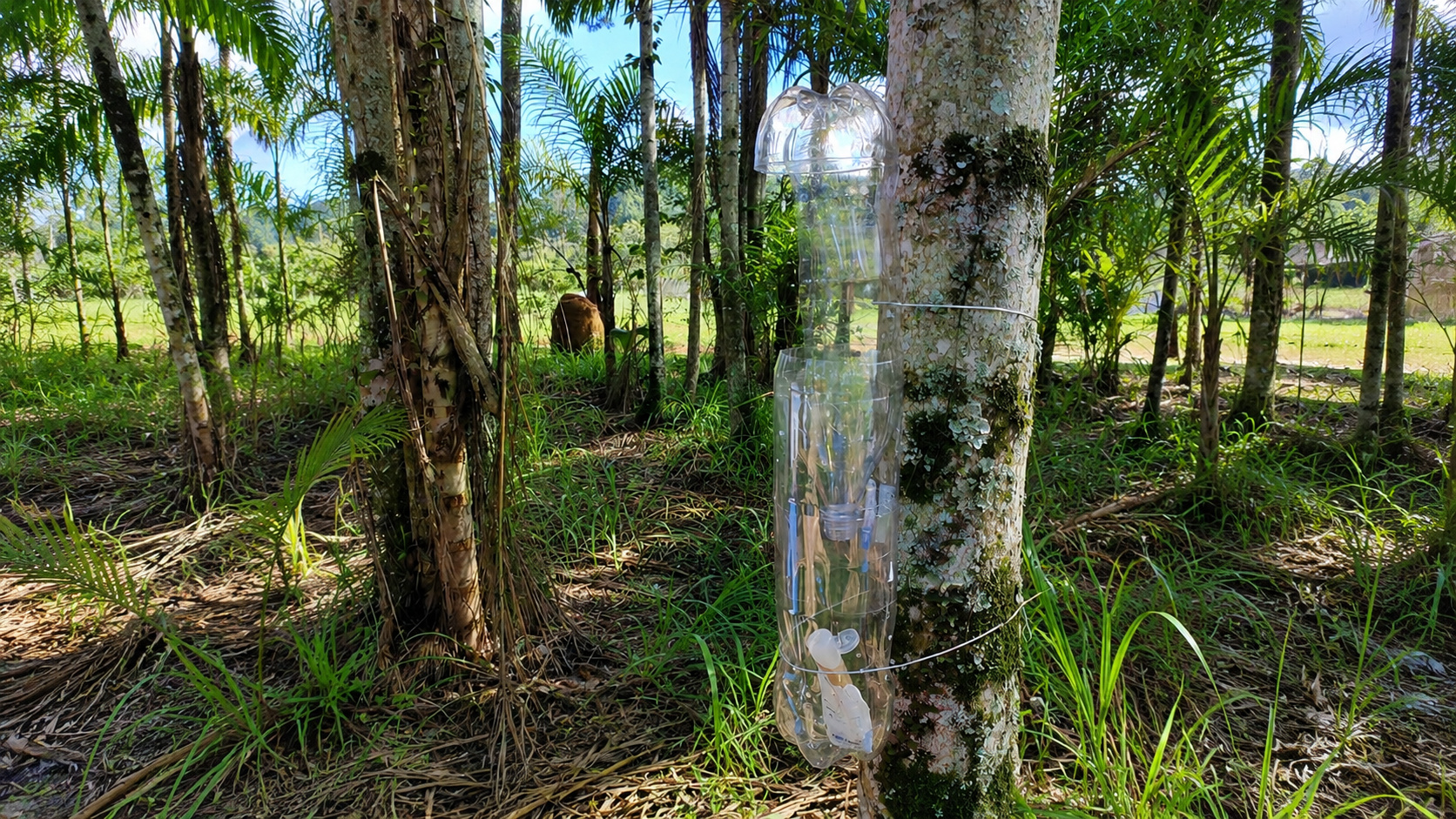
Quarantine Pest Threatening Palm Trees Puts Brazilian Authorities on Alert, Prompts Monitoring at University of Taubaté and Potential Control Measures Across São Paulo
-
Global Alert: Report Finds 159 Pesticides in Coffee Beans Sold in Europe, Posing Serious Risks to Millions of Farm Workers
-
Low-Demand Brazilian Beef Offal Gains Popularity Abroad: Indonesia Purchases $19.5 Million, Boosting Revenue and Reducing Waste



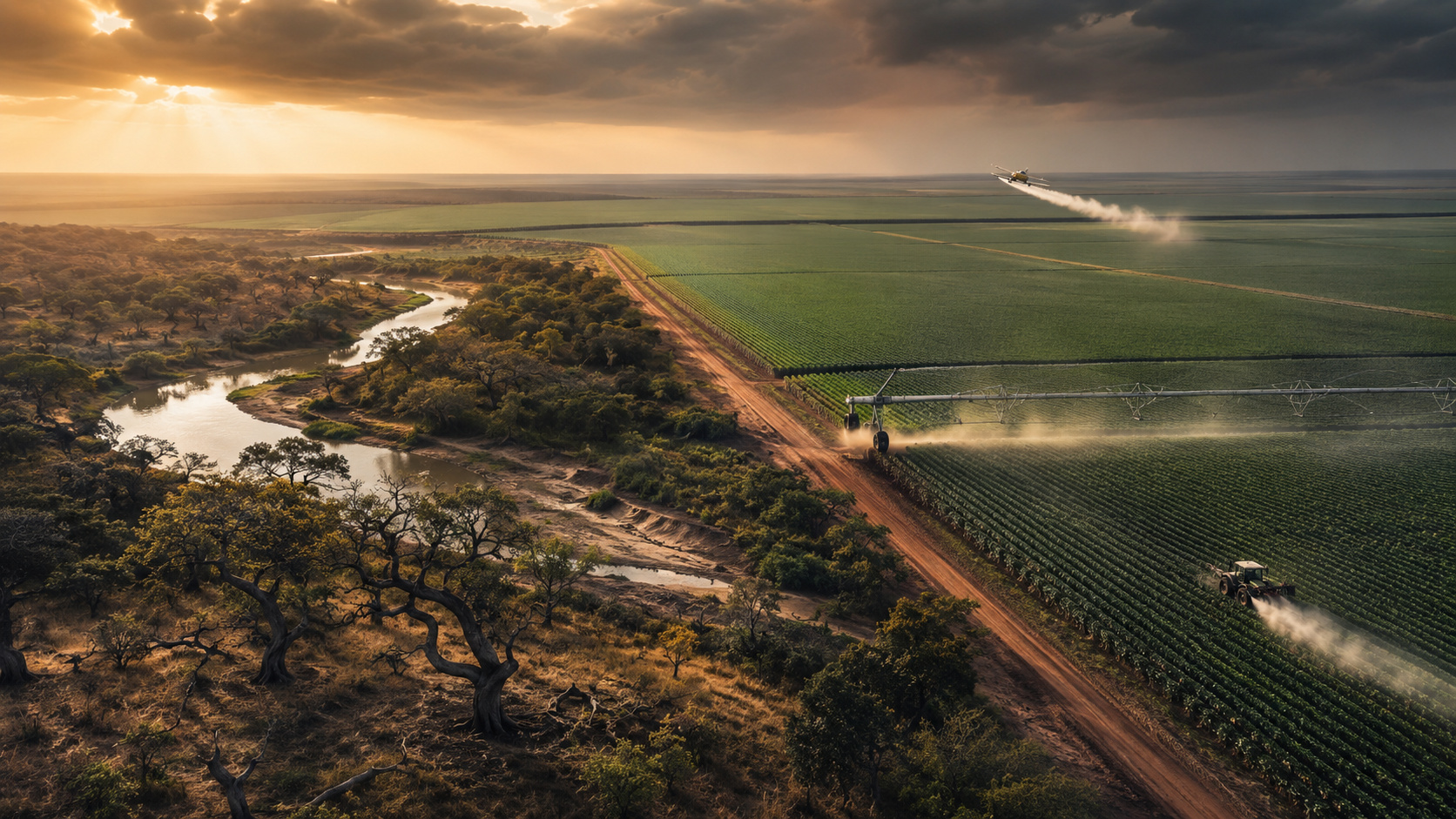
All of them helped to write human history, showing how agriculture has always been at the center of progress and collective dependence.
Wheat — The Foundation of Civilization
Wheat emerged as a protagonist around 10,000 years ago in the Fertile Crescent. Its domestication marked the beginning of sedentary life, allowing the creation of the first villages and, later, organized empires.
Thanks to wheat, nomadic peoples were able to settle in a territory, store surpluses, and create early forms of trade.
Therefore, besides being a food, the grain symbolized stability and security. It also encouraged agricultural innovations and became one of the pillars of civilization.
Sugarcane — The Sweet Gold
Sugarcane redefined entire economies when it arrived in the Americas. In Brazil and the Caribbean, intensive cultivation required large-scale labor, fueling the trafficking of enslaved people and establishing trade connections between Europe, Africa, and America.
This “sweet gold” generated fortunes and sustained colonies for centuries. Furthermore, it left deep cultural marks on producing countries, influencing everything from cuisine to social structure. Sugarcane, therefore, was more than a commodity: it transformed societies.
Cotton — The Fiber of the Revolution
Cotton had a decisive impact during the Industrial Revolution. As an essential raw material for the textile industries, it propelled mechanization, urban growth, and global exports.
In the United States, cotton became the center of social and political disputes. The dependence on its cultivation was linked to enslaved labor, generating tensions that culminated in the Civil War. Furthermore, its international trade consolidated economic networks that shaped the 19th century.
Coffee — The Drink That Conquered the Planet
Originating from Ethiopia, coffee spread around the world through Arab trade and gained importance starting in the 18th century. In Brazil, it found the ideal climate and territory for large-scale expansion.
The beverage quickly became one of the most consumed and traded products globally. Because it was not just an economic issue: coffee shaped social habits, stimulated urban gatherings, and solidified itself as part of the daily lives of millions.
In Brazil, the so-called “coffee cycle” was determinant for the formation of the national economy and the growth of cities like São Paulo and Rio de Janeiro. Thus, the grain became a key piece of the cultural and historical identity of the country.
Plants That Shaped the World
Wheat, sugarcane, cotton, and coffee reveal that agriculture is more than food production. These plants were engines of social, political, and economic revolutions, defining the course of entire nations.
When observing history, it becomes clear that cultivating the land has always been an act of transformation. Moreover, these crops show that humanity not only reaped benefits but also faced profound consequences from its agricultural choices.
Thus, by learning about the plants that changed history, we understand that agriculture remains a vital force, capable of connecting past, present, and future in a single cycle of dependence and innovation.
With information from Compre Rural.