






 Portuguese
  Spanish


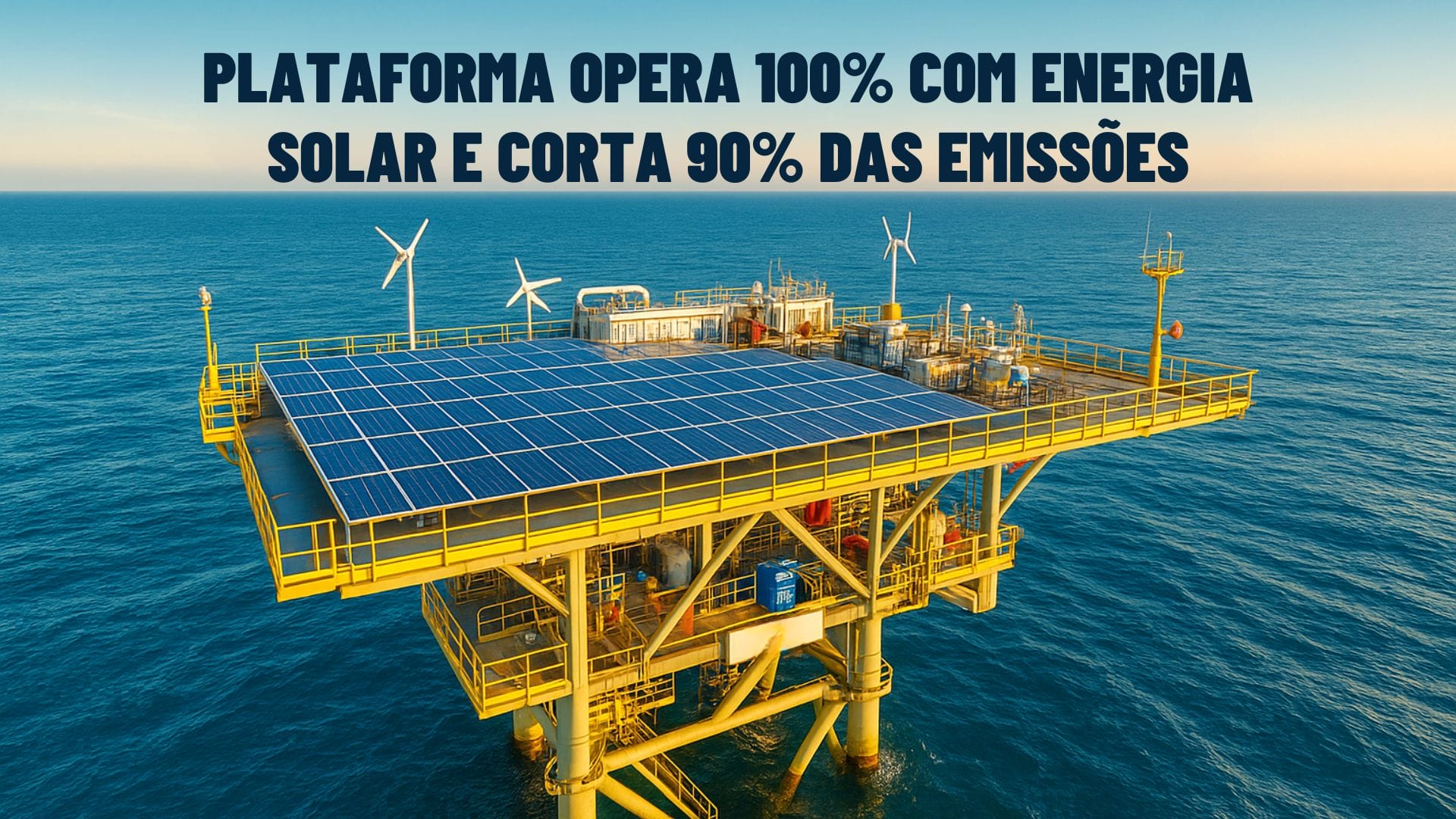

With Over 100 Solar Panels, Sea Swift Is Aquaterra Energy’s First Autonomous Offshore Platform, Designed to Operate Without Diesel and Drastically Reduce the Carbon Footprint of Marine Production.
Aquaterra Energy announced the completion and delivery of its first autonomous offshore platform powered entirely by solar panels, in a project valued at £1.5 million (about R$ 11 million). Developed in partnership with JCE Energy, this innovative solution represents a significant advancement in the energy transition of the offshore sector, replacing the use of fossil fuels with solar energy.
The new platform located off the coast of Angola, named Sea Swift, is equipped with over 100 solar panels, specially designed for hostile marine environments. The solar modules are resistant to corrosion caused by saltwater and the extreme weather conditions typical of offshore operations.
100% Autonomous Offshore Platform with Clean Energy
The system is fully autonomous, meaning it does not use diesel generators or other traditional energy sources. This ensures zero-emission operation, directly contributing to decarbonization targets of the sector and reducing the environmental footprint of offshore activities.
-
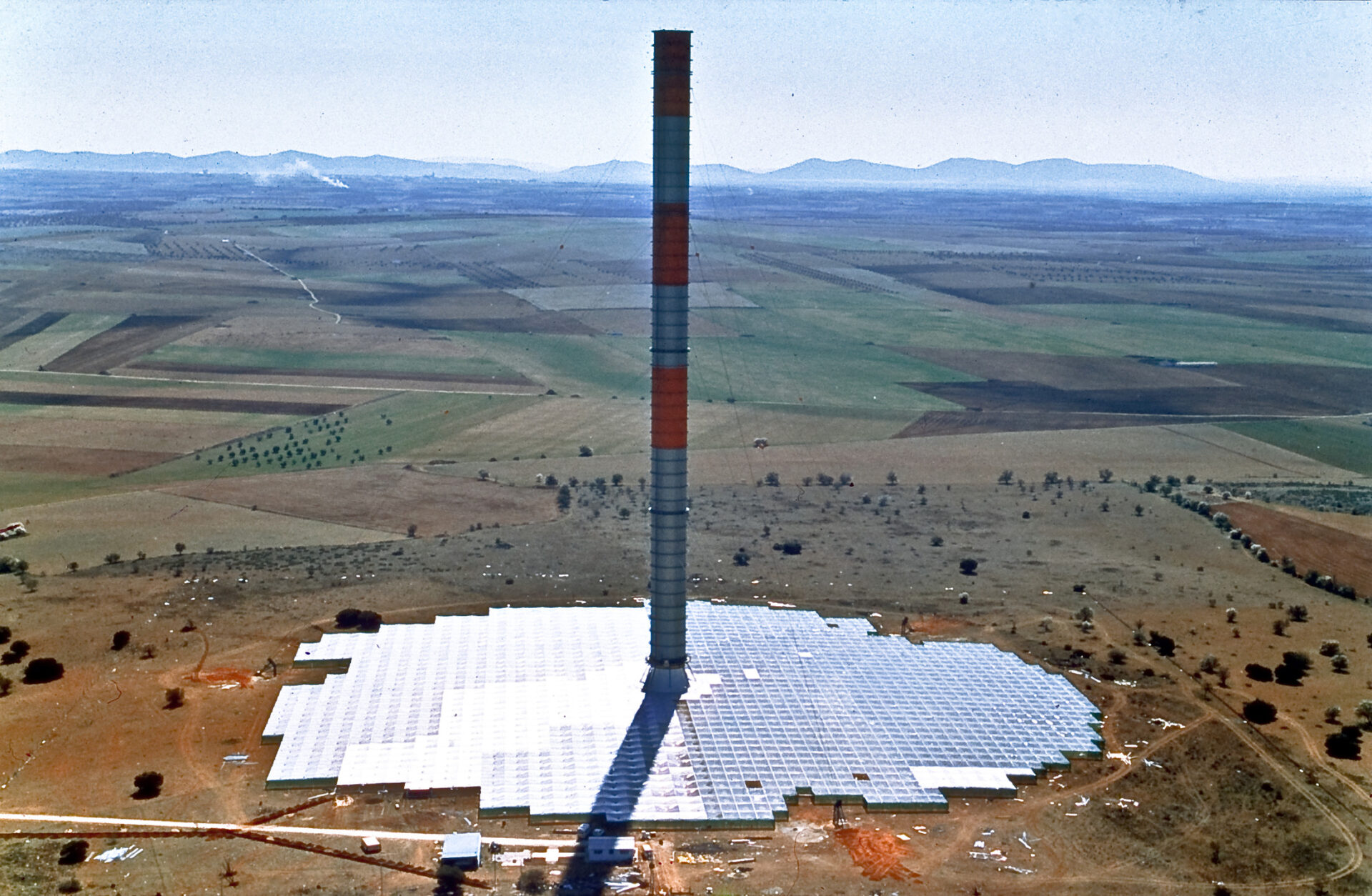
Solar Chimney in Spain Harnessed Sun to Generate Electricity for 7 Years Without Burning Fuel

-
Solar energy reaches 55 GW, becoming the second largest power source in Brazil’s energy mix

-
Solar energy can increase property value by up to 10% and become a selling point.
-
Solar and wind energy surpass natural gas for the first time in the world and accelerate energy revolution



“The Sea Swift was designed for operators who want to reduce their carbon footprint while controlling operating costs,” said Stewart Maxwell, Technical Director of Aquaterra Energy. “With the support of JCE Energy, we delivered a platform that redefines surface power supply, with reliable and sustainable solar energy.”
The platform’s modular configuration allows for future expansions without the need for major redesigns or interruptions in operations. The integrated energy storage systems ensure stable production even during periods of low solar incidence.
Cost and Emissions Reduction
According to Aquaterra Energy, the exclusive use of offshore solar panels could result in a reduction of CO₂ emissions by at least 90% over the structure’s lifespan, compared to platforms using conventional generators. Additionally, operational expenses are expected to decrease by approximately £5.9 million over 30 years, thanks to the absence of fossil fuels and the reduced need for maintenance.
“The solar energy package provided by our team demonstrates the sector’s potential to balance operation and environmental responsibility,” said Marco Gheza, General Manager of JCE Energy. “This project is proof that we can combine cutting-edge engineering with a real commitment to energy sustainability.”
National Production and Specialized Labor
About 90% of the project, manufacturing, and assembly were carried out at JCE Energy’s headquarters in Aberdeen, Scotland, with support from additional facilities in Plymouth. The delivery involved over 50 professionals, including electrical engineers, designers, installers, and mechanical specialists.
Local production not only strengthens the UK’s supply chain but also boosts jobs in strategic sectors linked to clean energy and offshore technologies.
Versatility and Sustainable Future
The Sea Swift platform was initially designed to serve oil and gas operations but is also suitable for applications in offshore wind energy, green hydrogen, and carbon capture and storage (CCS) projects. This reinforces its versatility and adaptation to the energy future, where renewable sources and low emissions will be increasingly demanded.
With this delivery, Aquaterra Energy and JCE Energy position themselves as global references in the decarbonization of the offshore sector, promoting solar energy use in extreme environments and proving that sustainable electrification is possible, even under challenging conditions.





