






 Portuguese
  Spanish


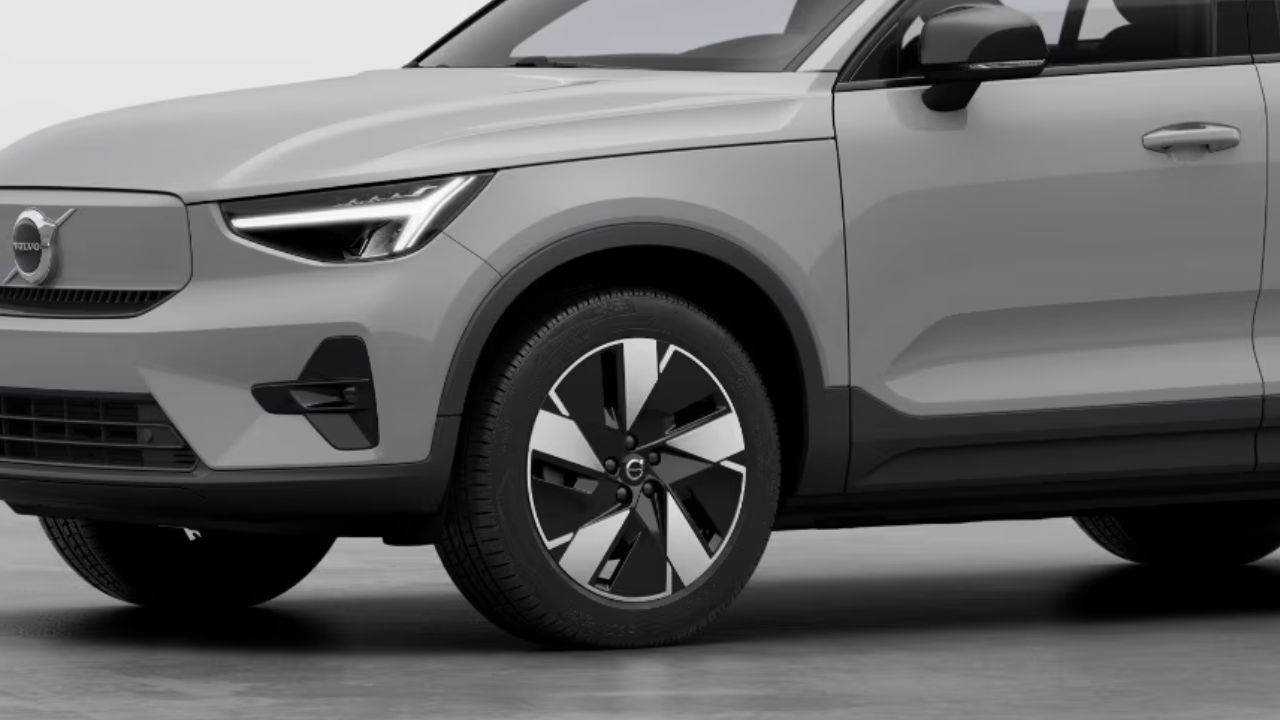


With 408 HP and Over 2 Tons, Tires of the Electric Volvo Show Structural Failure at 35,000 KM, Reveals Channel Honest Opinion.
Owners of the Electric Volvo with 408 horsepower, known for its instant torque and high performance, are facing a serious safety issue: the structural failure of the tires with relatively low mileage. The warning, detailed by the channel Honest Opinion, shows that the original (and common replacement) tires are not withstanding the stress, starting to “chunk” and shed pieces from the sides around 35,000 km.
The most concerning aspect, according to the report, is that the problem is not the conventional wear of the tread, which in many cases still showed adequate grooves (“groove”). The failure occurs in the sidewall of the tire, a critical area for structural integrity, attributed to the combination of high weight (over 2 tons) and the instant torque of the 408 HP vehicle, especially with low-profile wheels (20-inch).
The Diagnosis: Why Are the Tires of the Electric Volvo Failing?
The technical analysis from the channel Honest Opinion identified the crux of the problem. The vehicle in question, a 2022 model with all-wheel drive, exerts extreme pressure on the compounds. The original front tires (Continental) and those that had already been replaced (Bridgestone) displayed the same defect: “chunks” and “nibbles” visible on the sidewalls.
-
2027 Toyota Corolla Cross Unveiled: New Design, Enhanced Fuel Efficiency, Reduced Maintenance Costs, Advanced Technology, Connected Services, and Up to 10-Year Warranty

-
Fiat Cronos Precision 2018: Affordable Sedan with Spacious Trunk and Reliable Maintenance
-
Volkswagen to Cut Production by 1 Million Cars by 2030, Reducing Jobs and Platforms, Focusing on More Profitable Models

-
Toyota Launches First 100% Electric Car in Brazil: bZ4X with 343 HP, All-Wheel Drive, 361 km Range, Priced at $419,990 BRL, Limited to 99 Units



This structural failure is significantly more dangerous than the accelerated wear of the tread, which is already a known characteristic in powerful electric vehicles. The collapse of the sidewall indicates that the tire casing is not able to withstand the combined forces of weight and acceleration. In the video, the owner highlights that, although the damage did not lead to an immediate blowout, the lack of safety for traveling with the family forced him to make an urgent replacement.
The Challenge of Finding Tires for Powerful EVs
The case of the Electric Volvo exposes a growing challenge in the market: the need for specific tires for high-performance EVs (Electric Vehicles). “Normal” tires, even from premium brands, are often not designed to simultaneously handle the massive weight of batteries and the delivery of instant power.
As pointed out by Honest Opinion, tires with specific approval for electric cars (EV label) do exist, but the cost in the Brazilian market is prohibitive. The search for replacements in the 20-inch size revealed that options from renowned brands for this specific application can easily exceed R$ 3,000 per unit. This puts owners in a dilemma between maintenance costs and safety.
The Solution: The Importance of “Extra Load” (XL)


Searching for a safe and financially viable solution, the channel owner investigated alternatives to the R$ 3,000 tires. The key, according to him, was not in the brand, but in a technical specification often overlooked: the load index and the marking “Extra Load” (XL). The front tires that failed, for instance, had a load index of “96”, considered insufficient for the vehicle’s stress.
The solution found was a tire (SpeedMax CP11) with a significantly lower cost (around R$ 820 each), but that had a much higher load index: 103Y. The “Extra Load” (or Load Extra) specification indicates that the tire has a reinforced casing, with more materials and a more robust construction, designed specifically to withstand more weight and lateral stress. For a Electric Volvo weighing two tons, this feature is essential to avoid sidewall fatigue and tearing.
Surprise in the Test: Was the Cheaper Tire Superior?
The biggest surprise documented by Honest Opinion occurred after the installation of the new XL tires. The expectation was that a cheaper, load-focused tire might be noisier — a serious problem in the silence of a Electric Volvo. However, the result was the opposite: the host reported that the car became noticeably quieter than with the previous premium tires.
In addition to the noise reduction, the owner also opted for a slightly taller size (245/45 20-inch, versus the original 235/45 and 255/40), seeking more comfort. The change, combined with the reinforced (XL) construction of the new tire, resulted in a visibly smoother ride, better absorbing imperfections. The channel’s conclusion was that the swap, costing almost four times less, not only solved the serious safety issue but also improved the comfort and acoustics of the vehicle.
Have you ever experienced something similar with electric car tires or very heavy vehicles? Do you believe that manufacturers are skimping on the original tires, even on luxury cars? Leave your real experience in the comments; we want to know how the market is dealing with this new challenge.








