






 Portuguese
  Spanish
  3 min of reading
  0 comments


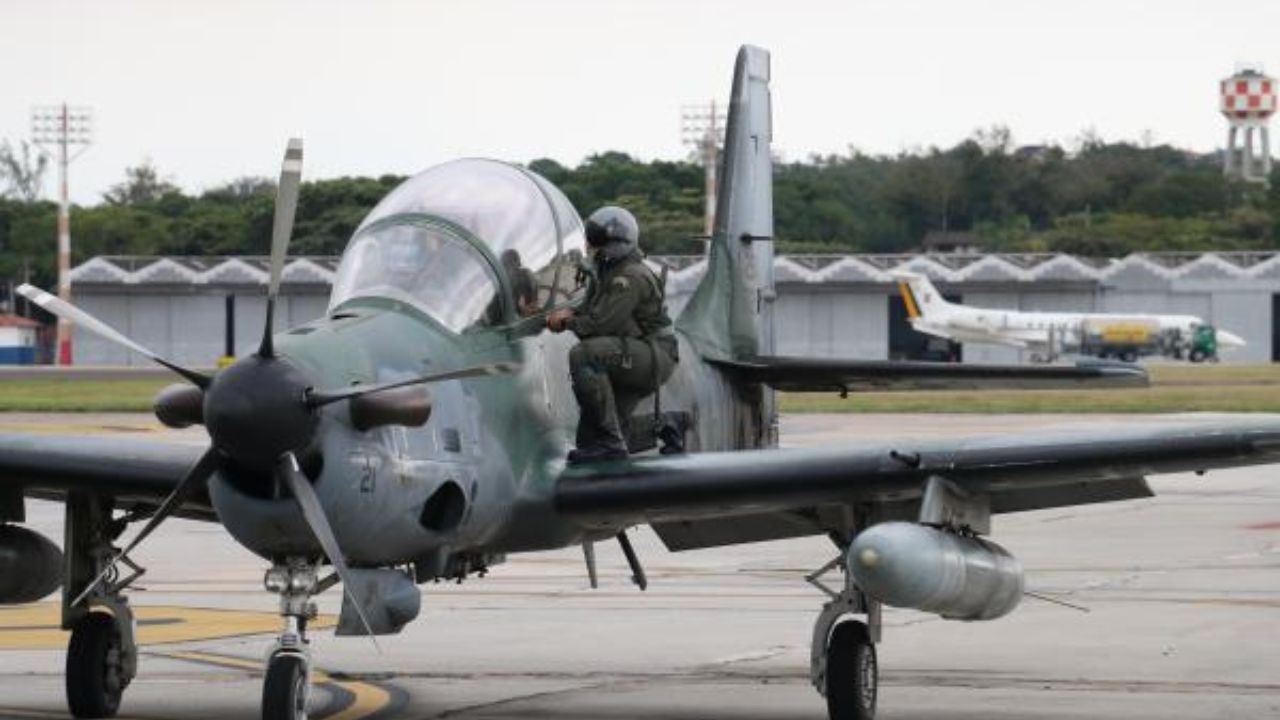
Brazilian Air Force Conducts Interception Simulation and Details the Stringent Security Scheme to Be Implemented in Rio de Janeiro During the World Leaders Summit.
With the approach of the Brics summit in October, the skies of Rio de Janeiro will be under unprecedented surveillance. The Brazilian Air Force (FAB) is already in advanced preparation, simulating the deployment of fighters with missiles in Rio to ensure air defense. The operation will create exclusion zones and have aircraft ready to take off in minutes.
FAB on High Alert: Combat Simulation Tests Defense for the Summit
To ensure everything functions perfectly, the Aerospace Operations Command (COMAE) has already conducted Air Defense training. The simulation took place at the Santa Cruz Airbase (BASC) and tested the entire command and control chain, from detecting an unidentified aircraft to its interception.
In this exercise, a fighter F-5M was deployed to intercept a suspicious plane that invaded the protected airspace, validating the effectiveness of security protocols. The aim is to protect not only authorities and delegations but the entire population.
-
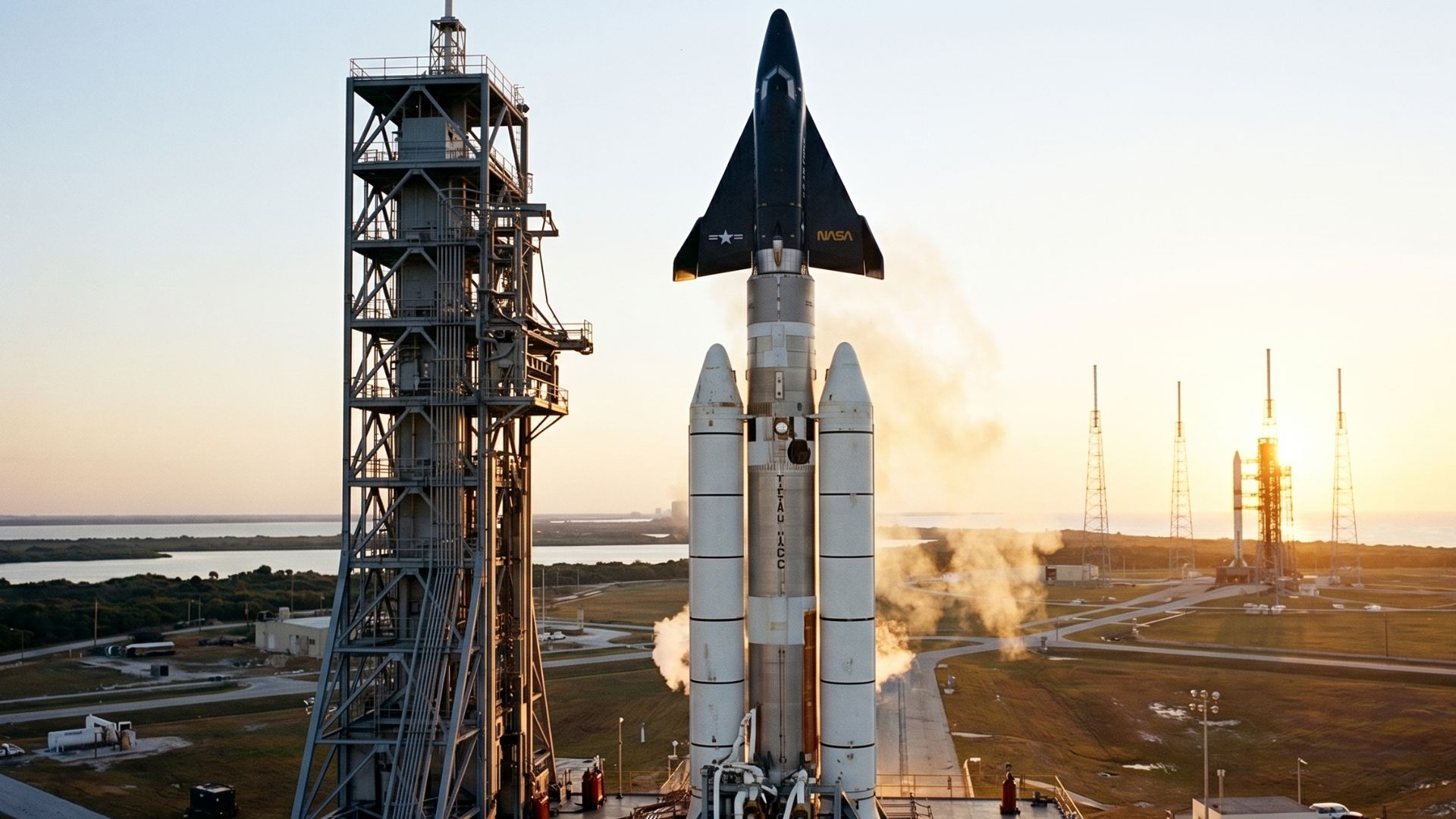
The military spaceplane that almost took the Cold War into orbit: Boeing X-20 Dyna-Soar was designed to re-enter above Mach 20, fly for up to 40 hours, land like a plane, and transform Titan rockets into a gateway to a new era of orbital warfare.

-
FAB bets on national drones and increases investments to strengthen the Brazilian aerospace industry

-
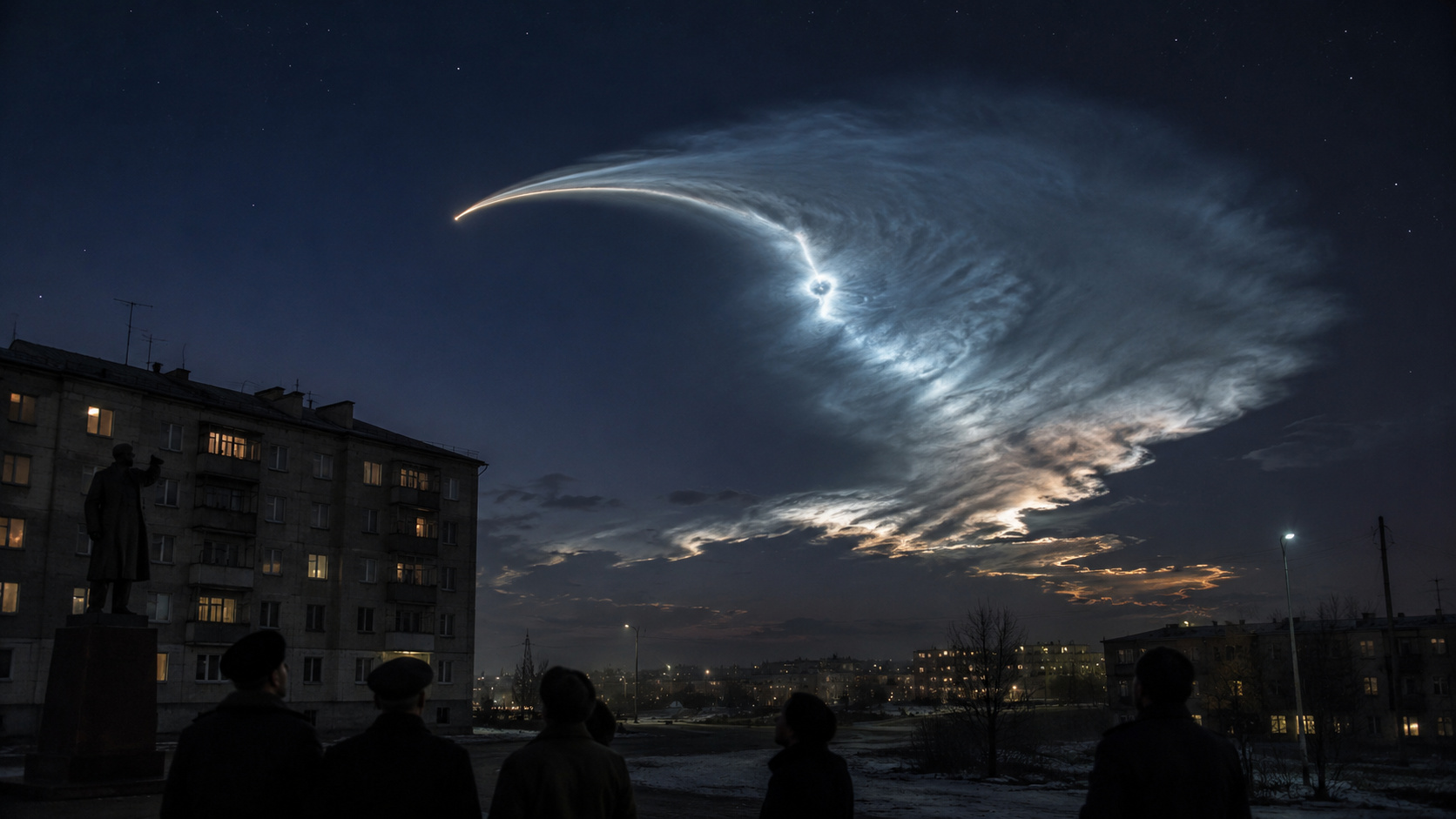
Six times, a luminous crescent the size of the Moon startled the Soviet sky at dusk: it seemed like a wave of UFOs, but it was a secret orbital weapon created to attack the United States via the South Pole and evade Cold War radars.

-
The United States government approved a potential sale of 100 portable Stinger anti-aircraft missiles to the Brazilian Army, in a package estimated at around 330 million dollars that still depends on negotiations between the two countries.


F-5M and A-29 Super Tucano on Standby
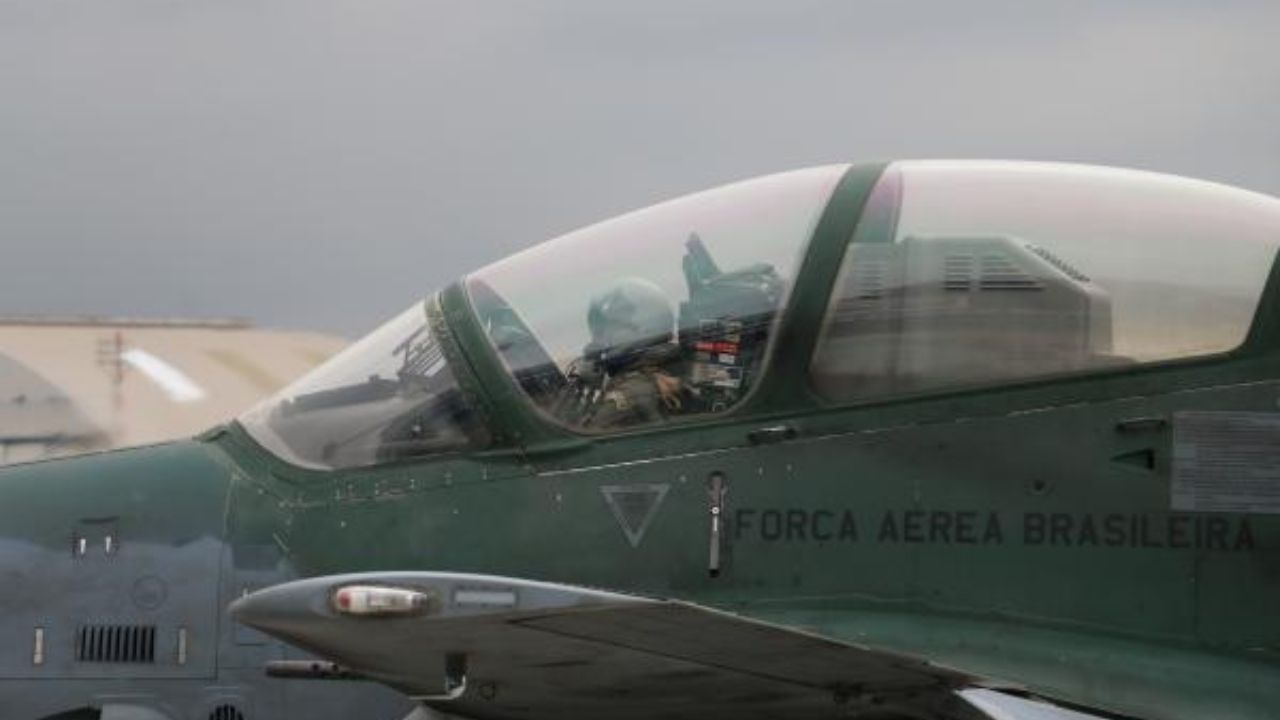
The defense will consist of two high-capacity aircraft. The F-5M fighter, a supersonic jet, and the A-29 Super Tucano, a light attack turboprop, will be positioned for airspace policing.
These aircraft will remain on standby to be activated at any moment by the First Fighter Aviation Group (1° GAVCA) and the Scorpion Squadron (1°/3° GAV).
Understand the “Scramble” Procedure and the Power of Missiles
The fighters with missiles in Rio will be armed with short and medium-range projectiles, ready to neutralize any threats that do not comply with orders. The alert takeoff, known militarily as “scramble”, is a quick activation procedure that puts the fighter in the air within minutes for an interception mission. This ensures an immediate response to any violation of airspace.
The Red, Yellow, and White Areas in Airspace
During the event, COMAE will delineate three specific areas over the city to control air traffic:
- Red Area (Prohibited): Overflight completely prohibited, except for security aircraft and heads of state.
- Yellow Area (Restricted): Aircraft require prior authorization and identification to circulate.
- White Area (Reserved): Aircraft may fly but are subject to identification and control rules.
Any aircraft that disobeys these rules will be classified as suspicious air traffic and will be subject to air defense measures, which may culminate in interception.



-

1 person reacted to this.