Portuguese
  Spanish


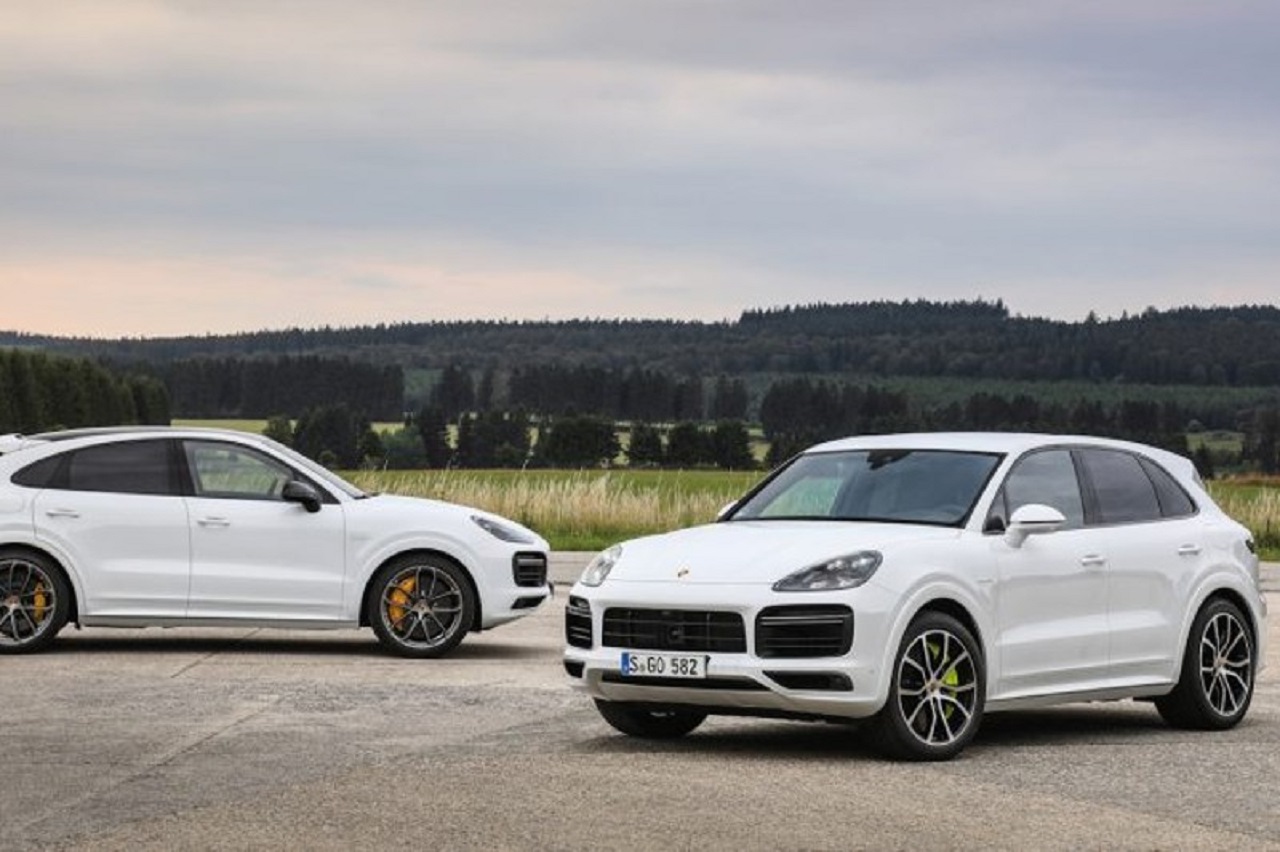

Porsche Has Announced a New Electric SUV That Will Feature 7 Seats. The Electric Car Promises to Innovate and Outperform the Cayenne.
The vehicles from Porsche have never carried more than five people. However, the automaker may be about to change this with its new electric SUV. The company recently announced its plans to launch a high-end electric car at the Capital Markets Day event, held last Tuesday (19) at the company’s research and development center in Weissach, Germany.
Porsche’s Electric Car Will Expand the Company’s Position in the Electric Vehicle Market
CEO Oliver Blume claims that the Porsche lineup will be expanded with the arrival of the new luxury electric SUV and hinted that the vehicle will be positioned above the Porsche Cayenne. Thus, according to Oliver Blume, the company plans to add a new electric SUV to its portfolio, which will come off the production line in Leipzig.
This initiative will further enhance Porsche’s position in the luxury vehicle sector. The executive states that the company is targeting the higher-margin segments in particular. It is already known that the electric SUV will be assembled in the same factory as the future Porsche Macan EV, the fully electric variant of the compact SUV.
-
2027 Toyota Corolla Cross Unveiled: New Design, Enhanced Fuel Efficiency, Reduced Maintenance Costs, Advanced Technology, Connected Services, and Up to 10-Year Warranty

-
Fiat Cronos Precision 2018: Affordable Sedan with Spacious Trunk and Reliable Maintenance
-
Volkswagen to Cut Production by 1 Million Cars by 2030, Reducing Jobs and Platforms, Focusing on More Profitable Models

-
Toyota Launches First 100% Electric Car in Brazil: bZ4X with 343 HP, All-Wheel Drive, 361 km Range, Priced at $419,990 BRL, Limited to 99 Units




Therefore, Porsche’s decision aims to target an even more lucrative sector. The German brand cites expert studies asserting that the luxury electric car market will see robust expansion in the coming years, particularly with electric vehicles and sports utility vehicles (SUVs).
Electric SUVs Gain Ground in the Electric Market
By developing this electric car, Porsche seems to be hitting the target, reaching a new market sector that could unlock significant growth in the future.
According to the executive, the company is very well positioned to benefit from these trends. Porsche anticipates that its base will include a more diverse and younger customer generation, with the proportion of women likely increasing.
Thus, the company has expanded, primarily in the U.S. and other Pacific markets. In addition to the electric SUV from Porsche that will arrive in the future, BYD is also bringing to the national market the Tan EV, which is being imported from China.
The first batch of the electric SUV has already sold out, even with the old price. As a launch promotion that took place in April, the company offered a free 7.2 kWh wallbox to buyers.
Porsche and Its Synthetic Gasoline
In March of this year, Porsche highlighted its synthetic gasoline that does not use petroleum, allowing its older vehicles with combustion engines to stay on the road longer.
The transition to electric cars may be the main priority of the automotive industry, but the company sees things somewhat differently, even while investing billions of euros in electromobility.
The eFuel, as the automaker calls its synthetic methanol gasoline, will be produced using green hydrogen made from sustainable energy. The fuel will burn like gasoline produced from crude oil, but without the large greenhouse gas emissions.
The fuel can be sold at the existing global network of gas stations, and Porsche owners will not need to modify their engines. Porsche claims that its electrofuels can reduce CO₂ emissions by more than 85% and are cleaner than an electric car when considering the environmental impact of battery production.