Portuguese
  Spanish


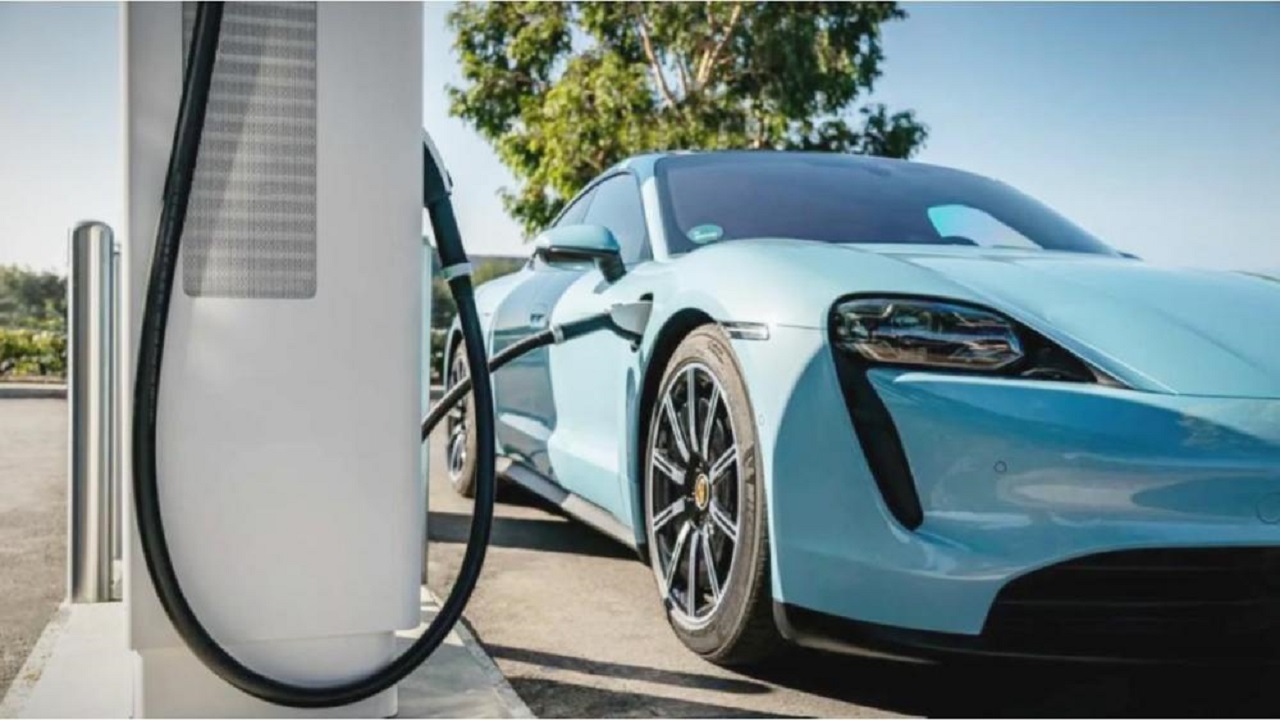

Porsche Closed A New Partnership With Customcells For The Production Of Lithium-Ion Batteries For Electric Cars With Higher Energy Density
Porsche is working to have its own battery joint venture for electric cars. It has partnered with the also German Customcells and will focus on the production of high-performance accumulators. Porsche will invest double the market value of the company headquartered in Tübingen, Germany, in the new venture.
Read Also
Porsche Closes To Manufacture High-Density Batteries
In the partnership, Customcells will be responsible for producing lithium-ion batteries for electric cars with a higher energy density and faster charging processes than the batteries currently used by the Taycan Cross Turismo and the Taycan.
One of the goals of Porsche’s new battery company is to create cells that use rare metals in smaller quantities to contain production costs. The new joint venture will start its assembly lines with the capacity to supply batteries for about 1,000 electric cars annually.
-
Latin America’s Largest Port Invests $400 Million in Rail System with Trains Up to 2.4 Kilometers Long
-
New Smart Radar Begins Issuing Fines to Solo Drivers in Carpool Lanes, Uses Cameras to Count Occupants, Changing Traffic Enforcement Rules on Busy European Roads

-
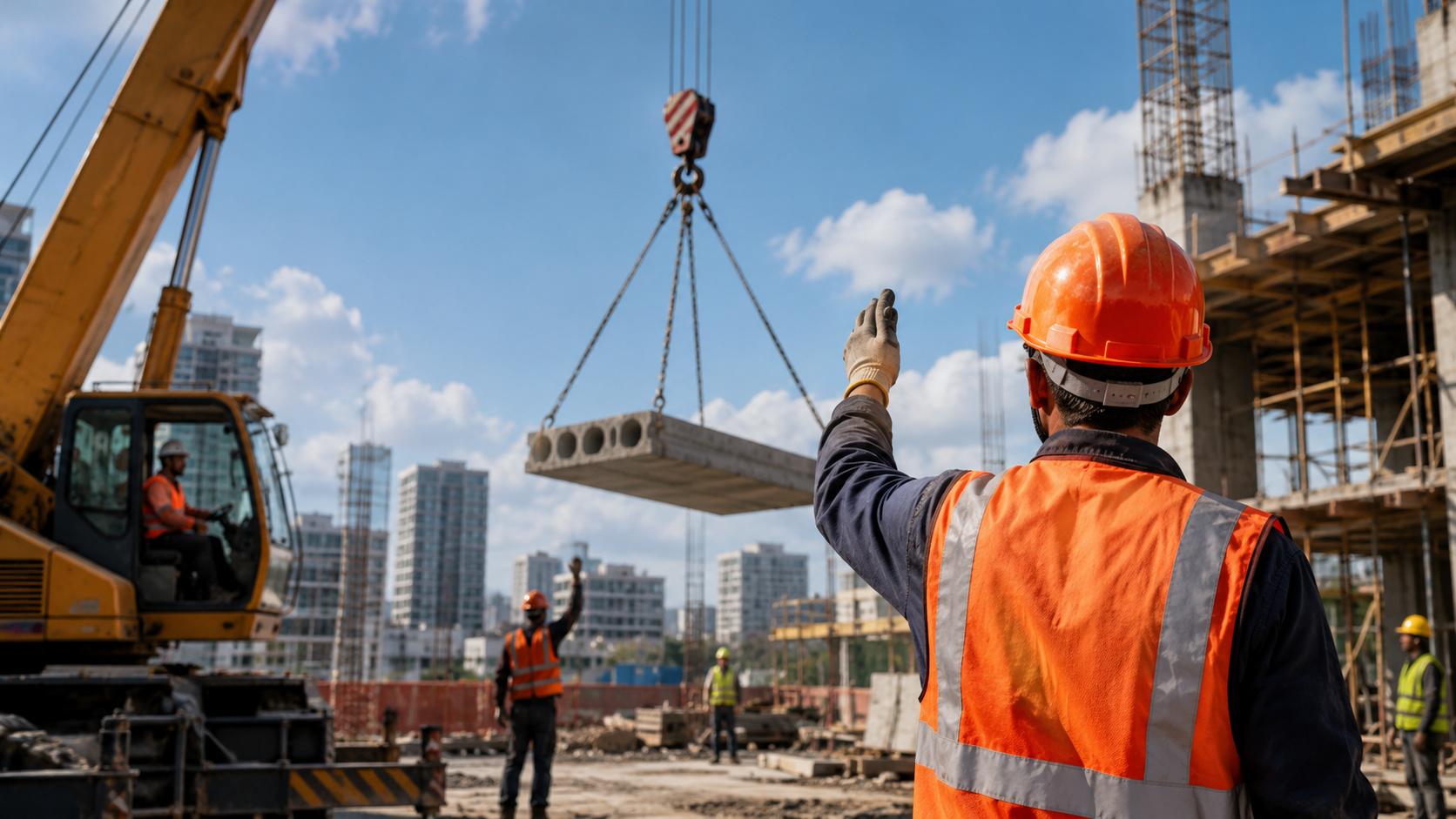
Why can the crane operator only obey the correct signalman on the construction site: among dozens of workers, a hand raised by the wrong person can confuse the maneuver and turn a load of tons into an immediate risk.
-
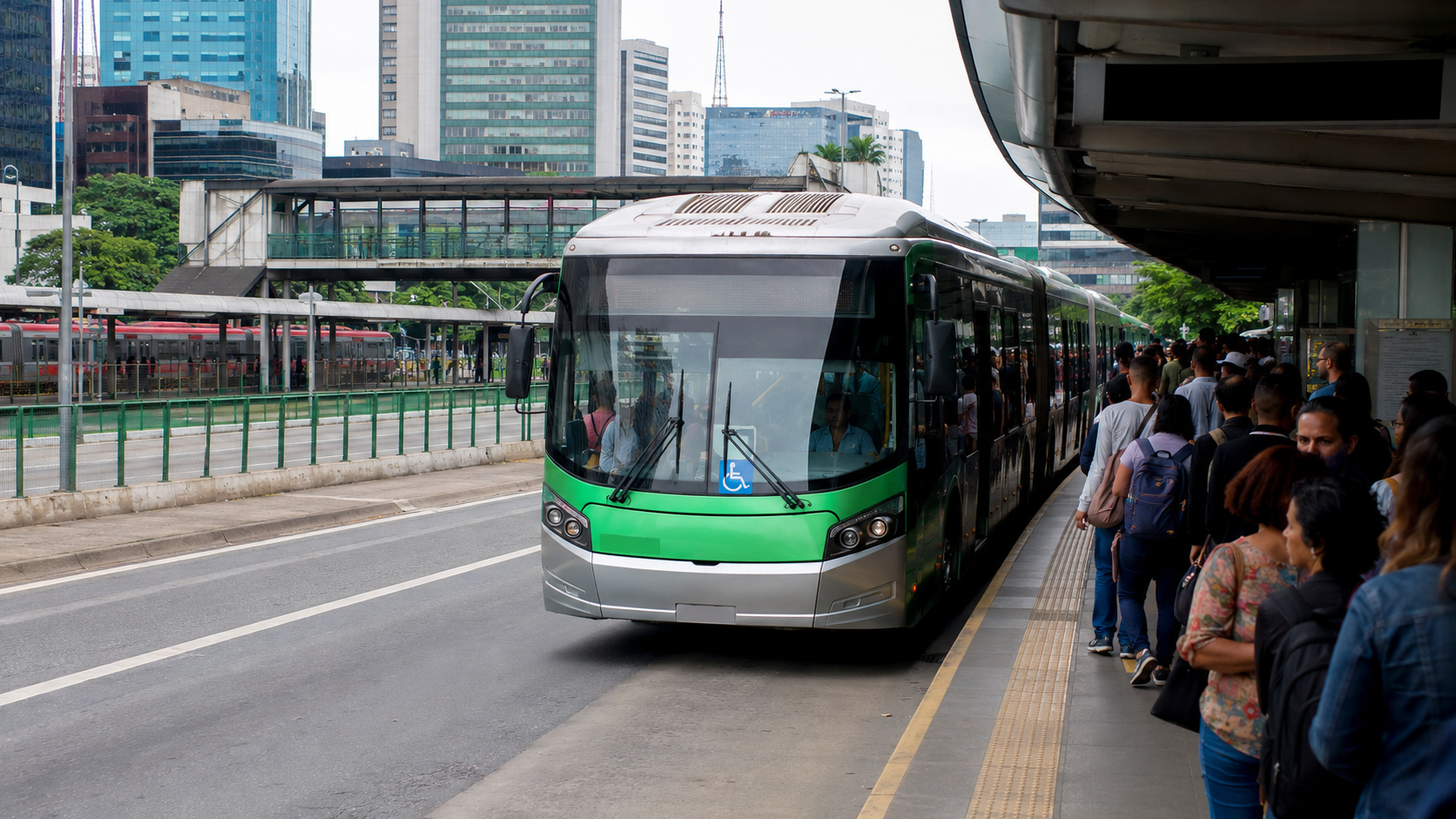
What changes with the new public transportation rules that can reduce pressure on fares and pave the way for zero fare in Brazil?

In April, Porsche planned to test the production of next-generation batteries, and even the company’s CEO, Oliver Blume, stated so. However, at the time it was still uncertain whether the automaker had started its own battery line as has currently happened with the partnership.
PPE Architecture And Batteries With Even Faster Charging
With the joint venture, Porsche is taking an increasingly independent role in terms of ecological transition. In addition to new batteries for electric cars, the automaker intends to use a platform entirely focused on its zero-emission models.
The name of the platform is PPE architecture, and it will also be used by Audi in high-end cars, but it emerged in a completely independent manner from the MEB, which underpins the electric cars of the ID family and other battery-powered cars from brands like Skoda and SEAT.
Porsche Promoting Sustainability
While other automakers are always looking to manufacture electric cars to reduce CO2 emissions, Porsche, in partnership with Siemens Energy and Exxon, is going the opposite way, exploring new paths in combustion engines.
In May, the company announced it was developing a gasoline that may be less polluting than an electric car. Porsche’s new gasoline is called E-fuel and aims to achieve a 85% reduction in CO2 emissions.
According to the company, this is the average reduction generated by electric cars, varying according to the location where the consumer resides and also the source of energy used to recharge the car.