Portuguese
  Spanish


Porsche Announces Investment of R$ 70 Million to Install 66 New Ultra-Fast Chargers on Brazilian Highways by 2028. The Brand Aims to Expand the Range of Electric Cars and Facilitate Sustainable Mobility in the Country.
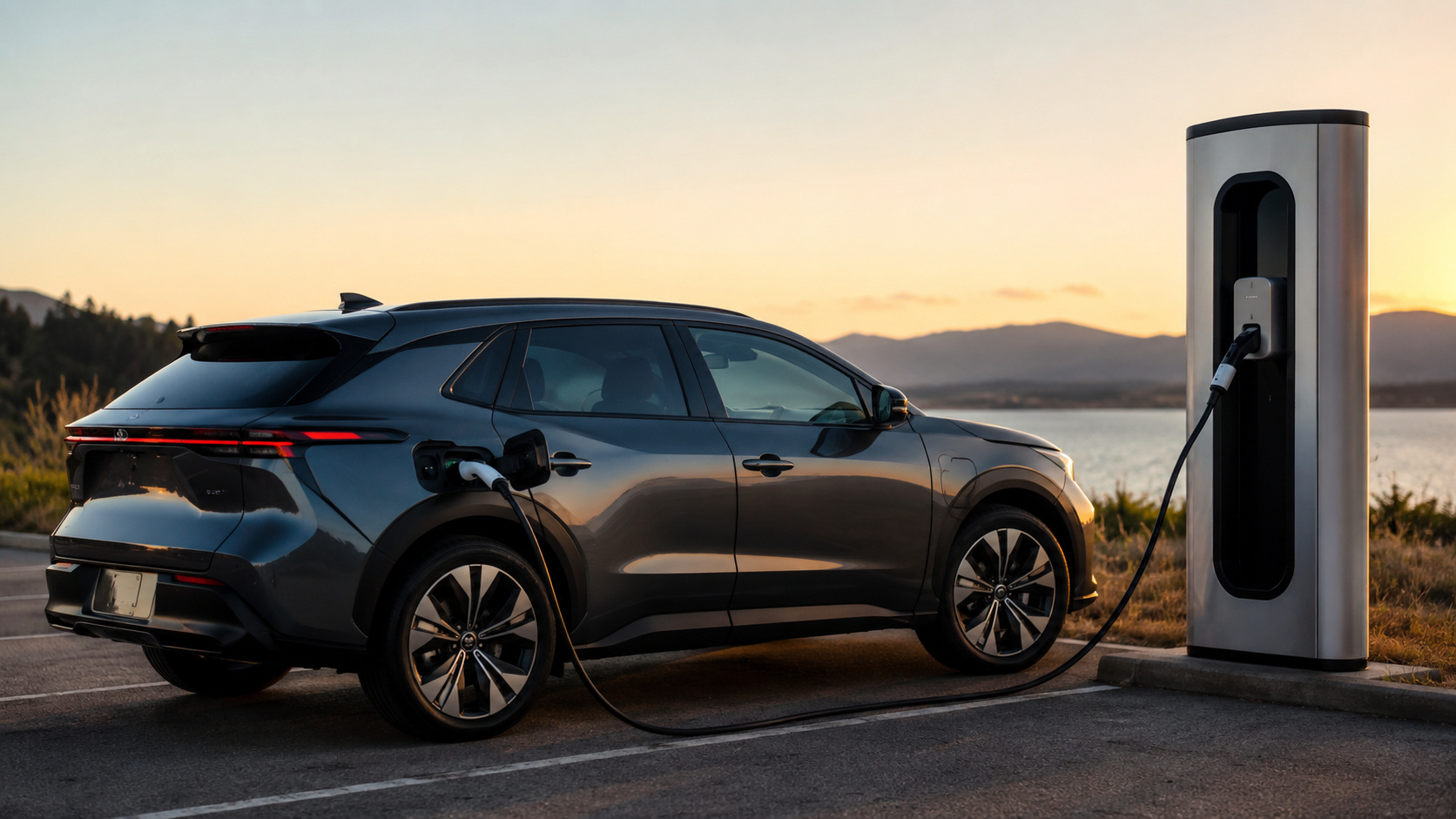
The electric mobility has just gained more momentum in Brazil! Porsche announced that it will allocate R$ 70 million to install 66 new ultra-fast chargers on strategic highways by 2028, as reported by G1 on Wednesday, September 10. By the end of the plan, the brand will have 104 charging points spread across the national territory, consolidating its network as one of the most relevant in the premium segment.
This initiative is in partnership with GreenV, a company specialized in charging infrastructure. Together, the companies aim to reduce one of the biggest barriers to electric cars in the country: the lack of fast and reliable charging stations on the roads.
Ultra-Fast Chargers: Charging in Minutes
The new charging stations will have a power of 150 kWh. This means that it will be possible to add about 100 kilometers of range in just 10 minutes of charging. For comparison, residential chargers provide between 7.5 kWh and 11 kWh, which highlights the difference in charging time.
-
Unprecedented achievement in India: a colossal 650-ton, nearly 3,000 hp excavator is transformed into 100% electric, marking a new phase in heavy mining.

-
Frightened by the speed of Chinese manufacturers, Renault decided to mimic the pace, made the new electric Twingo in just 21 months, wants to repeat the feat with 36 models by 2030, and along the way, will cut up to 2,400 engineering positions.

-
Chinese battery from Dongfeng promises to exceed 1,000 km without relying on liquid electrolyte, and the detail behind the technology could change the electric car competition.

-
The end of the automotive combustion era has already begun, but many in Brazil have not yet realized the magnitude of the shift towards Chinese electric cars.
“It’s the time for the customer to go to the bathroom, grab a coffee, and come back to the car,” explains Leonardo Reback, e-performance manager at Porsche Brazil.
Each station will have two parking spaces: one exclusive for Porsche vehicles and another open for models from other manufacturers. The first point resulting from the new partnership is already operational at the Quinta do Marquês restaurant, located on the Castello Branco highway in São Paulo.
How Access to Charging Stations Will Work
To use the ultra-fast chargers, brand customers must use the Porsche Recharge app, which grants access to the charging points. The charging includes an unlocking fee of R$ 5 and a cost of R$ 2.90 per kWh consumed.
In the case of an entry-level Porsche Taycan, with an 89 kWh battery, a full charge would cost approximately R$ 263.10. Still, the price is competitive when compared to combustion vehicles, as refueling a Renault Kwid with ethanol costs about R$ 158.46, but with lower range.
The shared charging point, managed by GreenV, will have a different cost: R$ 3.22 per kWh. Thus, a BYD Dolphin Mini, with a 38 kWh battery, would pay R$ 127.36 for a full charge. Access is made through the GVgo app, which organizes the virtual queue when the plugs are occupied.
Charging Infrastructure on Highways and Coverage Goals
Porsche’s goal is to install chargers every 100 kilometers, with a maximum distance of 200 kilometers between points.
This strategy aims to provide more safety for those traveling long distances with electric cars, something still viewed as a challenge in Brazil.
The charging stations will be installed in various regions, except the North. The initiative mainly caters to 100% electric vehicles, as some plug-in hybrids may not be compatible with the high voltage required by ultra-fast equipment.
International Comparison and Brazilian Challenge
Currently, according to the Brazilian Electric Vehicle Association (ABVE), Brazil has about 15 thousand chargers, but only 16% of them are direct current, the so-called fast or ultra-fast chargers.
This scenario places the country behind other regions:
- China: 1 charger for every 9 cars;
- European Union: 1 for every 12;
- Brazil: 1 for every 19.
However, Porsche believes that the country has the potential to advance rapidly.
In addition to convenience for customers, the expansion of the ultra-fast charging network is also aligned with the automaker’s environmental strategy. “More than 85% of the electricity generated in the country comes from clean and renewable sources, well above the global average.
We believe in electrification, and the combination of these characteristics with the constant evolution of technology will drive the adoption of electrified vehicles in Brazil,” says Peter Vogel, CEO of Porsche Brazil.
This movement is also connected to the brand’s global goal, which aims to have the majority of its sales comprised of electric cars in the coming years.