Portuguese
  Spanish


Located in Itaguaí, Porto Sudeste reaffirmed its commitment to sustainability by eliminating indirect emissions and using 100% clean energy in its operations.
Porto Sudeste, a private terminal located in Itaguaí (RJ), has just renewed, for the second consecutive year, the I-REC (International Renewable Energy Certificate). This achievement verifies that 100% of the electricity used in its operations comes from renewable sources, primarily wind.
The initiative, made possible through Comerc Energia and Instituto Totum, reinforces the company’s commitment to the energy transition and the mitigation of environmental impacts caused by climate change.
This international recognition validates that all electricity consumed at the terminal is generated cleanly, directly contributing to the reduction of greenhouse gas (GHG) emissions.
-
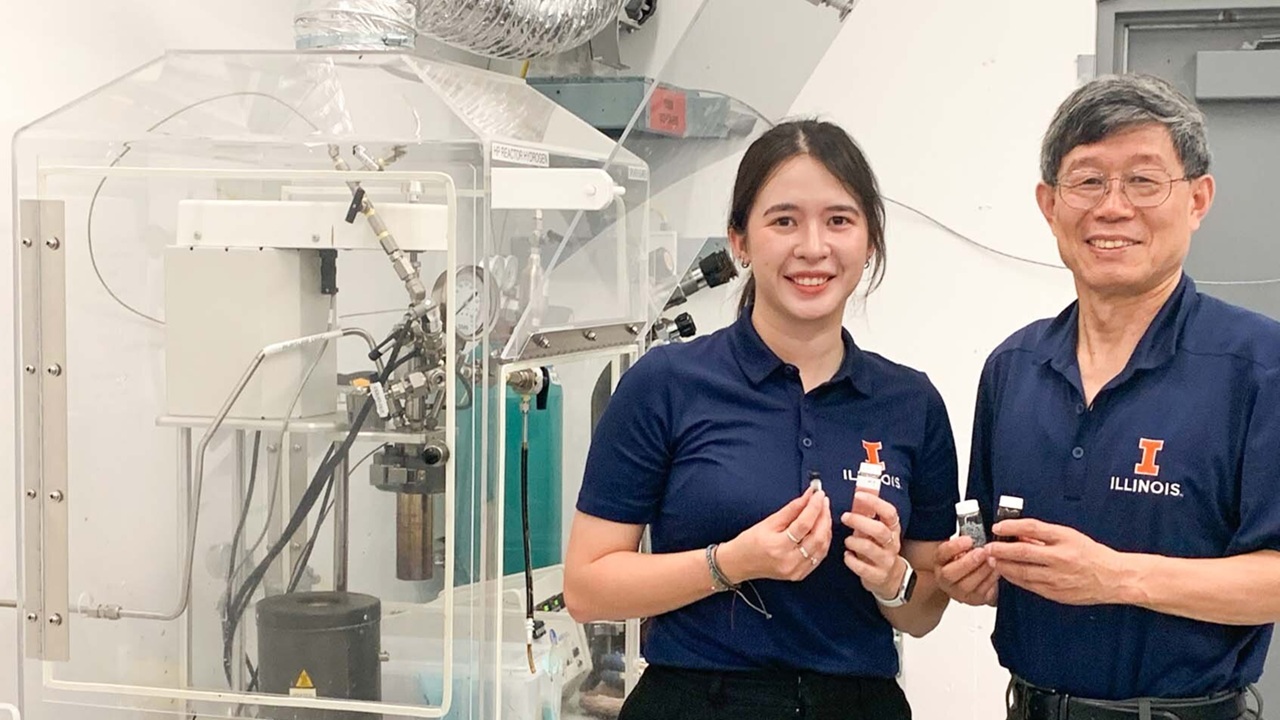
Brazilian scientists are simultaneously advancing two research projects on clean hydrogen and driving solutions that could transform the energy matrix, enhance industrial competitiveness, and accelerate large-scale emission reduction targets.

-
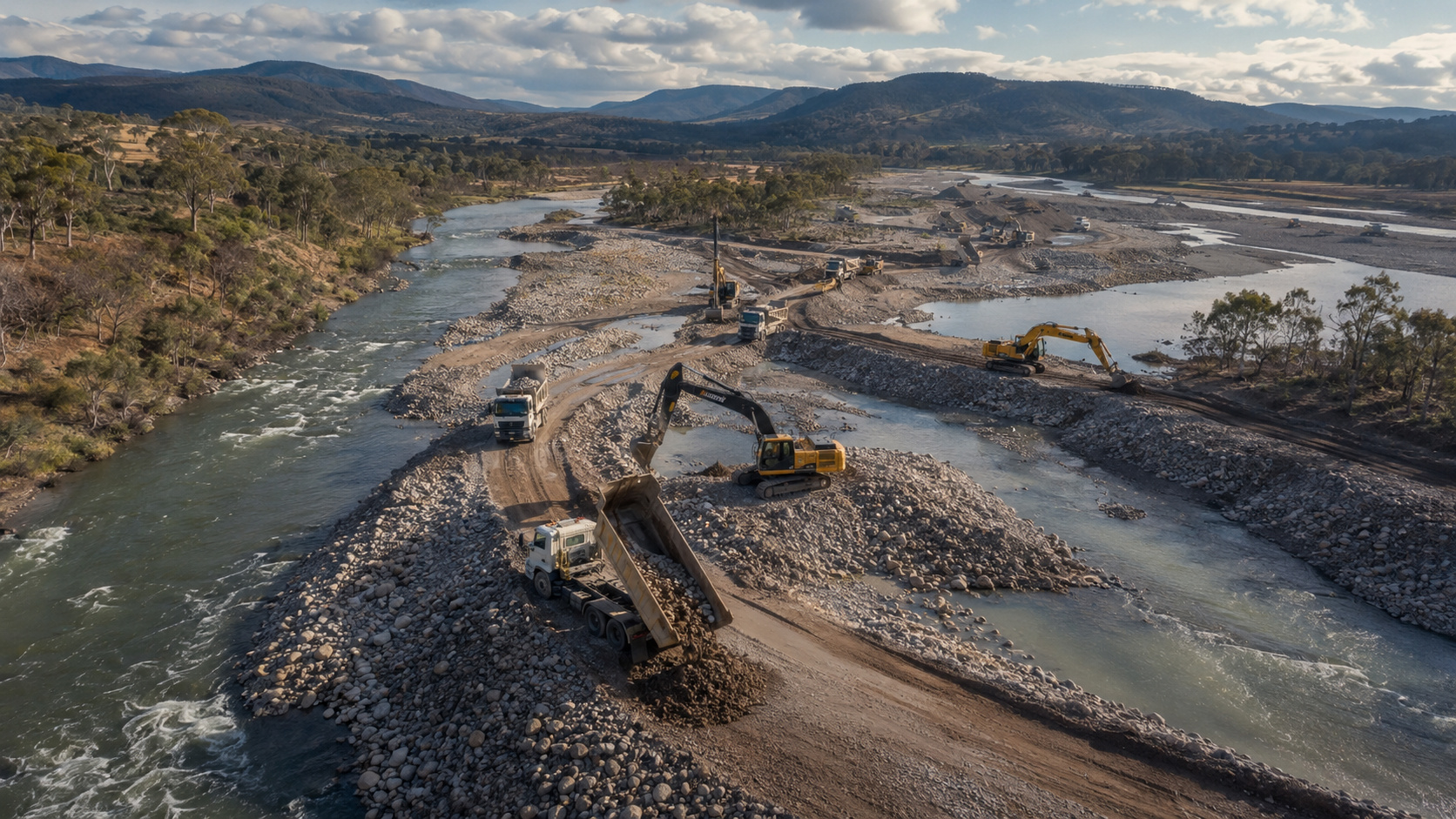
Advancement in renewable energy: A R$ 150 million project launched by Petrobras and Finep aims to create state-of-the-art electrolyzers for green hydrogen, strengthening national research and preparing Brazil to compete in a billion-dollar energy market.
-
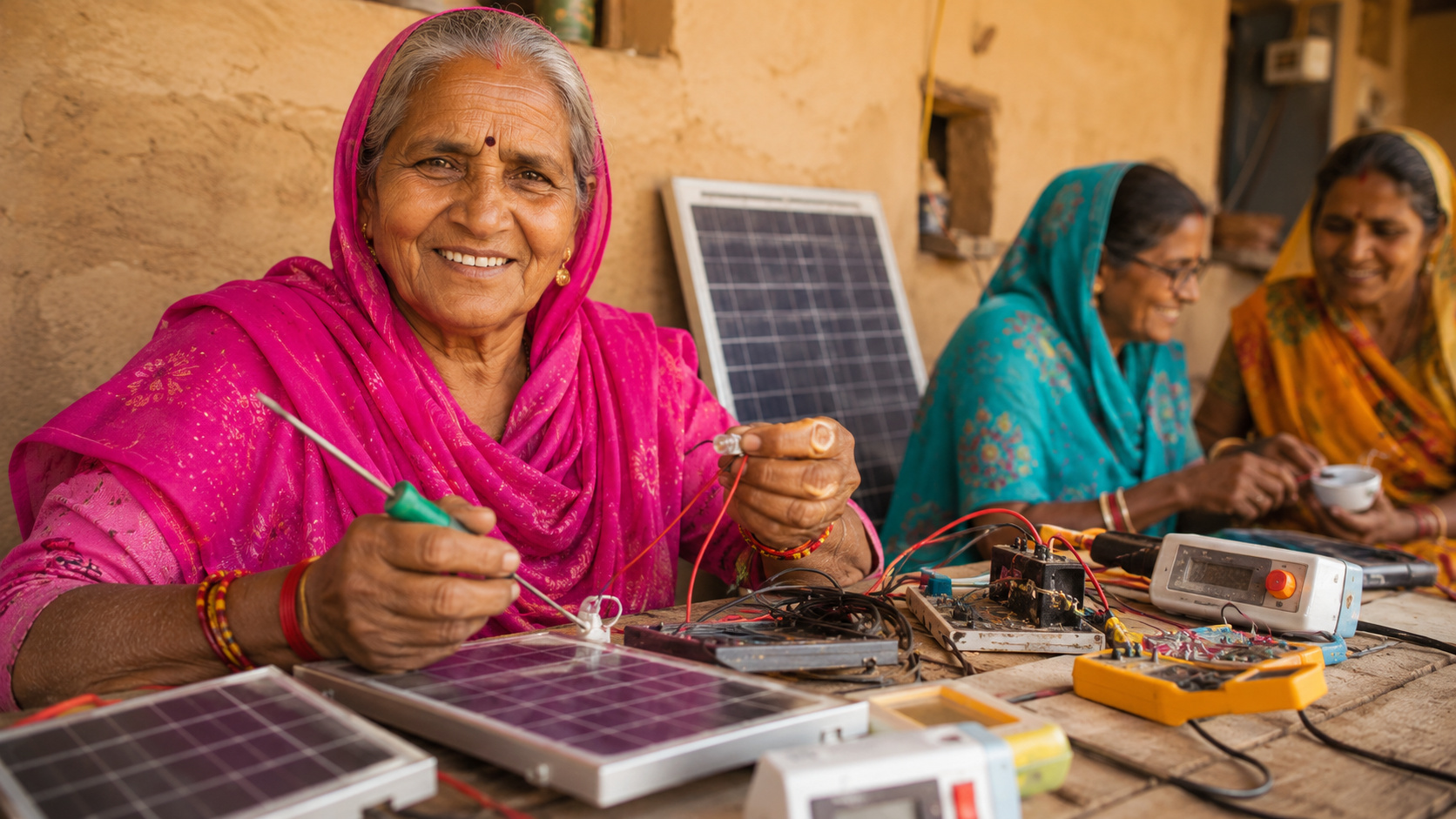
Illiterate or semi-literate grandmothers were trained to repair solar systems, open rural workshops, and light up homes that still depended on kerosene.
-
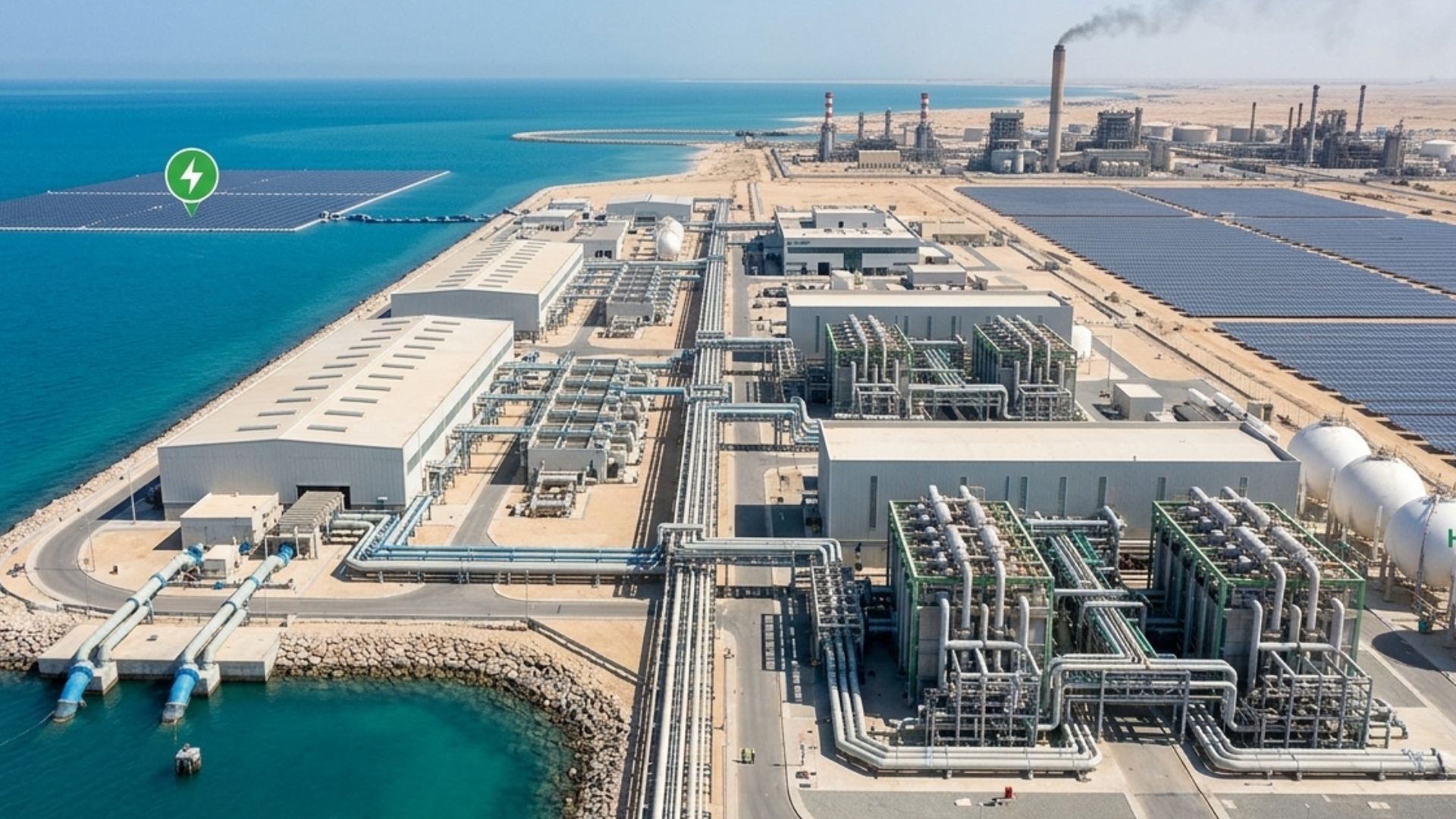
The world has bet on green hydrogen as the fuel of the future, but now faces the side effect: producing 1 kilogram requires about 9 liters of ultrapure water, and the largest projects on the planet are precisely in the driest regions of the Earth, where water is already scarce for people.



According to the company, the use of renewable energy avoided the emission of approximately 3,000 tons of CO₂, which would have been released if conventional sources had been used.
What Is the I-REC Certificate?
The I-REC acts as a “green certificate” recognized internationally. It certifies that a certain amount of energy was generated from sources such as solar, hydro, or wind.
In addition to ensuring traceability, the certificate allows companies and consumers to offset the use of conventional energy, reinforcing commitments to sustainability.
To give an idea of the impact: each average MW consumed is equivalent to the emission of about 540 tons of CO₂.
By acquiring certificates equivalent to its consumption, Porto Sudeste is making a concrete step towards neutralizing its emissions and promoting sustainable practices in the port sector.
Porto Sudeste’s Strategy Is Focused on a Low-Carbon Economy
The achievement of the I-REC is part of Porto Sudeste’s strategy to align with a low-carbon economy. Among the company’s environmental goals, a notable aim is to reduce GHG emissions from scopes 1 and 2 by 50.4% by 2033, based on the year 2021.
Additionally, the terminal has managed to eliminate Scope 2 emissions, related to the consumption of electricity purchased from third parties — a significant achievement in the context of global climate goals.
“Our main bulk handling equipment is electrified, and by ensuring that 100% of our energy comes from renewable sources, we show that it is possible to combine operational efficiency with climate responsibility. This is another step forward in our decarbonization journey,” says Ulisses Oliveira, Director of Corporate Affairs and Sustainability at Porto Sudeste.
With consistent investments in sustainability, Porto Sudeste stands out as an example in the port sector.
The adoption of clean energy and the repeated achievement of the I-REC certificate reflect the ongoing effort to combine operational performance with environmental responsibility.