Portuguese
  Spanish


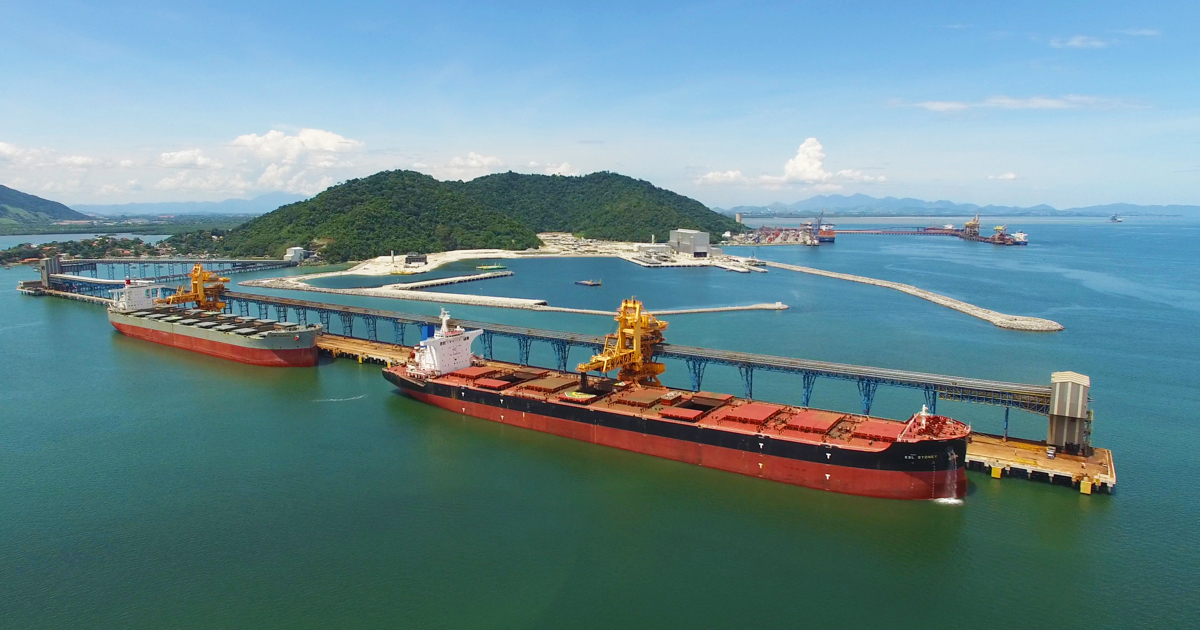

Porto Sudeste Recently Released Its Financial Statement For 2022, Which Faced A Series Of Challenges.
Blockades in China Due To COVID-19 and Heavy Rains in the Iron Quadrangle During the First Quarter Proved Particularly Problematic. Despite These Obstacles, The Year Culminated in Impressive Results, With A Net Revenue of R$ 4 Billion – With R$ 1 Billion Attributable To Port Operations and The Remainder From Iron Ore Exports.
Additionally, Operating Cash Flow Amounted To R$ 0.6 Billion. The Multi-Cargo Terminal Takes Pride In Having Shipped 17.4 Million Tons Of Iron Ore, Handled About 0.5 Million Tons Of Other Solid Bulk Cargoes, and Conducted 5 Ship-To-Ship Oil Transfer Operations.
Porto Sudeste Invests In A State-Of-The-Art Water Treatment And Recycling System.
In The Spirit Of World Water Day, Celebrated Annually On March 22, Porto Sudeste Proudly Takes On Its Role In Preserving This Vital Natural Resource For The Benefit Of The Entire Planet. By Utilizing Advanced Methods For The Treatment And Recycling Of Rainwater and Sanitary Effluents, The Company Effectively Minimizes Its Dependence On New Water Sources Such As Underground Wells. In Doing So, Porto Sudeste Mitigates The Risk Of Water Pollution And Unnecessary Pressure On The Ecosystem.
-
Brazilian Port Expands Ship Capacity to 9.5 Meters, Boosting Cargo Transport and Reducing Logistics Costs

-
New Smart Radar Begins Issuing Fines to Solo Drivers in Carpool Lanes, Uses Cameras to Count Occupants, Changing Traffic Enforcement Rules on Busy European Roads

-
Why can the crane operator only obey the correct signalman on the construction site: among dozens of workers, a hand raised by the wrong person can confuse the maneuver and turn a load of tons into an immediate risk.
-
What changes with the new public transportation rules that can reduce pressure on fares and pave the way for zero fare in Brazil?


The Rainwater Treatment And Reuse Stations (ETRAP’s) Feature Separate Drainage Systems That Separate Rainwater (Clean Water) Flowing Down Slopes And Hills From Rainwater (Water Containing Industrial Effluents) Flowing Through Storage Fields.
The Installation Of The Sewage/Sanitary Effluent Treatment Plant (ETE), Alongside The Industrial Water System, Further Increases The Use Of Reused Water In Operations, Significantly Reducing The Consumption Of Underground Water And Providing Better Services To The Environment, Ecosystem, And Community With Multiple Resources.
Industrial Water – In Terminal Buildings, Industrial Water Is Essential For Ensuring Environmental Control. For Example, It Is Used To Water Internal Roads And Spray Stockpiled Material, Control Dust Emissions, And Clean All Work Areas.
Through The Industrial Water Reuse Program, Porto Sudeste Aims To Reuse 80% Of Its Treated Rainwater And Domestic Sewage By 2022. This Corresponds To 23,000 Cubic Meters Of New Water Without Consumption In A Month. A Volume That Can Supply Up To 1,045 Families Of Four People.
The Record Reuse Rate Of 99% Was Achieved In September 2021. In Early 2023, This Indicator Reached 95%. In Line With #SDG6 Of The #2030 Agenda Of The #UN, Which Aims To Ensure The Availability And Sustainable Management Of Water And Sanitation, These Numbers Reinforce Porto Sudeste’s Focus On Protecting The Most Important Natural Assets Of The Planet.