Portuguese
  Spanish


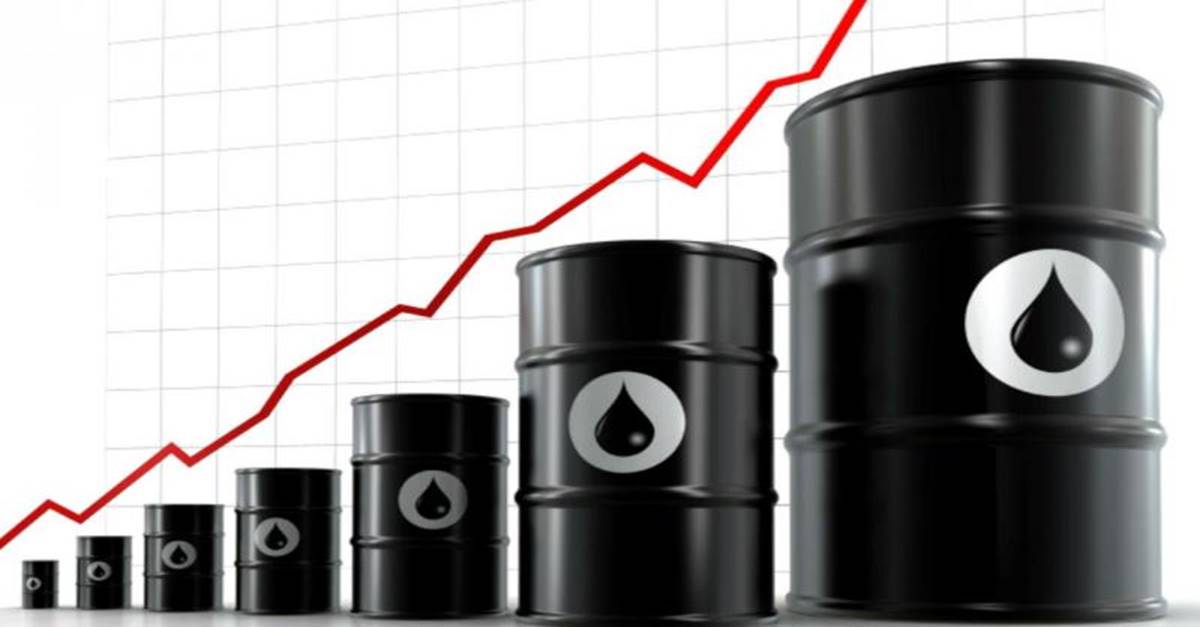

Amid The Pandemic Caused By The New Coronavirus, Oil Prices Jump Again With Signs Of Demand Recovery.
Oil prices are rising sharply this Monday as drilling activity in the U.S. drops and production cuts take place in other countries. Petrobras Starts Testing In The Forno Area, In The Pre-Salt Campos Basin
Also Read
- Petrobras Resumes Sale Process Of Gaspetro
- Petrobras Advances With The Sale Of Its Stake In Gas Transporter NTS
- Attempted Theft At Petrobras Pipeline Caused Fuel Leak And Major Environmental Damage In Paraná
Supported by a strengthening demand for fuel as countries around the world ease restrictions imposed to curb the spread of the coronavirus, oil prices jumped 7 percent on Friday (15) and reached the highest level since March.
-
Brazil’s ANP Opens 86 New Oil Blocks in the Equatorial Margin, Expanding the Amazon River Mouth Frontier

-
OPEC+ Boosts Oil Supply by 188,000 Barrels per Day in July 2026, Leading to Price Drop from $112 to $89 per Barrel in Under Two Months

-
TotalEnergies Signs 20-Year Deal to Purchase 2 Million Tons of LNG from Alaska, Boosting Project Viability
-
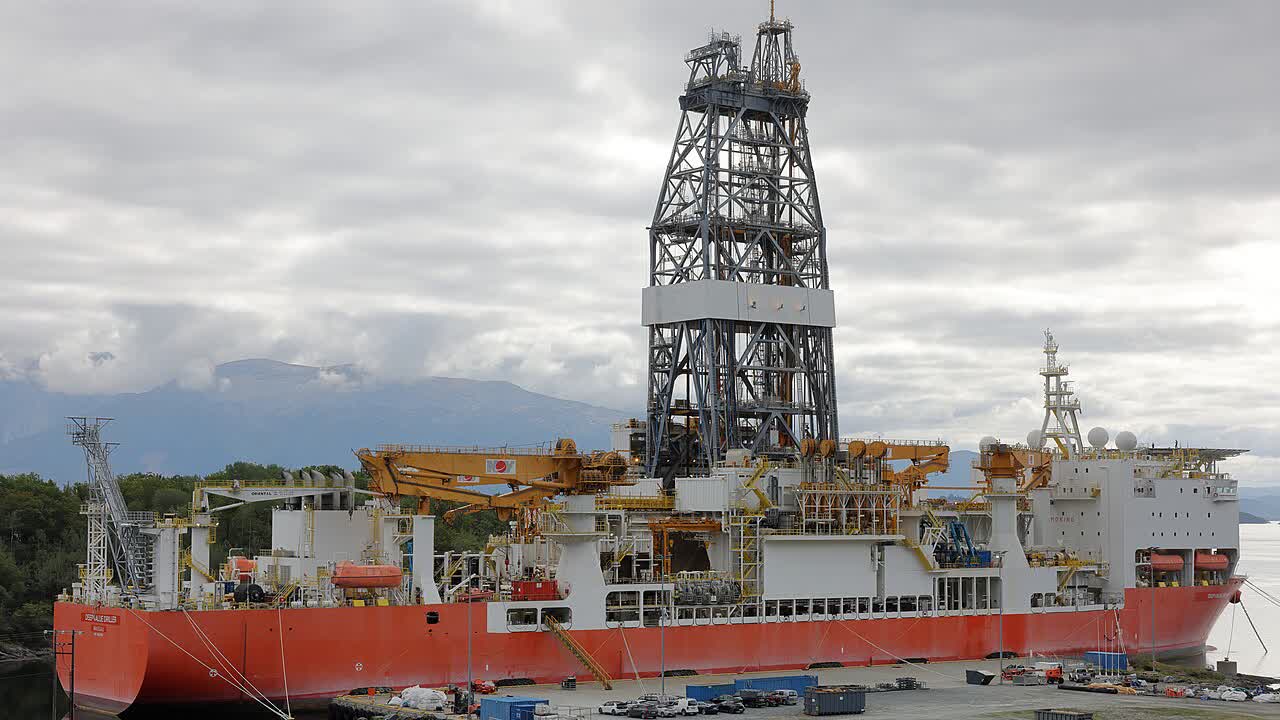
Turkey Deploys Çağrı Bey Drilling Ship to Explore New Oil Frontier Off Somalia’s Coast

U.S. oil (WTI) gained 19.7 percent last week, while Brent crude rose 5.2 percent during the same period, buoyed by bullish news.
As of 8:32 AM today (18), Brent crude was up $2.1, or 6.46 percent, at $34.6 a barrel. U.S. oil was up $2.8, or 9.51 percent, at $32.23 a barrel.
Both contracts recorded their third consecutive week of gains.
Production cuts are contributing to the market rebalancing. IEA estimates that in May, with the OPEC+ agreement and the effects in markets outside the group, oil supply will drop to 88 million barrels per day, down 12 million barrels per day compared to 2019, and the lowest production in nine years.
Anelise Lara, Petrobras’ Director of Gas and Refining, said last Friday (15) that fuel consumption improved in May.
According to her, diesel demand fell by as much as 50 percent in April, and is currently down 30 percent compared to the pre-crisis period; gasoline consumption dropped by up to 65 percent but is recovering to 40%-45%.