Portuguese
  Spanish



Embrapa’s Recognition at the 2025 World Food Prize Highlights Mariangela Hungria’s Journey and Brazil’s Role in Sustainable Agriculture and Global Food Security
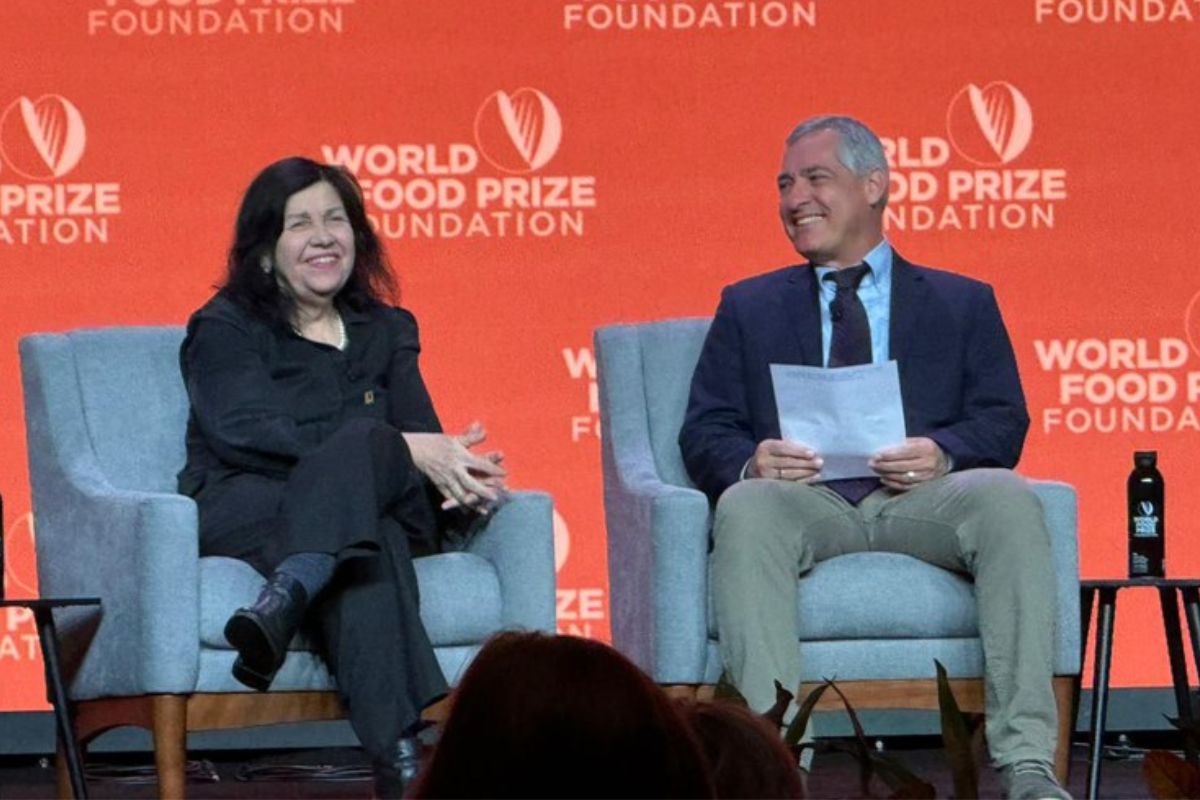
The 2025 World Food Prize represents a groundbreaking achievement for Brazilian science and for female representation in global research, according to a report published.
Scientist Mariangela Hungria from the Brazilian Agricultural Research Corporation (Embrapa) has been internationally recognized for her four decades of dedication to developing biological solutions for agriculture.
The announcement was made on October 23, during the International Norman E. Borlaug Dialogue, held in Des Moines, Iowa (United States), an event that brought together leaders from 41 countries.
-
California’s Almond Industry Consumes Over 4 Trillion Liters of Water Annually Amid Drought, Relies on Trucked-In Bees for Pollination

-
India’s Sugar Export Cuts and Ethanol Shift Amid El Niño Threat Could Impact Global Prices and Stocks

-
Quarantine Pest Threatening Palm Trees Puts Brazilian Authorities on Alert, Prompts Monitoring at University of Taubaté and Potential Control Measures Across São Paulo
-
Global Alert: Report Finds 159 Pesticides in Coffee Beans Sold in Europe, Posing Serious Risks to Millions of Farm Workers



This honor, considered the “Nobel of Agriculture,” celebrates not only the individual talent of the researcher but also the relevance of innovation and sustainability in strengthening global food production.
With this milestone, Brazil reaffirms its role as a protagonist in advancing low-carbon agriculture and promoting more balanced and efficient production systems.
Sustainable Innovation in Brazilian Agriculture Boosts Productivity and Reduces Chemical Fertilizer Use
The recognition of the 2025 World Food Prize awarded to Embrapa’s researcher is a direct result of years of research focused on agricultural sustainability.
Mariangela Hungria has dedicated more than 40 years to studying biological inputs that can replace or reduce the use of chemical fertilizers, contributing to a cleaner and more accessible production.
According to the Deputy Executive Secretary of the Ministry of Agriculture and Livestock (Mapa), Cleber Oliveira Soares, the scientist symbolizes the country’s commitment to science- and innovation-based agriculture.
He emphasized that the researcher’s work strengthens productivity in the tropics and consolidates the role of Brazilian science as an international reference.
This innovative approach generates direct benefits to the rural economy, promoting greater productive efficiency and reducing input costs, while also protecting the environment.
Sustainable Agriculture in Brazil and Global Food Security Highlighted at the 2025 World Food Prize
During the event in Iowa, the president of the World Food Prize Foundation, Mashal Husain, emphasized that Mariangela’s work aligns with the legacy of Norman Borlaug, the award’s founder and 1970 Nobel Peace Prize winner.
She stated that the Brazilian represents the spirit of recognition: transforming scientific knowledge into practical results that directly benefit farmers.
The 2025 World Food Prize reinforces the positive impact of the research conducted by Embrapa in promoting food security and in strengthening global sustainability policies.
This achievement also reflects the collective effort of Brazilian public institutions that invest in technology to unite productivity, social inclusion, and environmental preservation, essential elements for the balance of contemporary food systems.
International Recognition of Brazilian Female Scientific Leadership
Mariangela Hungria’s achievement is historic: she is the first Brazilian woman and only the tenth woman in the world to receive the 2025 World Food Prize, which has honored individuals since 1986 for their contributions to combating hunger and developing sustainable agricultural systems.
Her journey inspires new generations of scientists and reinforces the importance of diversity in agricultural research.
The event was attended by representatives from governments, universities, international organizations, and productive sectors, demonstrating the global scope of the recognition.
The researcher’s achievement symbolizes the advancement of female leadership in science, a movement increasingly relevant for the future of agricultural innovation.
With the 2025 World Food Prize, Brazil reaffirms its commitment to developing low-carbon technologies and recognizing professionals who dedicate their lives to building a more balanced and productive planet.