Portuguese
  Spanish





Projections Indicate New Pressure on Electricity Bills in 2026, Driven by Billion-Dollar Subsidy Increases, Climate Risks, and Possible Triggering of More Expensive Tariff Flags. Market Estimates Point to Adjustments Above Inflation and the Situation May Worsen Depending on Reservoir Behavior.
The electricity bill is expected to rise above inflation again in 2026, with estimates ranging from about 5% to 8%, and in a more adverse scenario, it could reach up to 12%, according to projections from consultancies and banks that consider climate, thermal use, and embedded subsidies in the tariff.
The most immediate trigger is the budget of the Energy Development Account, the CDE, which concentrates sector subsidy policies and is primarily funded by consumers through tariffs, pressuring the final cost paid in households and small businesses.
For 2026, Aneel has put a total CDE budget of around R$ 52.7 billion out for public consultation, with R$ 47.8 billion allocated for the CDE-Use portion, which is distributed across bills and serves as a reference for the provisional quotas collected starting in January.
-
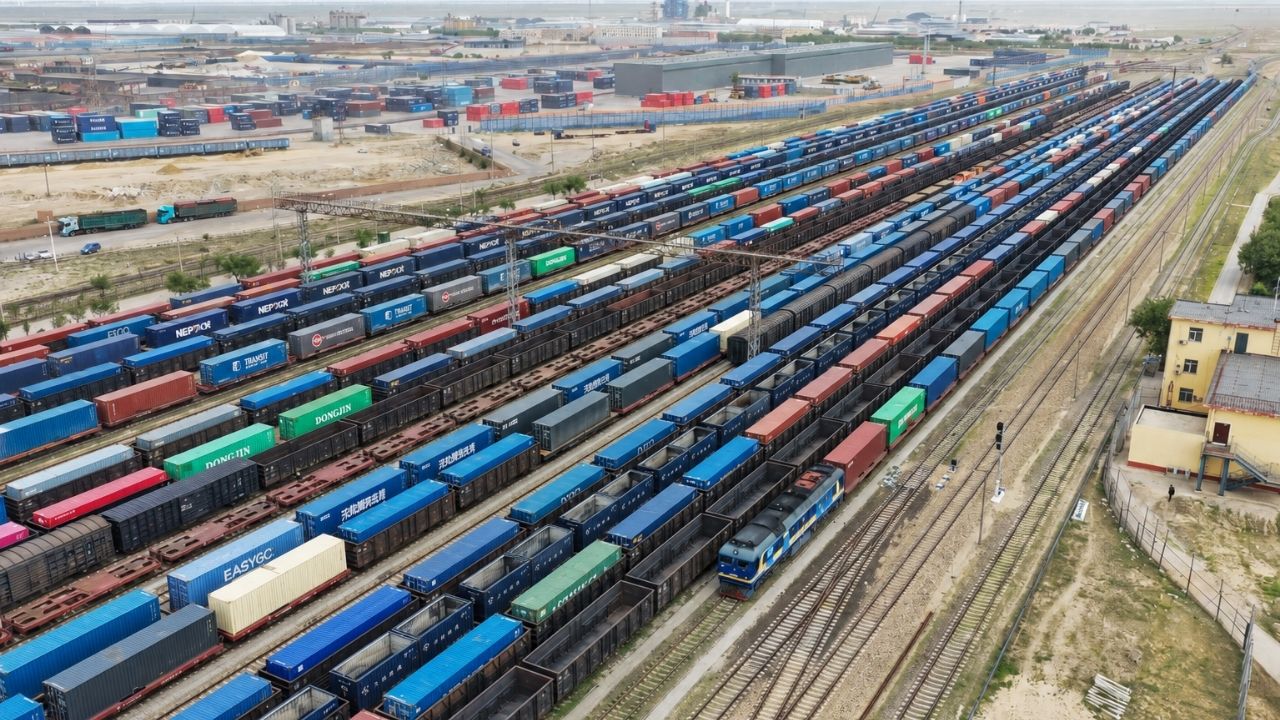
Chinese Rail Port in Inner Mongolia Surpasses 25,000 China-Europe Trains, Connecting 75 Routes Across Over 10 Countries, Showcasing Central Corridor as a Strong Land Alternative to Long Sea Routes

-
Brazilian State Government Establishes New Fire Brigade Battalion with $74 Million Investment

-
Brazil Imports 85% of Its Fertilizers, Races to Reduce Reliance on Russia and China
-
8-Year-Old Girl Launches Candy Business with Savings, Now Earning Up to $700 Monthly



Why the Tariff May Rise Above the IPCA
In addition to the increase in subsidies, the bill amount tends to react to generation costs during periods of water stress, when the system triggers more expensive sources and passes part of the impact on to consumers through annual adjustments and, when activated, through tariff flags.
According to the estimate from PSR cited in reports, the residential tariff would close 2026 with an increase of around 7.95%, about four points above a projected inflation rate of around 3.95% in the Focus report used as a reference for that period.
Even though the most recent Focus report has shown fluctuations in the median of the IPCA for 2026, the central alert remains: the combination of reservoirs at lower levels, dispatch of thermal plants, and increasing charges tends to push the bill higher.
According to PSR’s CEO, Luiz Augusto Barroso, “the factors that drive the electricity bill up are the cost of triggering thermal plants, the hydrological risk paid in contracts with hydropower plants, and the triggering of tariff flags,” which are exacerbated in unfavorable hydrological scenarios.
Tariff Flags and Climate Impact
The flags function as an extra charge when the system needs to resort to more expensive generation, such as thermal plants, and vary from green, with no addition, to yellow and red, with higher values, reflecting the marginal operating cost.
In the same diagnosis, the chief economist of Banco BMG, Flávio Serrano, attributes much of the uncertainty to climate and says that his projection considers a more moderate scenario, but that closing the year with a heavier flag could lead to an increase close to 12%.
Official data from the Electric Sector Monitoring Committee indicate that, at the end of January, storage levels were at 47% in the Southeast/Central-West, 59% in the South, 54% in the Northeast, and 59% in the North, reinforcing that the situation may improve with rain but may also deteriorate during the dry period.
The Ministry of Mines and Energy and ONS have reported that they are monitoring the evolution of the rainy season and the hydrological and storage conditions, paying attention to specific basins and the operation strategy to restore reservoirs and reduce risks to the National Interconnected System.
CDE Subsidies and Weight in the Tariff
The projected increase of the CDE relates to a series of policies, such as tariff discounts for low-income consumers, rural families, and specific uses, including irrigation and aquaculture, costs that are socialized in the tariff even for those who are not direct beneficiaries.
At the same time, sector analyses point out that the tariff has shown a trend of growing above inflation for long periods, with direct effects on household budgets and the cost structure of companies, especially in the industry and in energy-intensive services.
The inflation of 2025 helps to explain why the topic has returned to the center of the debate: the IPCA accumulated 4.26% for the year, and residential electricity rose 12.31%, being the subitem with the greatest individual impact on the index, according to official data from IBGE.
Excess Supply and Cuts in Renewable Energy
Although the increase in 2025 weighed heavily, a portion of the impact was mitigated by discounts associated with the Itaipu bonus, a mechanism approved by Aneel and disclosed as a credit that reaches the consumer according to defined consumption and eligibility criteria for the National Interconnected System.
Even with discounting instruments, structural pressure remains: the average cost of the megawatt-hour mentioned in reports reached R$ 786.76, a level identified as the highest since 2011, in line with the upward trend highlighted by sector agents.
Serrano summarizes the macroeconomic effect by stating that “the increase in electricity prices negatively impacts production costs and raises the cost of living for families,” highlighting how the electricity bill intersects with household budgets and business competitiveness.
The increase occurs in a scenario where the country is facing generation capacity above demand part of the time, which leads the operator to make cuts in generation to preserve system security, especially in wind and solar parks when there is a risk of overload.
A survey attributed to Volt Robotics, reported by specialized outlets, estimates that about one-fifth of the wind and solar generation potential in 2025 would have been “wasted” due to curtailment, with estimated financial losses around R$ 6.5 billion.
While the sector seeks ways to reconcile renewable expansion, transmission, and demand, expectations are growing that market measures, such as more rain and lower consumption, and regulatory measures, such as using concession revenues to reduce charges, could relieve part of the tariff pressure.
With a high subsidy budget, climate risks on the radar, and a system that sometimes cuts renewables due to excess and at times triggers thermal plants due to water shortages, which combination of decisions — regulatory and operational — can actually prevent the electricity bill from surprising consumers again in 2026?