Portuguese
  Spanish


Brazil, one of the largest food producers on the planet, depends on foreign sources for almost all the fertilizers used in its crops: about 85% of the fertilizers used in the country are imported. This dependency places the national agribusiness, the engine of Brazilian exports, at the mercy of foreign suppliers like Russia, Canada, China, and Morocco and the turbulences of the international market.
It is a paradox that alarms the sector. The country that feeds a large part of the world cannot produce at home the basic input that makes its agriculture work. Each sack of soybeans or corn harvested in Brazil carries, hidden, a piece of nitrogen, phosphorus, and potassium that came by ship from the other side of the planet.
A Dangerous Dependency
The numbers explain the magnitude of the risk. Fertilizers are divided into three major groups, known by the acronym NPK: nitrogen, phosphorus, and potassium. Brazil imports most of all three, with a particular emphasis on potassium, which it depends on from abroad in an even greater proportion, purchasing large volumes from a few countries.
-
8-Year-Old Girl Launches Candy Business with Savings, Now Earning Up to $700 Monthly

-
Brazilian Steel Giant Partners with USP to Develop 40% Stronger Rebar for World’s Tallest Residential Building in Brazil’s Senna Tower

-
Oil Prices Drop to $72 as 20 Million Barrels Pass Through Strait of Hormuz in 24 Hours, Easing Supply Fears but Regional Tensions Keep Market on Edge
-
Brazil’s Ministry of Justice Investigates CazéTV for Betting Ads During World Cup Broadcasts


This concentration is the weak point. When a major supplier faces a crisis, war, or sanction, the price of fertilizer skyrockets worldwide, and the Brazilian producer feels it in their pocket almost immediately. This was the case in recent geopolitical crises when the cost of inputs rose sharply and squeezed the farmer’s margin.
The risk is not just about price, but also about supply.
Why Brazil Doesn’t Produce
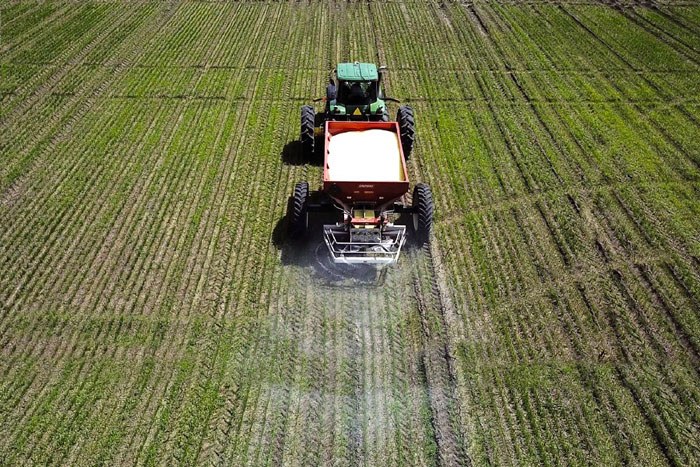
The explanation mixes geology and history. The country has limited reserves of some minerals used in fertilizer production, and projects to explore them have been hindered over the decades by a lack of investment, environmental issues, and competition from imported products, often cheaper. As a result, the national fertilizer industry has shrunk instead of growing.
The result is an agricultural giant with feet of clay. As grain production breaks records each harvest, the demand for fertilizer grows along with it, and the bill with foreign countries increases. Reducing this vulnerability has become a matter of national security for agribusiness.
The Impact on Food Prices
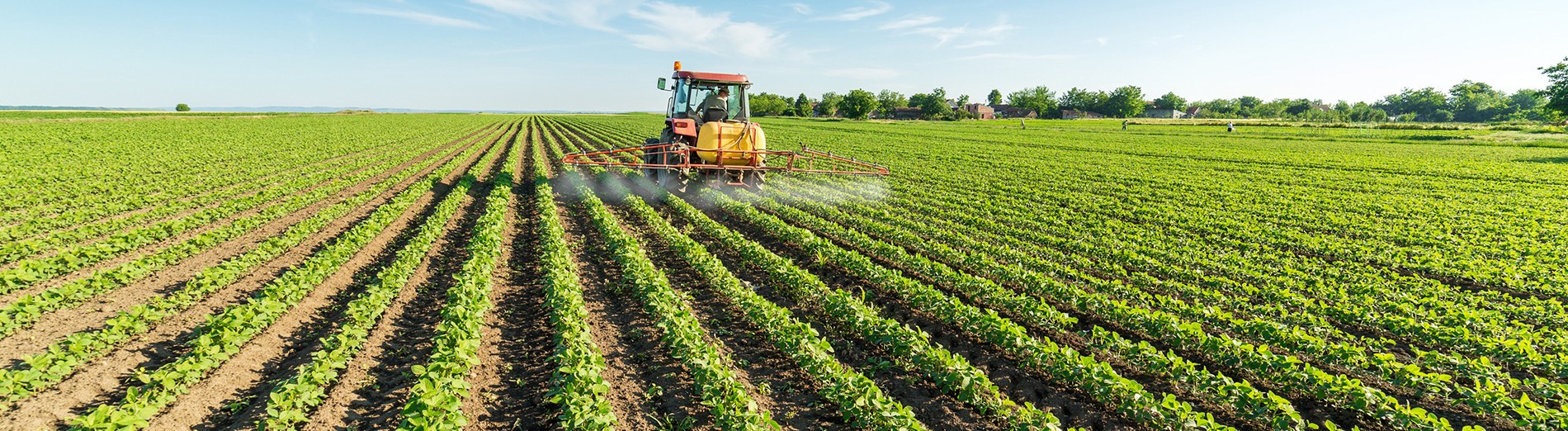
This dependency doesn’t stay just in the field: it reaches the Brazilian table. Fertilizer is one of the largest costs in agricultural production, and when it becomes more expensive, the cost of producing soybeans, corn, rice, and beans rises along with it. Sooner or later, part of this increase is passed on to the consumer in the form of more expensive food at the supermarket.
Therefore, the vulnerability of fertilizers is treated as a strategic issue, not just an agricultural one. A country that depends on foreign sources to fertilize its crops is ultimately exposed to seeing its own food security fluctuate at the mercy of distant wars and crises, over which it has no control.
The Race to Turn the Tide
Government and private initiatives are trying to reduce dependency through various means. One of them is utilizing national natural gas, a raw material for the production of nitrogen fertilizers, by reactivating and building factories that convert gas into urea and ammonia. The expansion of gas supply, including in the Northeast, creates opportunities for this type of industry.
Another front is the mining of potassium and phosphate on Brazilian soil, with projects aiming to unlock known reserves, some in the Amazon, amid environmental debates. There is also encouragement for alternative fertilizers and more efficient use of the input, so that producers need less to harvest the same amount.
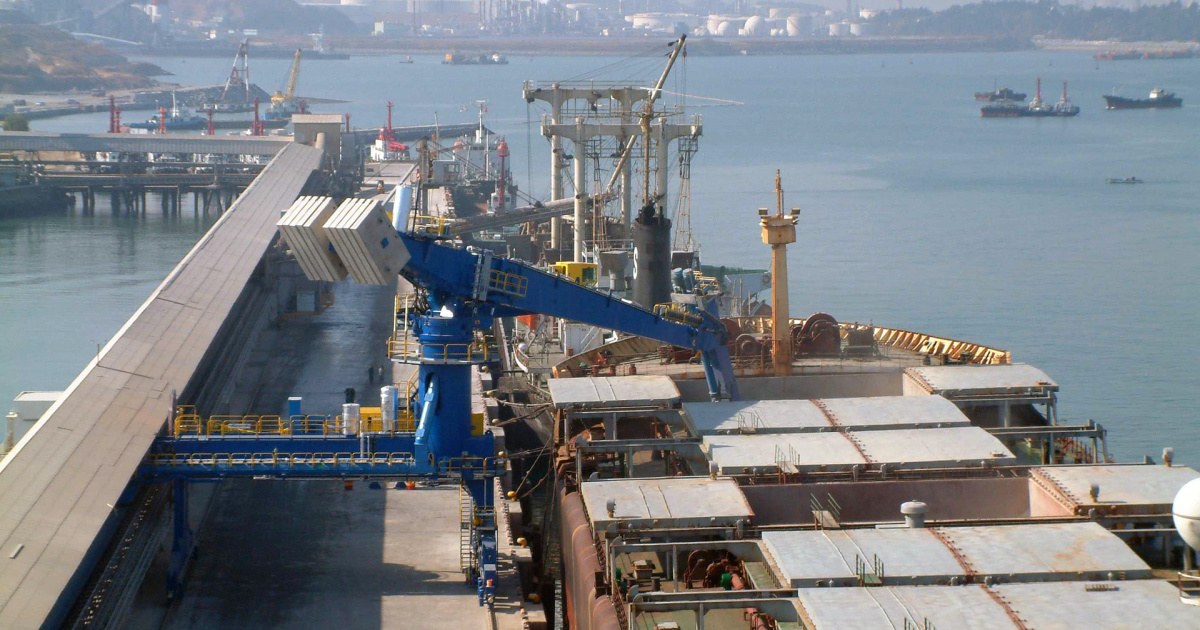
Reversing 85% importation, however, is a long-term task. Experts estimate that it will take years for the country to build a national chain capable of significantly reducing external dependency. Meanwhile, Brazilian agribusiness remains exposed to the fluctuations of a global market that largely escapes its control.