Portuguese
  Spanish


Focusing on the Debate About Energy Transition, COP30 Seeks to Hear from the World’s Largest Oil Companies to Understand Their Commitments to a Low-Carbon Economy
The preparation for the COP30 in Belém includes a movement that, although it may generate controversies, proves necessary: the invitation to CEOs of major oil companies for a dialogue about the energy transition. In fact, the proposal by the conference president, André Corrêa do Lago, is to establish bridges with the main actors in the oil and gas sector.
According to him, one cannot discuss an energy matrix shift without listening to the companies responsible for 80% of the global energy supply.
For this reason, the Brazilian diplomat has already extended formal invitations to the leaders of Petrobras, ExxonMobil, Aramco, and Adnoc, among other members of the OGCI (Oil and Gas Climate Initiative). This coalition, created to align private sector efforts with sustainability goals, includes giants such as Shell, BP, TotalEnergies, Repsol, Chevron, and Equinor.
-
OPEC+ Boosts Oil Supply by 188,000 Barrels per Day in July 2026, Leading to Price Drop from $112 to $89 per Barrel in Under Two Months

-
TotalEnergies Signs 20-Year Deal to Purchase 2 Million Tons of LNG from Alaska, Boosting Project Viability
-
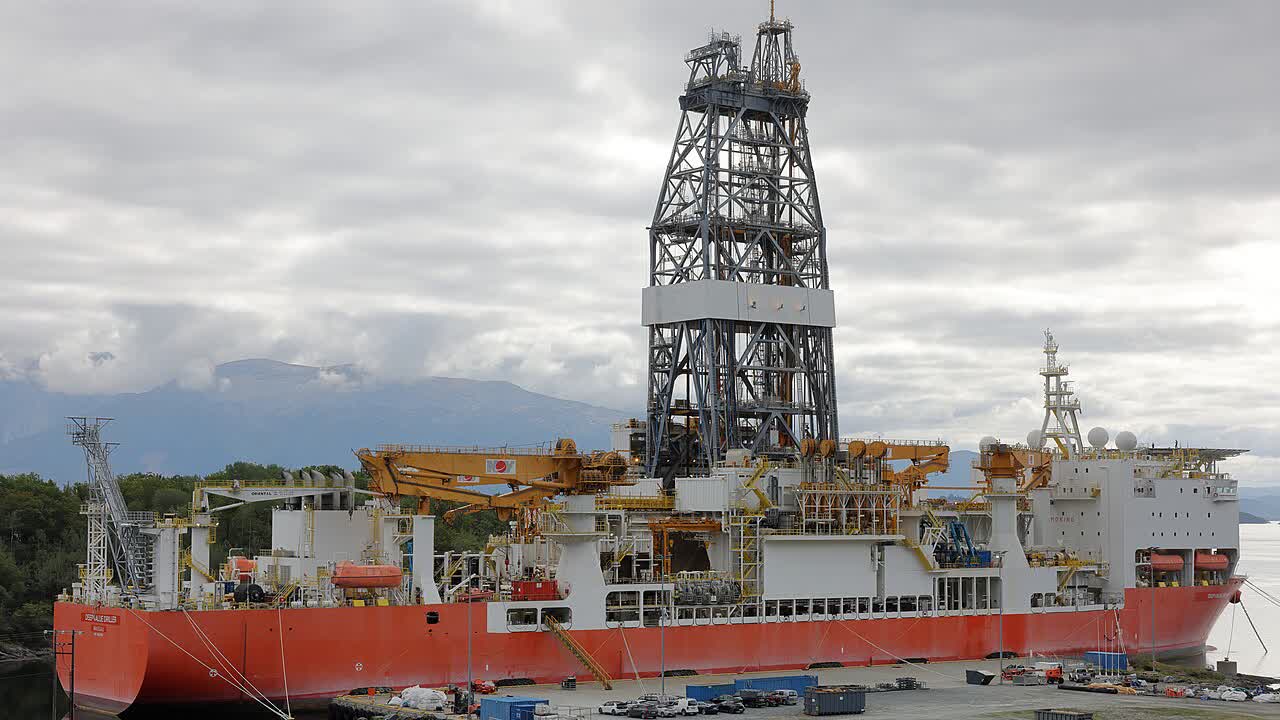
Turkey Deploys Çağrı Bey Drilling Ship to Explore New Oil Frontier Off Somalia’s Coast
-
Golden Pass LNG Ships First Liquefied Gas Cargo from the U.S., Completing $10 Billion QatarEnergy and ExxonMobil Investment


Thus, through the OGCI, Corrêa do Lago plans to gather these executives to learn about their decarbonization proposals and assess technologies such as CCS (carbon capture and storage).
Although the presence of these companies generates distrust in many sectors of civil society, the strategy is based on the idea that, without the commitment of oil companies, there will be no effective energy transition on a global scale. In this way, direct dialogue can turn into concrete action, as long as there are goals, verifiable commitments, and transparency.
Energy Transition Requires Global Cooperation
Historically, discussions on climate and energy tend to divide governments, companies, and environmentalists. Still, the current reality demands a joint effort, especially because the time to reduce emissions is running out.
Since the first Conference of the Parties in 1995 to the Paris Agreement in 2015, international commitments have been accumulating, but the volume of greenhouse gases is still growing.
In this scenario, the energy transition has become one of the most urgent issues of the 21st century. The concept, which involves replacing fossil fuels with renewable sources, gained strength following warnings from the IPCC and the UN about the impacts of climate change.
Consequently, actions such as decarbonizing industry, using solar and wind energy, and electrifying transportation have begun to be integrated into public policies and business plans.
However, the global energy structure still heavily relies on oil, coal, and natural gas. For this reason, transition initiatives cannot ignore the companies that dominate this sector.
After all, they hold the resources, technologies, and logistical capacity to implement large-scale changes.
Between Goals and Lobbies: The Delicate Balance
While the intention to listen to major oil companies is legitimate, it is crucial to recognize that the last COPs were marked by increased lobbying from fossil fuels.
For example, at the COP28, held in Dubai and chaired by Sultan Al Jaber — CEO of Adnoc —, there was intense pressure to soften the wording of the final document. Even amid challenges, the term “transition away” was included, signaling a move away from fossils.
However, this achievement did not withstand COP29 in Baku, where the expression disappeared from official texts.
Thus, the risk of regression is real. It is necessary that the invitation to oil companies is accompanied by clear criteria, transparency in negotiations, and social control.
Companies need to demonstrate, with verifiable data, how they intend to meet emission targets, what type of technology they are applying, and what the deadlines are. Only then can the dialogue be productive.
Furthermore, it is essential to ensure space for civil society, indigenous peoples, youth, and scientists in the process. After all, these groups have been advocating for the acceleration of the transition and have denounced attempts to weaken climate agreements.
Brazil Between Diplomacy and Environmental Leadership
Brazil, hosting the COP30 in Belém, in the heart of the Amazon, takes on a central diplomatic role. From the outset, the federal government announced the intention to transform the conference into a milestone in the climate struggle, giving prominence to the countries of the Global South and to nature-based solutions.
Therefore, the invitation to CEOs should be understood within a broad strategy, which seeks to mediate diverse interests and foster real commitments.
In this context, Ambassador Corrêa do Lago proposes the creation of structured pledges. In other words, these would be public commitments made by companies during the COP, with continuous monitoring.
Thus, it would be possible to ensure that the promises made in Belém result in concrete and measurable actions.
Moreover, the choice of Belém has symbolic and strategic value. Located in the Amazon region, the city represents the most relevant biome for global climate balance.
Thus, discussions about energy transition gain even greater dimension, as they connect energy, forest, and environmental justice.
Energy Transition is Also a Battle of Narratives
While the debate on energy transition progresses in the official discourse, there is also a contest over what it means in practice. For large companies, the emphasis often falls on technologies such as CCS, blue hydrogen, and synthetic fuels, which still depend on fossils at their origin.
For environmental movements, the transition should prioritize renewable, decentralized, and accessible energy, in addition to being linked to social justice and energy sovereignty.
Consequently, the COP30 could serve as a arena for these clashes. While facilitating dialogue with CEOs, the event should ensure the voice of historically marginalized voices in global energy decisions.
Only then will it be possible to prevent the transition from being captured by economic interests that wish to prolong the use of oil under another guise.
Therefore, Brazil’s role will be crucial. On the one hand, the country has experience in renewable energies, such as hydropower, solar, and ethanol.
On the other hand, it is also a producer and exporter of oil, which puts it in a strategic position to mediate interests. If it can conduct this debate with balance, it could establish itself as a global climate leader.
Debate on Energy Transition: The Future is Decided Now
In summary, the invitation to the CEOs of major oil companies for COP30 reflects an attempt to promote a frank and responsible debate about the energy transition. The initiative is bold, especially at a time when the world needs to act swiftly in the face of the climate collapse.
However, its success will depend on the ability to turn dialogue into real commitments, with clear goals, oversight, and accountability.
The energy transition, to be effective, cannot be just an abstract concept or a corporate discourse. It needs to be anchored in structural changes, emission reductions, investment in renewables, and social inclusion.
Therefore, maintaining focus, pressure, and vigilance will be essential.
By bringing together sector leaders, public authorities, and civil society representatives, COP30 could become a turning point. As long as everyone is committed to the common good, it will be possible to build a cleaner, fairer, and more sustainable future for future generations.